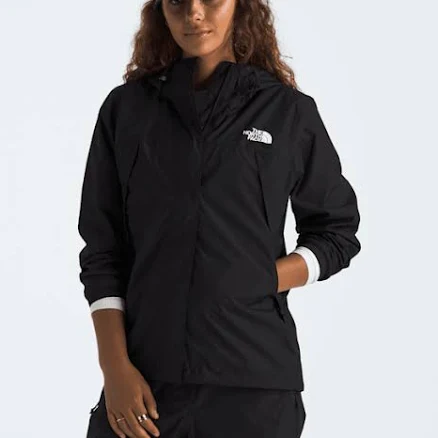
The North Face Rain Jacket
Medium-high risk. Water-repellent finish typical of rain jackets commonly uses PFAS.
Rain jackets depend on water-repellent treatments to function, and the industry standard has traditionally been PFAS-based formulas without clear labeling.
The better-graded swap
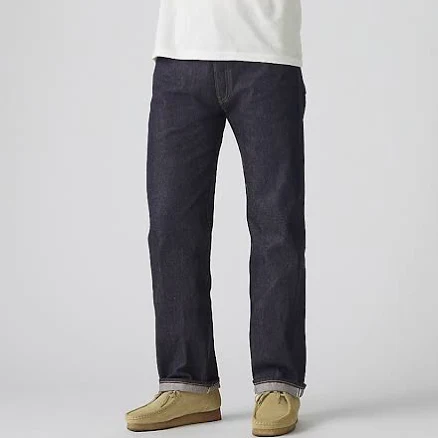
Levi's
Levi's 501 Jeans
80/100 safety
Same rubric that flunked this product. The swap earned Excellent.
Still want this one anyway? Check the price on Amazon. We’d swap it.
You may also be interested in
Top-graded picks in the categories readers replace first, every one scored on the same rubric.

- polypropylene filter housing, carbon/sediment cartridge
- We found no PFAS statement from the brand
- Bacterial growth in spent cartridges
3 hazards checked on this product, all on its full breakdown.

Aquasure
Premier Series 75 GPD Under Sink Reverse Osmosis Water Filtration System
- RO membrane, carbon filters, stainless steel housing
- We found no PFAS statement from the brand
- Bacterial and microbial growth in housing and filters
4 hazards checked on this product, all on its full breakdown.

Avocado
Vegan Mattress
- organic cotton, natural latex, coconut coir, recycled steel coils
- The brand calls it PFAS-free, which we have not verified
- Heavy metals
2 hazards checked on this product, all on its full breakdown.
What The North Face Rain Jacket is made of, ingredients and materials
The North Face rain jackets typically use synthetic fabrics (polyester or nylon shells) with a water-repellent coating (water-repellent coating) finish applied to the outer surface. The water-repellent coating finish, not the base fabric itself, is the primary safety concern and almost certainly contains PFAS compounds (covered separately in your PFAS grade). The base polyester or nylon carries standard textile hazards. Without The North Face specifying exact material composition on this model, the precise fiber content and any interior linings remain unclear from public sources.
What’s concerning
Category baseline
The starting point for this type of product, before anything specific to this product is counted.
Vague safety claims only
Uses vague language ("eco-friendly", "clean") without a specific PFAS statement.
Waterproof / stain-resistant treatment
Water-repellent coating treatments have historically used PFAS.
Azo dyes in synthetic fabrics
Polyester and nylon rain jackets commonly use azo dyes for color fastness. The North Face does not disclose whether restricted azo dyes (those producing carcinogenic amines) are used. VF Corporation owns The North Face and has some restricted substance lists, but public transparency on azo chemistry for this specific jacket is absent.
Antimony in polyester fibers
Polyester production sometimes uses antimony as a catalyst. The North Face does not declare antimony content. Direct skin exposure risk from antimony in finished polyester fabric is considered low by toxicologists, but repeated washing may slightly increase leaching over the garment's life.
Coating degradation and microparticle release
Water-repellent coating finishes on all rain jackets degrade with repeated washing and wear, eventually shedding microparticles into wash water and the environment. The North Face does not communicate re-treatment intervals or degradation timelines. Washing less frequently and air drying extends the life of the finish and reduces this risk.
What’s reassuring
Formaldehyde / VOCs
The North Face does not label formaldehyde use in rain jacket finishes on public materials. No specific recall or test data for formaldehyde in this product line is available, though such resins are common in textile finishing. If present, off-gassing risk is low after initial manufacturing and machine washing.
Source, ATSDR ↗Flame retardants
Rain jackets are not typically flame-retardant treated for consumer wear. No public record of flame retardants in The North Face rain jackets exists. This hazard class is a lower priority for this product category.
Source, EPA ↗How is this PFAS grade calculated?
The brand's record and disclosure
The North Face has not published a detailed PFAS elimination timeline or commitment comparable to brands like Patagonia or Arc'teryx, though the brand is owned by VF Corporation, which has made some PFAS reduction pledges for certain product lines. The brand does not routinely disclose water-repellent coating chemistry on product labels or websites. No major product safety recalls specifically naming formaldehyde, azo dyes, or antimony have been publicly recorded for The North Face rain jackets in recent years.
How it compares in its category
Most mainstream rain jackets (Columbia, Marmot, REI Co-op) rely on similar PFAS-based water-repellent coating finishes, making The North Face typical rather than exceptional for PFAS risk. Premium brands like Patagonia and Arc'teryx have moved toward PFAS-free water-repellent alternatives, positioning themselves as lower-risk options if PFAS exposure concerns you. The North Face sits in the middle of the market for both price and chemical transparency.
If you buy it
Minimize skin contact by wearing a base layer underneath; the water-repellent coating finish sits on the outer surface and direct prolonged contact with bare skin is not typical use but worth avoiding. Machine wash in cold water and air dry rather than heat dry, which can degrade the water-repellent coating and potentially release volatile compounds. Plan to replace or re-treat the jacket every 3-5 years as the water-repellent coating finish degrades and loses water resistance. Do not use fabric softener, which accelerates water-repellent coating breakdown.
What is not known about PFAS in this product?
- Basis
- Model estimate, 100% confidence, not a lab result
- Lab test
- None on record for this exact product
- Brand statement
- The North Face has made a specific claim
Formulations change between production runs, so check the current label. How we grade.
What are the PFAS-free alternatives to The North Face Rain Jacket?
- Azo dyes in indigo coloring
4 hazards checked on this product, all on its full breakdown.
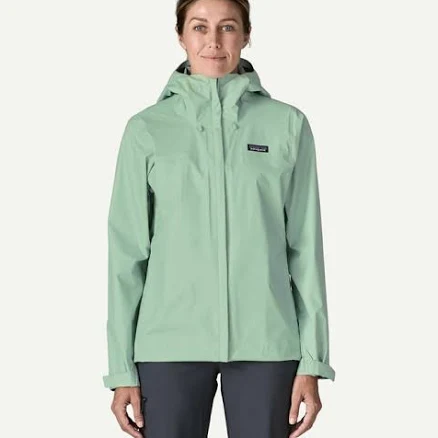
- The brand calls it PFAS-free, which we have not verified
- Formaldehyde / VOCs
5 hazards checked on this product, all on its full breakdown.
Find an alternative on Amazon
More clothing grades
How we score, every product runs through the same public 0-100 rubric based on materials, coatings, brand disclosure, lab findings, and recalls. See the full methodology → Spotted a mistake? Report an error.