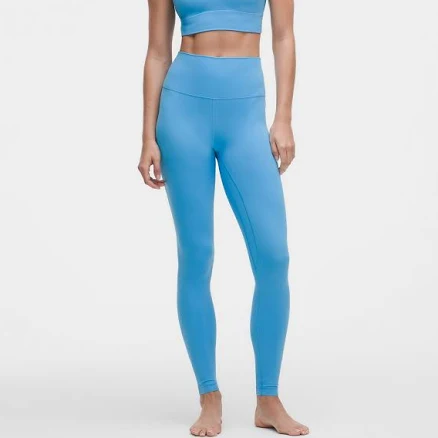
Lululemon Leggings
Medium-high risk. Performance fabric finishes commonly use PFAS; no brand confirmation.
Performance leggings use synthetic materials with water and sweat resistance, treatments historically based on PFAS chemistry without disclosure.
The better-graded swap

Levi's
Levi's 501 Jeans
80/100 safety
Same rubric that flunked this product. The swap earned Excellent.
Still want this one anyway? Check the price on Amazon. We’d swap it.
You may also be interested in
Top-graded picks in the categories readers replace first, every one scored on the same rubric.

- polypropylene filter housing, carbon/sediment cartridge
- We found no PFAS statement from the brand
- Bacterial growth in spent cartridges
3 hazards checked on this product, all on its full breakdown.

Aquasure
Premier Series 75 GPD Under Sink Reverse Osmosis Water Filtration System
- RO membrane, carbon filters, stainless steel housing
- We found no PFAS statement from the brand
- Bacterial and microbial growth in housing and filters
4 hazards checked on this product, all on its full breakdown.

Avocado
Vegan Mattress
- organic cotton, natural latex, coconut coir, recycled steel coils
- The brand calls it PFAS-free, which we have not verified
- Heavy metals
2 hazards checked on this product, all on its full breakdown.
What Lululemon Leggings is made of, ingredients and materials
Lululemon leggings typically blend synthetic fibers (nylon, spandex, polyester) with performance coatings to achieve moisture-wicking and stretch properties. The brand does not publicly disclose full material composition or confirm whether performance finishes use PFAS-based water repellents, which are standard in athletic wear. Synthetic blends are chemically stable when unworn, but coatings and dyes can degrade or transfer under heat, friction, or repeated washing.
What’s concerning
Category baseline
The starting point for this type of product, before anything specific to this product is counted.
No PFAS disclosure
No public statement from the brand about PFAS in this product.
Unknown / proprietary coating
A coating is recorded with no disclosed chemistry.
Formaldehyde / VOCs
Formaldehyde-based resins are used in some synthetic fabric finishes for shape retention and wrinkle resistance. Lululemon does not disclose use or levels; off-gassing risk is low in worn garments but cannot be ruled out without testing data.
Source, ATSDR ↗Antimony in polyester synthesis
Antimony trioxide is a common catalyst in polyester production. Lululemon leggings likely contain polyester blends, but antimony migration into skin contact or washwater is not typically a concern in finished, intact garments.
Microplastics
All synthetic leggings shed microplastics during washing, particularly polyester and nylon blends. Lululemon garments are not uniquely problematic, but washing frequency and machine type amplify this environmental and potential ingestion route.
Source, EPA ↗Coating degradation and leachate release
Performance finishes (water repellent, antimicrobial) degrade over time with washing and wear. Breakdown products, if PFAS-based, may leach into washwater or contact skin; Lululemon has not published durability or leaching studies.
What’s reassuring
Azo dyes in synthetic textiles
No recalls or documented azo dye violations specific to Lululemon leggings. Standard modern dyeing practices in athletic wear are regulated, but independent testing of this brand is not publicly available.
How is this PFAS grade calculated?
The brand's record and disclosure
Lululemon has not published a detailed PFAS policy or confirmed PFAS-free sourcing. The brand maintains material care labels but does not provide third-party testing results for restricted substances in finished garments. No major recalls or formal complaints specific to chemical safety have surfaced in public records, though the brand's premium positioning and lack of transparency contrast with competitors who explicitly certify PFAS-free or low-chemical status.
How it compares in its category
Most high-performance athletic leggings use PFAS-based water-repellent coating finishes; Lululemon is not unique in this practice. Competitors like Patagonia and some Decathlon lines explicitly label PFAS-free or low-PFAS alternatives, making them more transparent. Standard cotton or non-performance synthetic blends carry lower chemical risk but sacrificed the moisture and durability features Lululemon customers expect.
If you buy it
Wash in cold water with mild detergent to minimize coating degradation and reduce any potential leaching of finish chemicals. Avoid high heat (machine drying, direct sunlight) to protect the synthetic blend and preserve water-repellent coatings. Replace leggings when visible wear, pilling, or odor persistence occurs, typically 1-3 years with regular use. If PFAS exposure is a health concern, prioritize brands with explicit PFAS-free certification before purchase.
What is not known about PFAS in this product?
- Basis
- Model estimate, 100% confidence, not a lab result
- Lab test
- None on record for this exact product
- Brand statement
- Lululemon has made a specific claim
Formulations change between production runs, so check the current label. How we grade.
What are the PFAS-free alternatives to Lululemon Leggings?
- Azo dyes in indigo coloring
4 hazards checked on this product, all on its full breakdown.
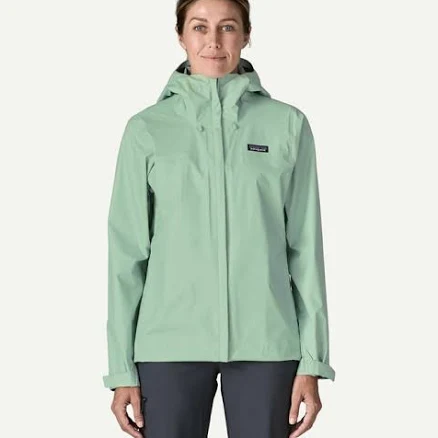
- The brand calls it PFAS-free, which we have not verified
- Formaldehyde / VOCs
5 hazards checked on this product, all on its full breakdown.
Find an alternative on AmazonMore clothing grades
How we score, every product runs through the same public 0-100 rubric based on materials, coatings, brand disclosure, lab findings, and recalls. See the full methodology → Spotted a mistake? Report an error.