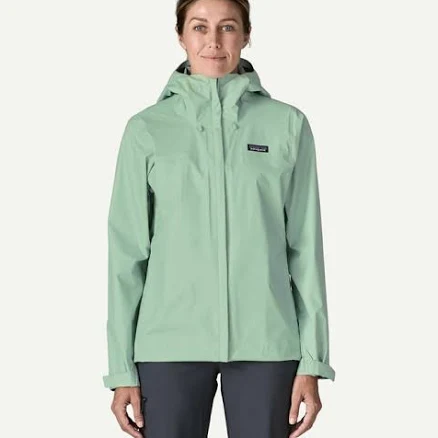
Patagonia Rain Jacket
A water-repellent or grease-resistant treatment of unstated chemistry, with a brand PFAS statement we have not verified.
Patagonia says 100% of its new products from Spring 2025 are made without intentionally added PFAS. We record that as an unverified brand claim. Its record describes a water-repellent or grease-resistant treatment of unstated chemistry, which is still counted.
Brand says: “Patagonia says 100% of its new products from Spring 2025 are made without intentionally added PFAS.”
The better-graded swap
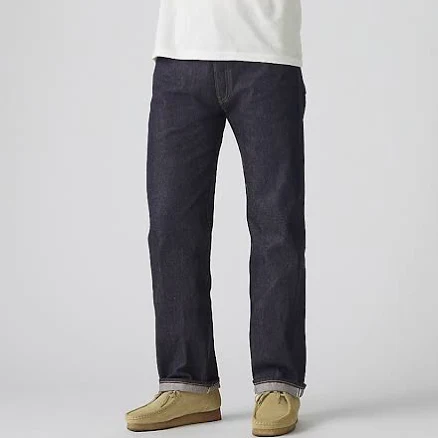
Levi's
Levi's 501 Jeans
80/100 safety
Same rubric that flunked this product. The swap earned Excellent.
Still want this one anyway? Check the price on Amazon. We’d swap it.
Brand disclosure
Brand claims PFAS-free
Lab data
No public lab test
You may also be interested in
Top-graded picks in the categories readers replace first, every one scored on the same rubric.

- polypropylene filter housing, carbon/sediment cartridge
- We found no PFAS statement from the brand
- Bacterial growth in spent cartridges
3 hazards checked on this product, all on its full breakdown.

Aquasure
Premier Series 75 GPD Under Sink Reverse Osmosis Water Filtration System
- RO membrane, carbon filters, stainless steel housing
- We found no PFAS statement from the brand
- Bacterial and microbial growth in housing and filters
4 hazards checked on this product, all on its full breakdown.

Avocado
Vegan Mattress
- organic cotton, natural latex, coconut coir, recycled steel coils
- The brand calls it PFAS-free, which we have not verified
- Heavy metals
2 hazards checked on this product, all on its full breakdown.
What Patagonia Rain Jacket is made of, ingredients and materials
Patagonia does not publicly disclose the specific fiber blend or water-repellent coating (water-repellent coating) treatment chemistry for this rain jacket model. Rain jackets typically use synthetic fibers (polyester, nylon) with a water-repellent finish applied to the face or membrane. Without material confirmation, you cannot assess whether the jacket contains polyester-specific risks such as antimony catalysts or azo dyes, or whether its water-repellent coating uses alternatives to traditional PFAS compounds.
What’s concerning
Category baseline
The starting point for this type of product, before anything specific to this product is counted.
Waterproof / stain-resistant treatment
Water-repellent coating treatments have historically used PFAS.
Formaldehyde / VOCs
Rain jackets often use formaldehyde-based resins in dyes, fabric stiffeners, or wrinkle-resistant treatments. Patagonia's disclosure does not confirm absence of these agents; off-gassing risk is typically low in finished, well-ventilated garments but higher in sealed storage.
Source, ATSDR ↗Azo dyes
Synthetic polyester or nylon rain jackets may be dyed with azo compounds, which can release aromatic amines under sweat or moisture. Patagonia does not explicitly certify azo-free production for this product category in public communications.
Antimony in polyester
If the jacket is primarily polyester (likely but unconfirmed), antimony trioxide may be used as a catalyst in fiber production. Migration risk is very low in intact fabric but increases with wear, washing, or degradation of coatings.
water-repellent coating degradation and leachable breakdown products
All synthetic water-repellent coating finishes degrade with washing and UV exposure, releasing breakdown products into wash water. Patagonia's unspecified replacement chemistry means you cannot predict what those byproducts are or their environmental or dermal fate.
Fragrance allergens (if present in dyes or finishes)
Some textile treatments include fragrance to mask chemical odors. Patagonia does not routinely declare fragrance in apparel; individuals with scent sensitivities should contact the brand directly or request an unscented variant.
What’s reassuring
Brand-stated PFAS-free
The brand states this product is PFAS-free. We have not verified the claim.
How is this PFAS grade calculated?
The brand's record and disclosure
Patagonia has publicly committed to phasing out PFAS in apparel and claims PFAS-free treatments, but the company does not routinely publish the specific chemistry of replacement water-repellent coating agents used in individual products. The brand scores well on environmental commitments and transparency relative to fast-fashion peers, but chemical-level disclosure for rain gear remains limited. No established recalls or safety violations specific to Patagonia rain jackets have been documented in public records.
How it compares in its category
Premium outdoor brands (Arc'teryx, The North Face, REI Co-op) typically offer similar transparency gaps regarding water-repellent coating chemistry. Patagonia's commitment to phase out PFAS is stronger than many competitors, but most high-performance rain jackets still rely on synthetic fibers and proprietary repellent treatments that are not fully disclosed. Budget and mid-range alternatives rarely provide better chemical transparency.
If you buy it
Wash separately in cool water with minimal detergent to reduce exposure to any residual finish chemicals and to avoid pilling or coating degradation. Avoid high heat; air dry or low-heat tumble only, as heat can accelerate breakdown of coatings and release volatile organics. Replace the jacket when water no longer beads on the surface, which signals water-repellent coating failure. Request product-specific material and finish documentation from Patagonia if you have sensitivities; the brand's customer service is generally responsive.
What is not known about PFAS in this product?
- Basis
- Model estimate, 100% confidence, not a lab result
- Lab test
- None on record for this exact product
- Brand statement
- Patagonia has made a specific claim
Formulations change between production runs, so check the current label. How we grade.
What are the PFAS-free alternatives to Patagonia Rain Jacket?
- Azo dyes in indigo coloring
4 hazards checked on this product, all on its full breakdown.
More clothing grades
How we score, every product runs through the same public 0-100 rubric based on materials, coatings, brand disclosure, lab findings, and recalls. See the full methodology → Spotted a mistake? Report an error.