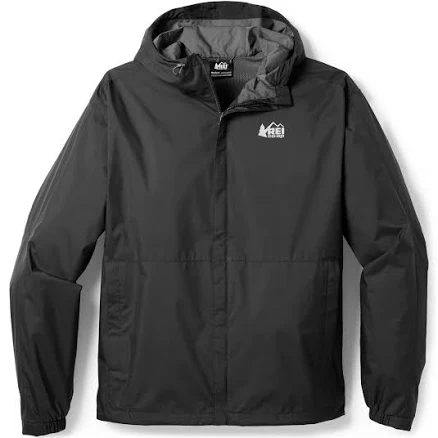
REI Co-op Rain Jacket
Medium-high risk. Water-repellent finish likely contains PFAS; brand transparency absent.
Waterproof outdoor jackets require water-repellent coating coatings, a category where PFAS chemistries have been the standard without public statements.
The better-graded swap

Levi's
Levi's 501 Jeans
80/100 safety
Same rubric that flunked this product. The swap earned Excellent.
Still want this one anyway? Check the price on Amazon. We’d swap it.
You may also be interested in
Top-graded picks in the categories readers replace first, every one scored on the same rubric.

- polypropylene filter housing, carbon/sediment cartridge
- We found no PFAS statement from the brand
- Bacterial growth in spent cartridges
3 hazards checked on this product, all on its full breakdown.

Aquasure
Premier Series 75 GPD Under Sink Reverse Osmosis Water Filtration System
- RO membrane, carbon filters, stainless steel housing
- We found no PFAS statement from the brand
- Bacterial and microbial growth in housing and filters
4 hazards checked on this product, all on its full breakdown.

Avocado
Vegan Mattress
- organic cotton, natural latex, coconut coir, recycled steel coils
- The brand calls it PFAS-free, which we have not verified
- Heavy metals
2 hazards checked on this product, all on its full breakdown.
What REI Co-op Rain Jacket is made of, ingredients and materials
REI Co-op rain jackets typically use polyester or nylon shells with polyurethane (PU) or polyester laminate backing for waterproofing. The water-repellent finish is almost certainly a water-repellent coating (water-repellent coating) coating, which in this product category commonly relies on long-chain PFAS (perfluorinated compounds) to achieve the beading effect that keeps rain out. The exact fluorochemical family is not disclosed in available REI documentation, making specific risk assessment difficult.
What’s concerning
Category baseline
The starting point for this type of product, before anything specific to this product is counted.
Vague safety claims only
Uses vague language ("eco-friendly", "clean") without a specific PFAS statement.
Waterproof / stain-resistant treatment
Water-repellent coating treatments have historically used PFAS.
PFAS
Water-repellent rain jackets almost universally use fluorinated water-repellent coating finishes unless explicitly marketed otherwise. REI Co-op provides no disclosure of fluorochemical identity or PFAS alternatives, indicating standard long-chain PFAS chemistry is probable.
Source, ATSDR ↗Azo dyes in polyester dyeing
Polyester rain jackets typically use disperse dyes, which can include azo dyes. REI Co-op does not publish chemical dye restrictions or certifications (e.g., OEKO-TEX, bluesign). Risk depends on undisclosed supplier practices.
Formaldehyde / VOCs
Polyester and nylon garments may use formaldehyde-based resins for wrinkle resistance or fabric finishing. REI Co-op does not specify formaldehyde-free finishes in available product documentation.
Source, ATSDR ↗Coating degradation and microparticle shedding
All water-repellent coating-coated jackets shed fluorinated microparticles during laundering and wear. REI Co-op jackets are not exempt; washing frequency directly increases environmental and household exposure over the garment's lifetime.
What’s reassuring
Antimony in polyester material
Polyester production can involve antimony as a catalyst. No recalls or specific hazard reports exist for REI Co-op rain jackets; this is a category-wide low-level concern not specific to this brand.
How is this PFAS grade calculated?
The brand's record and disclosure
REI Co-op has not publicly committed to PFAS-free water-repellent coating finishes or transparent chemical disclosure for apparel. The company does not list specific fluorochemical restrictions in its sustainability or sourcing standards that are publicly available. REI has made some sustainability statements around packaging and supply chain audits, but these do not address PFAS alternatives or phase-out commitments typical of premium outdoor brands like Patagonia or Arc'teryx.
How it compares in its category
Most mainstream outdoor rain jackets rely on PFAS-based water-repellent coating finishes; REI Co-op jackets are typical in this regard. Premium competitors increasingly offer alternatives using non-fluorinated water repellents, though these may have shorter durability. REI Co-op sits in the mid-market segment where PFAS-based finishes remain the industry standard for cost and performance balance.
If you buy it
Wash separately from other clothing to minimize PFAS shedding into general laundry and waterways. Avoid heat-drying; air-dry only, as heat can accelerate coating degradation and shedding. Do not machine-wash excessively; hand-wash or gentle cycle extends water-repellent coating life and reduces chemical leaching. Replace when water no longer beads noticeably, typically 2-5 years depending on use; do not attempt re-treatment with aftermarket water-repellent coating products unless confirmed PFAS-free.
What is not known about PFAS in this product?
- Basis
- Model estimate, 100% confidence, not a lab result
- Lab test
- None on record for this exact product
- Brand statement
- REI Co-op has made a specific claim
Formulations change between production runs, so check the current label. How we grade.
What are the PFAS-free alternatives to REI Co-op Rain Jacket?
- Azo dyes in indigo coloring
4 hazards checked on this product, all on its full breakdown.
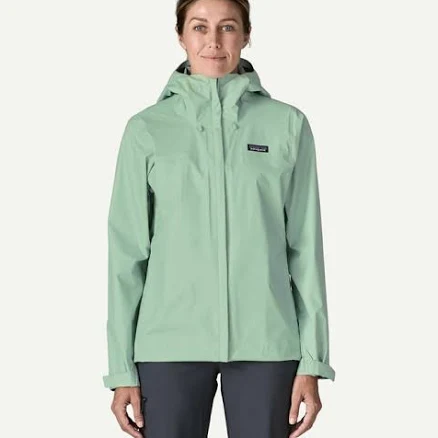
- The brand calls it PFAS-free, which we have not verified
- Formaldehyde / VOCs
5 hazards checked on this product, all on its full breakdown.
Find an alternative on Amazon
More clothing grades
How we score, every product runs through the same public 0-100 rubric based on materials, coatings, brand disclosure, lab findings, and recalls. See the full methodology → Spotted a mistake? Report an error.