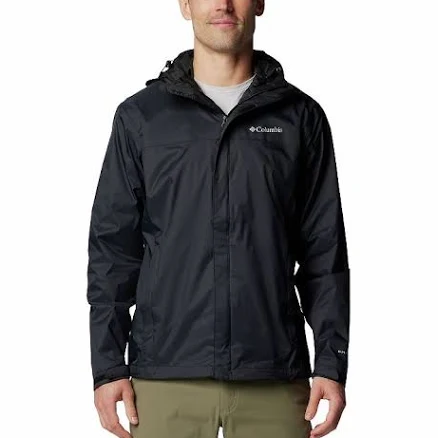
Columbia Waterproof Jacket
Medium-high risk. Waterproof coating likely contains PFAS; no brand transparency.
Waterproof jackets require water-repellent coating finishes, which the industry has long achieved with PFAS-based chemistries without public disclosure.
The better-graded swap

Levi's
Levi's 501 Jeans
80/100 safety
Same rubric that flunked this product. The swap earned Excellent.
Still want this one anyway? Check the price on Amazon. We’d swap it.
You may also be interested in
Top-graded picks in the categories readers replace first, every one scored on the same rubric.

- polypropylene filter housing, carbon/sediment cartridge
- We found no PFAS statement from the brand
- Bacterial growth in spent cartridges
3 hazards checked on this product, all on its full breakdown.

Aquasure
Premier Series 75 GPD Under Sink Reverse Osmosis Water Filtration System
- RO membrane, carbon filters, stainless steel housing
- We found no PFAS statement from the brand
- Bacterial and microbial growth in housing and filters
4 hazards checked on this product, all on its full breakdown.

Avocado
Vegan Mattress
- organic cotton, natural latex, coconut coir, recycled steel coils
- The brand calls it PFAS-free, which we have not verified
- Heavy metals
2 hazards checked on this product, all on its full breakdown.
What Columbia Waterproof Jacket is made of, ingredients and materials
Columbia waterproof jackets typically use polyester shells with a water-repellent coating (water-repellent coating) finish, often a polyurethane or PU membrane laminate for sealing. The water-repellent coating topcoat historically relied on fluorocarbon chains (PFAS) for water and oil repellency; newer Columbia lines may use fluorine-free alternatives, but product-level transparency is limited. The polyester base itself is generally stable, but the coating chemistry determines leaching and degradation risk.
What’s concerning
Category baseline
The starting point for this type of product, before anything specific to this product is counted.
Vague safety claims only
Uses vague language ("eco-friendly", "clean") without a specific PFAS statement.
Waterproof / stain-resistant treatment
Water-repellent coating treatments have historically used PFAS.
PFAS
Standard water-repellent coating finishes on Columbia jackets historically contain fluorocarbon-based PFAS unless explicitly reformulated. Coating contact with skin and potential washwater release are the exposure pathways. (PFAS graded separately as 25/100.)
Source, ATSDR ↗Formaldehyde / VOCs
Polyester fabric finishing may include formaldehyde-based resins for wrinkle resistance or dye fixation. Columbia does not list formaldehyde-free claims. Levels in finished apparel are typically low, but sensitive individuals or prolonged wet contact could pose minimal risk.
Source, ATSDR ↗Azo dyes in colored polyester
Polyester dyes can include azo compounds, some of which are restricted in EU but not US apparel. No specific recall or report for Columbia jackets, but standard risk in dark-colored synthetics. Skin contact risk is minimal under normal wear.
Coating degradation and microfiber shedding
Polyurethane membrane laminates degrade with UV exposure and repeated washing, shedding microfibers into washwater. Columbia jackets show typical coating durability (2-3 years with care); accelerated degradation not documented, but this is inherent to the material class.
What’s reassuring
Antimony in polyester
Antimony is used as a catalyst in polyester manufacturing. Residual antimony in finished fabric is typically <100 ppm and poses no established risk in apparel. No reports of excess antimony in Columbia polyester products.
How is this PFAS grade calculated?
The brand's record and disclosure
Columbia Sportswear has not published detailed PFAS phase-out commitments or ingredient transparency comparable to outdoor peers (Arc'teryx, Patagonia). The brand has faced no major recalls for coating toxicity. Columbia does not typically disclose water-repellent coating chemical types on product labels or websites, making it difficult to confirm whether a specific jacket uses PFAS-free formulations. This opacity is the primary concern.
How it compares in its category
Columbia jackets are mid-market for price and performance. Many competitors (The North Face, REI Co-op, Patagonia) now explicitly label PFAS-free water-repellent coating or PFC-free options at similar price points. High-end brands have largely committed to fluorine-free coatings; budget brands often still use legacy PFAS. Columbia sits in a grey zone, better durability than budget, less transparency than premium.
If you buy it
Wash separately in cool water to minimize coating leaching into waterways; avoid fabric softeners and high heat drying, which degrade the membrane. water-repellent coating coatings naturally lose water repellency after 20-30 washes; re-treat with fluorine-free products (like Nikwax) if available, or accept reduced performance. Store dry in a ventilated space to prevent mildew on the membrane. Replace if seams delaminate or membrane flakes visibly.
What is not known about PFAS in this product?
- Basis
- Model estimate, 100% confidence, not a lab result
- Lab test
- None on record for this exact product
- Brand statement
- Columbia has made a specific claim
Formulations change between production runs, so check the current label. How we grade.
What are the PFAS-free alternatives to Columbia Waterproof Jacket?
- Azo dyes in indigo coloring
4 hazards checked on this product, all on its full breakdown.
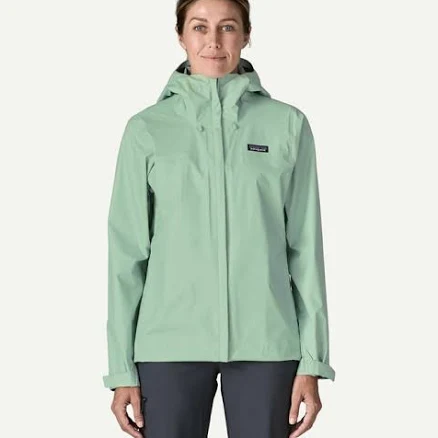
- The brand calls it PFAS-free, which we have not verified
- Formaldehyde / VOCs
5 hazards checked on this product, all on its full breakdown.
Find an alternative on Amazon
More clothing grades
How we score, every product runs through the same public 0-100 rubric based on materials, coatings, brand disclosure, lab findings, and recalls. See the full methodology → Spotted a mistake? Report an error.