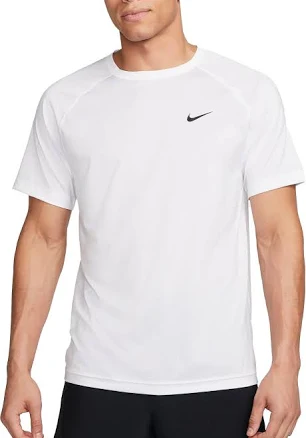
Nike Dri-FIT Apparel
Medium-high risk. Dri-FIT moisture management typically involves PFAS treatments.
Moisture-wicking athletic apparel relies on specialized treatments to manage sweat and dry quickly, often achieved through PFAS-based surface coatings.
The better-graded swap
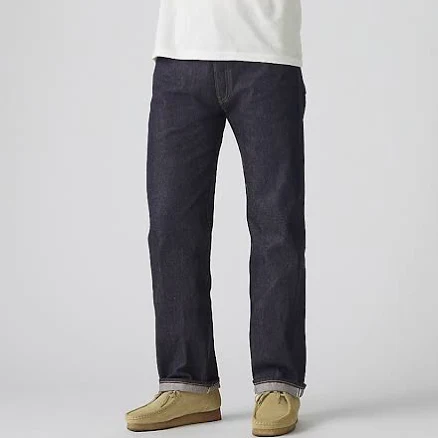
Levi's
Levi's 501 Jeans
80/100 safety
Same rubric that flunked this product. The swap earned Excellent.
Still want this one anyway? Check the price on Amazon. We’d swap it.
You may also be interested in
Top-graded picks in the categories readers replace first, every one scored on the same rubric.

- polypropylene filter housing, carbon/sediment cartridge
- We found no PFAS statement from the brand
- Bacterial growth in spent cartridges
3 hazards checked on this product, all on its full breakdown.

Aquasure
Premier Series 75 GPD Under Sink Reverse Osmosis Water Filtration System
- RO membrane, carbon filters, stainless steel housing
- We found no PFAS statement from the brand
- Bacterial and microbial growth in housing and filters
4 hazards checked on this product, all on its full breakdown.

Avocado
Vegan Mattress
- organic cotton, natural latex, coconut coir, recycled steel coils
- The brand calls it PFAS-free, which we have not verified
- Heavy metals
2 hazards checked on this product, all on its full breakdown.
What Nike Dri-FIT Apparel is made of, ingredients and materials
Nike Dri-FIT is typically a polyester blend (often polyester-nylon mix) engineered with synthetic hydrophobic coatings to repel moisture and enhance evaporation. The moisture-wicking performance that makes Dri-FIT popular almost certainly involves fluorinated compounds (PFAS) applied as a water-repellent coating (water-repellent coating) finish, which is industry standard for technical apparel. Polyester itself is stable during wear, but the chemical finish is the primary safety vector.
What’s concerning
Category baseline
The starting point for this type of product, before anything specific to this product is counted.
Vague safety claims only
Uses vague language ("eco-friendly", "clean") without a specific PFAS statement.
Unknown / proprietary coating
A coating is recorded with no disclosed chemistry.
Formaldehyde / VOCs
Wrinkle-resistance or shrink-control treatments may use formaldehyde releasers in some Dri-FIT batches, though Nike products certified OEKO-TEX are restricted on this. No specific Dri-FIT contamination events are on record.
Source, ATSDR ↗Microfiber shedding during laundering
Synthetic polyester blends, including Dri-FIT, shed microfibers into wastewater with each wash. This is a material-class issue not specific to Nike, but accumulates with frequent use and washing.
Antimony in polyester
Antimony trioxide is a common catalyst in polyester synthesis and residual levels may remain in finished fabric. Dermal migration under normal conditions is minimal, but total body burden from multiple synthetic garments is unclear.
Degradation of water-repellent coating and release of breakdown products
As PFAS-based water-repellent coating finishes age and break down during use and laundering, smaller PFAS fragments can leach into skin contact and wastewater. Durability of the coating is finite (typically 20-30 washes before noticeable loss).
What’s reassuring
Heavy metals
Nike apparel is not known to have recall or enforcement action for azo dye toxicity. Standard synthetic dyes in athletic wear do not routinely leach heavy metals under normal wear conditions.
Source, FDA ↗How is this PFAS grade calculated?
The brand's record and disclosure
Nike has not publicly committed to PFAS-free manufacturing as of recent records, and does not routinely disclose which PFAS chemicals are used in Dri-FIT finishes. The brand has faced scrutiny over water pollution from manufacturing facilities, but specific Dri-FIT product testing results are not widely published. Nike does comply with OEKO-TEX Standard 100 on some lines, which limits certain chemicals but does not exclude all PFAS.
How it compares in its category
Most technical athletic wear relies on PFAS-based water repellents, making Dri-FIT comparable to competitors like Adidas Climacool and Under Armour in this regard. Some emerging brands now offer PFAS-free moisture-wicking alternatives using silicone or wax-based water-repellent coating, though performance durability trade-offs remain unproven at scale. Conventional 100% cotton apparel eliminates PFAS but loses the sweat-management benefit Dri-FIT provides.
If you buy it
Wash inside-out in cold water and air-dry to extend the water-repellent coating finish and minimize fiber shedding. Avoid hot water and high-heat drying, which can accelerate coating degradation and release of volatile compounds. Replace when the fabric loses water repellency or shows pilling or thinning. Do not dry-clean, as solvents can break down the treatment.
What is not known about PFAS in this product?
- Basis
- Model estimate, 100% confidence, not a lab result
- Lab test
- None on record for this exact product
- Brand statement
- Nike has made a specific claim
Formulations change between production runs, so check the current label. How we grade.
What are the PFAS-free alternatives to Nike Dri-FIT Apparel?
- Azo dyes in indigo coloring
4 hazards checked on this product, all on its full breakdown.
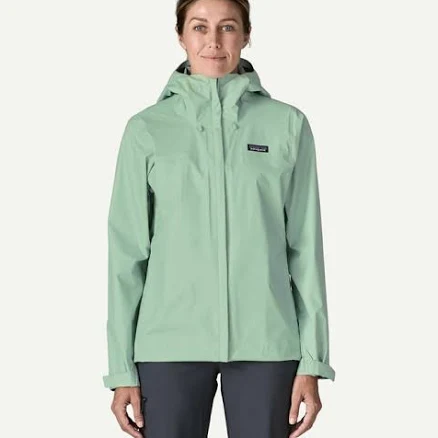
- The brand calls it PFAS-free, which we have not verified
- Formaldehyde / VOCs
5 hazards checked on this product, all on its full breakdown.
Find an alternative on AmazonMore clothing grades
How we score, every product runs through the same public 0-100 rubric based on materials, coatings, brand disclosure, lab findings, and recalls. See the full methodology → Spotted a mistake? Report an error.