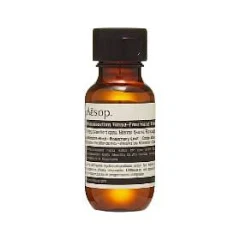
Aesop Resurrection Rinse-Free Hand Wash
Low concern for PFAS; no evidence of intentional fluorochemicals in rinse-free hand wash formula.
This liquid hand wash category carries minimal historical PFAS risk, as surfactants and emollients do not typically require Teflon-family coating coatings or water/stain resistance. Aesop has not disclosed PFAS testing or made PFAS-free claims.
We flunk more products than we pass. This one earned its grade. How we grade
Material
Water-based rinse-free hand wash; surfactants, humectants, botanical extracts
Brand disclosure
Brand is silent on PFAS
Lab data
No public lab test
You may also be interested in
Top-graded picks in the categories readers replace first, every one scored on the same rubric.

- polypropylene filter housing, carbon/sediment cartridge
- We found no PFAS statement from the brand
- Bacterial growth in spent cartridges
3 hazards checked on this product, all on its full breakdown.

Aquasure
Premier Series 75 GPD Under Sink Reverse Osmosis Water Filtration System
- RO membrane, carbon filters, stainless steel housing
- We found no PFAS statement from the brand
- Bacterial and microbial growth in housing and filters
4 hazards checked on this product, all on its full breakdown.

Avocado
Vegan Mattress
- organic cotton, natural latex, coconut coir, recycled steel coils
- The brand calls it PFAS-free, which we have not verified
- Heavy metals
2 hazards checked on this product, all on its full breakdown.
What Aesop Resurrection Rinse-Free Hand Wash is made of, ingredients and materials
Aesop Resurrection Rinse-Free Hand Wash is a water-based formulation relying on mild surfactants and humectants (likely glycerin or similar) rather than alcohol for antimicrobial action, plus botanical extracts (the brand uses plant-derived actives throughout its line). Water-based rinse-free products carry lower inherent chemical risk than alcohol-gel alternatives because they don't concentrate volatile compounds or skin-penetrating solvents. The botanical extracts add minimal toxicological burden if sourced conventionally, though fragrance and essential oil components warrant attention for skin sensitization in frequent users.
What’s concerning
Category baseline
The starting point for this type of product, before anything specific to this product is counted.
No PFAS disclosure
No public statement from the brand about PFAS in this product.
Fragrance allergens (essential oils)
Aesop formulations rely on essential oils rather than synthetic fragrance, which typically presents lower concern for some users but may still trigger contact sensitization in users with fragrance sensitivity or atopic dermatitis. No specific allergen incident reports are on record for this product.
Skin barrier disruption from frequent use
Any rinse-free hand wash, if used excessively (>10 applications daily), can disrupt skin microbiota and lipid barrier due to surfactant residue remaining on skin. This is a use-pattern hazard rather than formulation defect and is not unique to this brand.
What’s reassuring
Base material not linked to PFAS
The main material recorded for this product is not one associated with PFAS.
Botanical extract contamination or microbial growth
Water-based products with plant extracts theoretically pose higher microbial colonization risk if preservatives are insufficient, but Aesop products undergo standard cosmetic safety protocols. No recalls or contamination incidents are documented for Resurrection line.
Heavy metals
If botanicals are sourced from contaminated soils, they may carry trace heavy metals. No testing or incident reports exist for this product; standard cosmetic regulations require lead/cadmium screening in finished products in most markets.
Source, FDA ↗1,4-dioxane as manufacturing byproduct
Rinse-free formulations using ethoxylated surfactants can carry trace 1,4-dioxane as a byproduct. Aesop does not disclose specific surfactant sourcing; no independent testing results or recalls suggest this is a concern for this product.
How is this PFAS grade calculated?
The brand's record and disclosure
Aesop maintains a reputation for ingredient transparency and does not use synthetic fragrance in most products, instead relying on essential oils and plant extracts. However, the brand does not publish third-party certifications (EWG, Leaping Bunny) or detailed safety disclosures on specific formulation ingredients beyond its website ingredient lists. No major recalls or safety controversies are on public record for this product line. Aesop's parent company (Estee Lauder) has faced criticism on broader sustainability and PFAS disclosure practices, but the brand itself has not been implicated in fluorochemical inclusion in hand care products.
How it compares in its category
Rinse-free hand washes as a category carry lower systemic toxicity risk than alcohol-based hand sanitizers (which bypass skin barrier) or antimicrobial soaps containing triclosan or triclocarban (which are hormone-disruptive). Aesop's botanical-forward formulation positions it at the cleaner end of the category, though it is priced significantly above commodity alternatives and mass-market brands do not typically differ in safety profile for this product type. Key differentiator is fragrance sourcing, Aesop's use of essential oils over synthetic fragrance reduces exposure to undisclosed fragrance allergens common in budget brands.
If you buy it
Apply a pea-sized amount to dry hands and rub until dry; do not rinse. Avoid contact with eyes and open cuts. Store in cool conditions away from direct sunlight to preserve botanical extracts (essential oils can oxidize and become skin irritants over time). If used more than 10 times daily or on sensitive/eczema-prone skin, patch test first because high-frequency use of any hand wash, even plant-based, can strip skin microbiota and cause dermatitis. Replace bottle within 12 months of opening to minimize microbial growth and oxidation of botanicals.
What is not known about PFAS in this product?
- Basis
- Model estimate, 72% confidence, not a lab result
- Lab test
- None on record for this exact product
- Brand statement
- Aesop has made none
Formulations change between production runs, so check the current label. How we grade.
More hand sanitizer grades
How we score, every product runs through the same public 0-100 rubric based on materials, coatings, brand disclosure, lab findings, and recalls. See the full methodology → Spotted a mistake? Report an error.