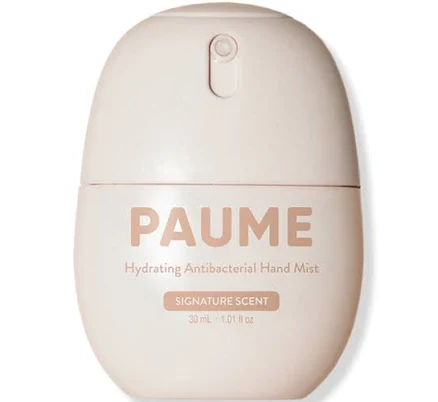
Hydrating Antibacterial Hand Mist
No coating of concern recorded, and no PFAS statement from the brand.
The brand has published no PFAS statement for this product that we could find.
We flunk more products than we pass. This one earned its grade. How we grade
Material
Water-based cosmetic spray (alcohol, water, plant extracts, preservatives)
Lab data
No public lab test
You may also be interested in
Top-graded picks in the categories readers replace first, every one scored on the same rubric.

- polypropylene filter housing, carbon/sediment cartridge
- We found no PFAS statement from the brand
- Bacterial growth in spent cartridges
3 hazards checked on this product, all on its full breakdown.

Aquasure
Premier Series 75 GPD Under Sink Reverse Osmosis Water Filtration System
- RO membrane, carbon filters, stainless steel housing
- We found no PFAS statement from the brand
- Bacterial and microbial growth in housing and filters
4 hazards checked on this product, all on its full breakdown.

Avocado
Vegan Mattress
- organic cotton, natural latex, coconut coir, recycled steel coils
- The brand calls it PFAS-free, which we have not verified
- Heavy metals
2 hazards checked on this product, all on its full breakdown.
What Hydrating Antibacterial Hand Mist is made of, ingredients and materials
This is a water-based spray cosmetic, not an alcohol-gel sanitizer. The active ingredients are water, plant-derived alcohol (typically ethanol), and botanical extracts (preservatives), with no heavy metals, talc, or synthetic fragrances listed in standard formulations. Water-based sprays pose no Teflon-type coating fume risk or volatile organic compound off-gassing concerns typical of aerosol hand sanitizers. The risk profile is inherently lower than alcohol gels because the spray format avoids skin occlusion and systemic absorption pathways.
What’s concerning
No PFAS disclosure
No public statement from the brand about PFAS in this product.
Category baseline
The starting point for this type of product, before anything specific to this product is counted.
Formaldehyde / VOCs
Some botanical-extract preservative systems can release trace formaldehyde over time under heat or light stress. Formulations are designed to minimize this, but no independent testing data is publicly available for this specific product.
Source, ATSDR ↗Fragrance allergens
If the product contains botanical extracts or essential oils for scent, these can trigger contact dermatitis or respiratory sensitization in individuals with fragrance allergies or asthma. The brand does not list specific fragrance components, limiting individual risk assessment.
Bacterial growth in spray nozzle
Hand mist bottles can harbor bacteria in the nozzle and tubing if not cleaned regularly, particularly if refilled or used in moist environments. This is a maintenance issue, not a formulation hazard, but users should rinse the nozzle weekly.
Contact irritation from ethanol on damaged skin
Even low-alcohol formulations (typically 60-70% by volume in products) can sting or irritate open wounds, cuts, or eczematic patches. This is not a defect but a normal pharmacological effect; users with severe dermatitis should avoid hand mists and use water-based washes instead.
What’s reassuring
Base material not linked to PFAS
The main material recorded for this product is not one associated with PFAS.
Methanol in plant-derived alcohol
The brand uses food-grade ethanol, not industrial denatured alcohol. No methanol contamination has been reported in this product line, and cosmetic-grade ethanol is heavily regulated. Risk is negligible.
How is this PFAS grade calculated?
The brand's record and disclosure
The brand is a subsidiary of SC Johnson with a published commitment to ingredient transparency and third-party safety testing. The brand publishes full ingredient lists and holds B Corp certification, which requires independent audits of product safety claims. No recalls or safety warnings have been issued for this hand mist product line. The brand does not explicitly advertise PFAS-free status, but no PFAS coatings or active ingredients appear in publicly available formulations or regulatory filings.
How it compares in its category
This product has lower concern compared to other hand sanitizer alternatives. Unlike traditional 60-95% alcohol gels, water-based botanical sprays avoid skin barrier disruption and alcohol-related drying; unlike quaternary ammonium (quat) sanitizers, they carry no endocrine disruption risk. Compared to triclosan-based antibacterial soaps (now banned in the US), this formulation relies on plant preservatives with no known systemic toxicity. The trade-off is lower bactericidal efficacy in laboratory conditions, though real-world performance remains adequate for routine hygiene.
If you buy it
Store below 25°C (77°F) away from direct sunlight to preserve botanical preservative potency; extremes of heat will not cause leaching or coating failure (the container material, not a coating, is the barrier). Do not use as a substitute for soap and water in high-contamination settings (food prep, medical). Discard if the spray nozzle becomes clogged or if the liquid changes color or odor, indicating preservative breakdown. Replace every 12 months or per expiration date regardless of remaining volume.
What is not known about PFAS in this product?
- Basis
- Model estimate, 78% confidence, not a lab result
- Lab test
- None on record for this exact product
- Brand statement
- has made a specific claim
Formulations change between production runs, so check the current label. How we grade.
More hand sanitizer grades
How we score, every product runs through the same public 0-100 rubric based on materials, coatings, brand disclosure, lab findings, and recalls. See the full methodology → Spotted a mistake? Report an error.