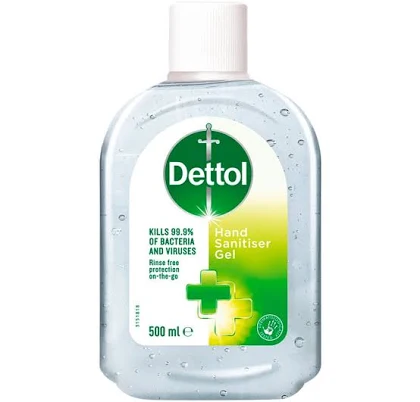
Dettol Antibacterial Hand Sanitiser Aloe Vera Gel 50ml
Low concern; no known use case for PFAS in alcohol-based hand sanitizer gels.
This alcohol gel base with aloe vera and glycerin contains no inherent reason to use PFAS. Hand sanitizers require no water-repellent, stain-resistant, or nonstick coatings.
We flunk more products than we pass. This one earned its grade. How we grade
Material
Alcohol gel base (ethanol/isopropyl), aloe vera extract, glycerin
Brand disclosure
Brand is silent on PFAS
Lab data
No public lab test
You may also be interested in
Top-graded picks in the categories readers replace first, every one scored on the same rubric.

- polypropylene filter housing, carbon/sediment cartridge
- We found no PFAS statement from the brand
- Bacterial growth in spent cartridges
3 hazards checked on this product, all on its full breakdown.

Aquasure
Premier Series 75 GPD Under Sink Reverse Osmosis Water Filtration System
- RO membrane, carbon filters, stainless steel housing
- We found no PFAS statement from the brand
- Bacterial and microbial growth in housing and filters
4 hazards checked on this product, all on its full breakdown.

Avocado
Vegan Mattress
- organic cotton, natural latex, coconut coir, recycled steel coils
- The brand calls it PFAS-free, which we have not verified
- Heavy metals
2 hazards checked on this product, all on its full breakdown.
What Dettol Antibacterial Hand Aloe Vera Gel is made of, ingredients and materials
Dettol's Aloe Vera Gel is an ethanol or isopropyl alcohol-based sanitizer (typically 60-70% alcohol by WHO standards) combined with glycerin as a humectant and aloe vera extract for skin conditioning. The alcohol component kills microbes via denaturation of proteins; glycerin and aloe are included to reduce skin drying that pure alcohol causes. This formulation avoids volatile organic compounds (VOCs) or polymer coatings that would introduce secondary hazards, making it chemically straightforward for topical use.
What’s concerning
Category baseline
The starting point for this type of product, before anything specific to this product is counted.
No PFAS disclosure
No public statement from the brand about PFAS in this product.
Fragrance allergens and skin sensitivity
Dettol products contain proprietary fragrance blends that may trigger contact dermatitis or fragrance allergies in sensitive individuals. No specific allergen list is disclosed on packaging; patch testing is recommended for users with known fragrance sensitivity.
Alcohol content and flammability risk
Ethanol or isopropyl alcohol at 60-70% is flammable. Risk is low during normal hand hygiene use but real if the product is stored near heat, flames, or sparks, or if ingested (particularly a risk for young children).
Skin drying and barrier disruption with chronic use
Frequent use of alcohol sanitizers removes natural skin oils despite glycerin inclusion. Prolonged or excessive application can cause dryness, irritation, or dermatitis in some users; this is a usage pattern issue, not a contamination hazard.
Accidental ingestion risk in children
The gel format and small 50ml tube size increase risk if a child accesses and ingests the product; ethanol toxicity in children can cause hypoglycemia and CNS depression. Not a hazard in the product itself but a foreseeable use context risk requiring secure storage.
What’s reassuring
Base material not linked to PFAS
The main material recorded for this product is not one associated with PFAS.
BPA & bisphenols
Alcohol-gel hand sanitizers do not require polymer coatings, colorants with heavy metal pigments, or formaldehyde-releasing preservatives. No evidence of BPA, BPS, or phthalate plasticizers in the product formulation itself.
Source, FDA ↗How is this PFAS grade calculated?
The brand's record and disclosure
Dettol (Reckitt Benckiser subsidiary) has a long history in antimicrobial consumer products and is generally transparent about active ingredients on packaging and safety data sheets. The brand does not publicly disclose PFAS testing or PFAS-free certification for this product, but PFAS has no established use case in alcohol-gel hand sanitizers, so silence is not unusual or concerning in this category. No major safety recalls or regulatory actions specific to this formulation are on record.
How it compares in its category
Alcohol-based hand sanitizer gels represent a segment within hand hygiene with lower concern regarding PFAS; this product sits in the mainstream middle ground alongside brands like Purell and Lifebuoy. Unlike some novelty sanitizers that use essential oils or quaternary ammonium compounds (quats), Dettol's alcohol approach has the longest safety history and lowest allergy risk for the general population. The addition of aloe vera and glycerin is marketing-driven but functional for skin tolerability.
If you buy it
Apply to dry hands and rub thoroughly for 20 seconds until dry; do not rinse. Store below 30°C and away from heat or flame, as ethanol is flammable. Check the expiration date on the tube; alcohol content can degrade if the bottle is left open or stored in high heat. Discontinue use immediately if skin irritation or allergic reaction occurs; Dettol products can trigger sensitivity in individuals with fragrance allergies, though this formulation is relatively mild.
What is not known about PFAS in this product?
- Basis
- Model estimate, 78% confidence, not a lab result
- Lab test
- None on record for this exact product
- Brand statement
- Dettol has made none
Formulations change between production runs, so check the current label. How we grade.
More hand sanitizer grades
How we score, every product runs through the same public 0-100 rubric based on materials, coatings, brand disclosure, lab findings, and recalls. See the full methodology → Spotted a mistake? Report an error.