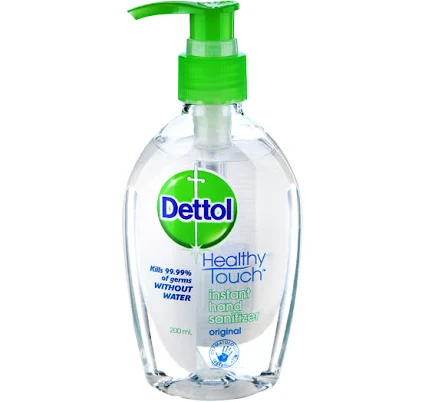
Dettol Instant Liquid Hand Sanitiser 200mL
Low concern; liquid hand sanitizer formula has no inherent need for PFAS.
This water-and-alcohol-based formula contains no known coating, treatment, or waterproofing step that would trigger PFAS use. The brand makes no PFAS claim either way.
We flunk more products than we pass. This one earned its grade. How we grade
Material
Aqueous liquid hand sanitiser (water-based, alcohol)
Brand disclosure
Brand is silent on PFAS
Lab data
No public lab test
You may also be interested in
Top-graded picks in the categories readers replace first, every one scored on the same rubric.

- polypropylene filter housing, carbon/sediment cartridge
- We found no PFAS statement from the brand
- Bacterial growth in spent cartridges
3 hazards checked on this product, all on its full breakdown.

Aquasure
Premier Series 75 GPD Under Sink Reverse Osmosis Water Filtration System
- RO membrane, carbon filters, stainless steel housing
- We found no PFAS statement from the brand
- Bacterial and microbial growth in housing and filters
4 hazards checked on this product, all on its full breakdown.

Avocado
Vegan Mattress
- organic cotton, natural latex, coconut coir, recycled steel coils
- The brand calls it PFAS-free, which we have not verified
- Heavy metals
2 hazards checked on this product, all on its full breakdown.
What Dettol Instant Liquid Hand Sanitiser 200mL is made of, ingredients and materials
Dettol Instant Hand Sanitiser is an aqueous liquid formulation, typically containing 70% ethanol or isopropanol alcohol as the active antimicrobial agent, combined with water, glycerin (humectant), and minor inactive ingredients. The alcohol content is the primary safety-relevant component, it is volatile, non-bioaccumulative, and has a long history of use in hand hygiene products at concentrations between 60-95%. The water and glycerin base means no volatile organic compound (VOC) off-gassing risk typical of solvent-based products, and no need for Teflon-type coating, latex, or synthetic polymer coatings.
What’s concerning
Category baseline
The starting point for this type of product, before anything specific to this product is counted.
No PFAS disclosure
No public statement from the brand about PFAS in this product.
Alcohol flammability
Ethanol/isopropanol at 70% concentration is flammable. Keep away from heat sources, open flames, and smoking. Standard labelling covers this; not a hidden risk.
Skin irritation or sensitisation from fragrance or humectants
Minor ingredients such as glycerin and fragrance compounds may cause contact dermatitis or drying in individuals with sensitive skin or repeated application without moisturiser. Alcohol itself can be drying; frequency of use and skin barrier function are individual factors.
Accidental ingestion toxicity
Ethanol and isopropanol are toxic if swallowed, particularly to children and pets. Poisoning risk is real and documented; this is a labelled hazard category for all hand sanitisers. Keep sealed and stored as directed.
Microbial contamination from improper storage or degradation
If the bottle is contaminated at source, opened frequently in warm/humid conditions, or stored beyond reasonable shelf life, bacterial or fungal growth can occur despite high alcohol content. Check product appearance and smell; discard if compromised.
What’s reassuring
Base material not linked to PFAS
The main material recorded for this product is not one associated with PFAS.
BPA & bisphenols
Aqueous liquid formulations do not require or contain PVC, polycarbonate, or other plastics that leach endocrine disruptors. No lead, cadmium, or pigment-based metals are relevant to clear liquid sanitisers.
Source, FDA ↗How is this PFAS grade calculated?
The brand's record and disclosure
Dettol (Reckitt Benckiser subsidiary) does not publicly highlight PFAS transparency in its hand sanitiser line, and no independent testing or recalls related to PFAS contamination in this product are on public record. The brand has faced scrutiny in other categories (e.g. surface cleaners, disinfectants) for unspecified 'active ingredients' and limited ingredient transparency, but hand sanitisers are a regulated category in most markets and must declare alcohol content. No established safety warnings or controversies specific to this hand sanitiser formulation are documented in major safety databases.
How it compares in its category
Liquid alcohol-based hand sanitisers like this one have extensive research documentation, with WHO-recommended alcohol concentrations and minimal additive burden. Compared to gel or foam hand sanitisers (which may contain triclosan, parabens, or higher fragrance loads) or powder formulations, liquids offer faster evaporation and lower skin irritation risk for routine use. The 200mL size is standard for portable hand hygiene; no size-related hazard distinction applies.
If you buy it
Use as directed on the label, typically 2-3mL per application, rubbing hands until dry (20-30 seconds). Store below 25 degrees Celsius away from heat and open flame, as the alcohol is flammable. Keep out of reach of children and away from eyes; accidental ingestion is a poisoning risk. Replace if the solution becomes discoloured, cloudy, or emits off-odours (sign of bacterial or fungal contamination), though the high alcohol content makes this unlikely in normal storage. Do not rely solely on hand sanitiser for visibly soiled hands; soap and water is preferable.
What is not known about PFAS in this product?
- Basis
- Model estimate, 78% confidence, not a lab result
- Lab test
- None on record for this exact product
- Brand statement
- Dettol has made none
Formulations change between production runs, so check the current label. How we grade.
More hand sanitizer grades
How we score, every product runs through the same public 0-100 rubric based on materials, coatings, brand disclosure, lab findings, and recalls. See the full methodology → Spotted a mistake? Report an error.