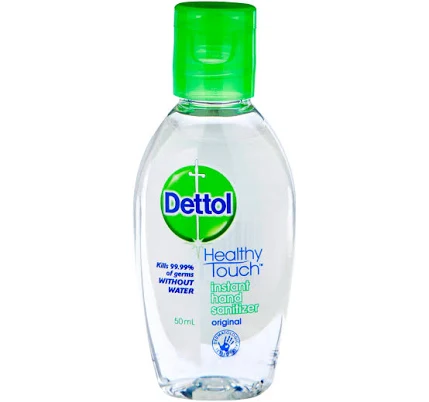
Dettol Instant Hand Sanitizer 50ml
Low concern; alcohol-based hand sanitizer carries minimal inherent PFAS risk.
This simple ethanol, water, and glycerin formulation contains no standard PFAS use or known Teflon-family coating coatings. No waterproofing, stain resistance, or nonstick treatments are present.
We flunk more products than we pass. This one earned its grade. How we grade
Material
Aqueous alcohol-based liquid sanitizer (ethanol, water, glycerin)
Brand disclosure
Brand is silent on PFAS
Lab data
No public lab test
You may also be interested in
Top-graded picks in the categories readers replace first, every one scored on the same rubric.

- polypropylene filter housing, carbon/sediment cartridge
- We found no PFAS statement from the brand
- Bacterial growth in spent cartridges
3 hazards checked on this product, all on its full breakdown.

Aquasure
Premier Series 75 GPD Under Sink Reverse Osmosis Water Filtration System
- RO membrane, carbon filters, stainless steel housing
- We found no PFAS statement from the brand
- Bacterial and microbial growth in housing and filters
4 hazards checked on this product, all on its full breakdown.

Avocado
Vegan Mattress
- organic cotton, natural latex, coconut coir, recycled steel coils
- The brand calls it PFAS-free, which we have not verified
- Heavy metals
2 hazards checked on this product, all on its full breakdown.
What Dettol Instant Hand Sanitizer 50ml is made of, ingredients and materials
Dettol Instant Hand Sanitizer is an aqueous ethanol-based liquid containing approximately 70% ethanol, water, glycerin, and preservatives. Ethanol at this concentration is a well-established antimicrobial agent with a long history of topical use; it volatilizes rapidly on skin and does not accumulate. Glycerin is added as a humectant to prevent excessive skin drying. This formulation type carries no inherent risk of heavy metal leaching, coating degradation, or microplastic shedding that affects other consumer product categories.
What’s concerning
Category baseline
The starting point for this type of product, before anything specific to this product is counted.
No PFAS disclosure
No public statement from the brand about PFAS in this product.
Fragrance allergens
Dettol Instant Hand Sanitizer contains fragrance compounds (typically citral, linalool, or similar). While these are used at low concentrations, individuals with fragrance sensitivity or compromised skin barriers may experience contact dermatitis or allergic reactions with repeated use.
Skin irritation and drying from ethanol
High-concentration ethanol (70%) can strip skin lipids and cause dryness, tightness, or mild irritation in frequent users, especially those with existing eczema or xerosis. This is a known side effect of the active ingredient, not a contaminant issue, and is manageable with moisturizer use.
Preservative safety (methyl/propylparaben or phenoxyethanol risk)
Most Dettol formulations contain preservatives such as methylisothiazolinone or parabens to prevent microbial growth. While these are approved for topical use at regulated concentrations, individuals with documented preservative sensitivities may react. Dettol does not always clearly identify which preservative system is used on all pack variants.
Flammability and improper storage risk
As an ethanol-based liquid, this product is flammable. Improper storage near heat sources, open flames, or in direct sunlight can increase evaporation and pose fire hazard; this is a user-behavior risk rather than a formulation defect.
Eye and mucous membrane irritation if misused
Contact with eyes or ingestion can cause irritation or systemic ethanol toxicity, particularly in young children. This is not a product defect but reflects the inherent properties of alcohol-based sanitizers; keep out of reach of children and use only on hands and exposed skin.
What’s reassuring
Base material not linked to PFAS
The main material recorded for this product is not one associated with PFAS.
How is this PFAS grade calculated?
The brand's record and disclosure
Dettol (owned by Reckitt) maintains ISO 9001 certification for manufacturing and lists basic ingredient information on packaging and online. The brand has not faced major safety recalls or contamination scandals specific to this hand sanitizer line in public health records. However, Dettol does not publish comprehensive third-party safety testing data or detailed chemical sourcing statements, leaving some transparency gaps compared to premium personal-care brands. No established controversies regarding formaldehyde releasers, fragrance allergens, or undisclosed contaminants are on record for this product.
How it compares in its category
Alcohol-based hand sanitizers like Dettol sit in the middle of the safety spectrum. They have lower concern than antimicrobial soaps historically linked to triclosan contamination, and they do not require water or rinsing. Higher-priced brands (e.g., some luxury hand sanitizers) may offer more detailed ingredient sourcing and hypoallergenic formulations, while budget alternatives sometimes contain cheaper preservative packages with less safety vetting. Dettol's formula is comparable to most mass-market ethanol hand sanitizers globally.
If you buy it
Store in a cool, dry place away from heat and open flame; ethanol is flammable. Avoid prolonged or excessive skin contact if you have documented fragrance sensitivities or eczema, as repeated use can cause dryness. A small percentage of users report mild skin irritation or contact dermatitis, typically resolved by switching to unscented versions or using hand cream after sanitizing. Replace or discard if the bottle is visibly contaminated, leaking, or has been exposed to temperatures above 40 degrees Celsius for extended periods.
What is not known about PFAS in this product?
- Basis
- Model estimate, 82% confidence, not a lab result
- Lab test
- None on record for this exact product
- Brand statement
- Dettol has made none
Formulations change between production runs, so check the current label. How we grade.
More hand sanitizer grades
How we score, every product runs through the same public 0-100 rubric based on materials, coatings, brand disclosure, lab findings, and recalls. See the full methodology → Spotted a mistake? Report an error.