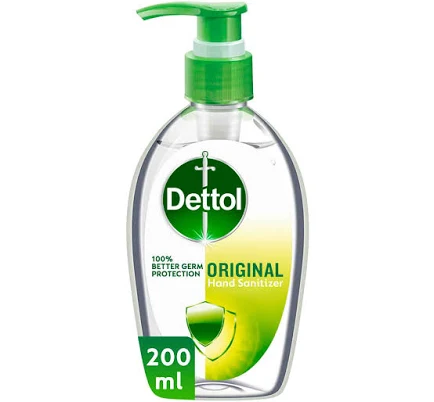
Dettol Original Instant Hand Sanitizer
Low concern for PFAS; typical hand sanitizer formulation unlikely to require fluorinated coatings.
This liquid sanitizer contains no known PFAS-prone ingredients or manufacturing steps. Hand sanitizers typically hold only aqueous alcohols and preservatives without Teflon-type coating or Teflon-family coating coatings.
We flunk more products than we pass. This one earned its grade. How we grade
Material
Aqueous alcohol-based sanitizer liquid (ethanol, water, isopropanol typical formulation)
Brand disclosure
Brand is silent on PFAS
Lab data
No public lab test
You may also be interested in
Top-graded picks in the categories readers replace first, every one scored on the same rubric.

- polypropylene filter housing, carbon/sediment cartridge
- We found no PFAS statement from the brand
- Bacterial growth in spent cartridges
3 hazards checked on this product, all on its full breakdown.

Aquasure
Premier Series 75 GPD Under Sink Reverse Osmosis Water Filtration System
- RO membrane, carbon filters, stainless steel housing
- We found no PFAS statement from the brand
- Bacterial and microbial growth in housing and filters
4 hazards checked on this product, all on its full breakdown.

Avocado
Vegan Mattress
- organic cotton, natural latex, coconut coir, recycled steel coils
- The brand calls it PFAS-free, which we have not verified
- Heavy metals
2 hazards checked on this product, all on its full breakdown.
What Dettol Original Instant Hand Sanitizer is made of, ingredients and materials
Dettol Original is an aqueous ethanol or isopropanol-based liquid sanitizer, typically formulated with water, alcohol (likely 60-70% by WHO standards), and humectants or emollients. The active antimicrobial component is the alcohol itself, which denatures bacterial and viral proteins on contact. Unlike spray-based products, the liquid form minimizes inhalation risk of fine particles or propellants, reducing respiratory exposure concern during normal hand-washing application.
What’s concerning
Category baseline
The starting point for this type of product, before anything specific to this product is counted.
No PFAS disclosure
No public statement from the brand about PFAS in this product.
Skin irritation or sensitization (alcohol, fragrance if present)
Ethanol or isopropanol can dry or irritate sensitive skin with repeated use; fragrance components (if added) may trigger contact dermatitis in susceptible individuals. No recalls or widespread adverse event reports are on record for Dettol Original.
Accidental ingestion (alcohol content)
Hand sanitizers typically contain 60-70% ethanol, which is toxic if swallowed in significant quantities, especially by young children. Risk is low in normal hand-sanitizing use but present if product is mishandled or accessed by infants/toddlers.
Eye or mucous membrane irritation (if contact occurs)
Alcohol-based products cause stinging and temporary irritation if splashed into eyes; risk is low if used as intended but should be rinsed immediately if contact occurs.
Flammability (ethanol base)
Alcohol-based sanitizers are flammable and should be stored away from open flame, heat sources, or ignition points. This is a handling hazard, not a skin-contact hazard, and is noted on product labels.
What’s reassuring
Base material not linked to PFAS
The main material recorded for this product is not one associated with PFAS.
Preservative or additive allergens (formulation-specific)
Dettol's exact additive package is not fully disclosed publicly; fragrance and preservative components may trigger rare allergic reactions in individuals with known sensitivities, but no widespread allergen alerts or recalls are documented.
How is this PFAS grade calculated?
The brand's record and disclosure
Dettol (Reckitt Benckiser subsidiary) has a long history in household and personal hygiene products with no major safety recalls or hazard litigation tied to the Original Instant Hand Sanitizer formulation. The brand does not publicly disclose detailed ingredient sourcing or third-party certification (e.g., EWG verification, dermatological testing statements are not widely advertised). Reckitt has faced scrutiny on other product lines regarding sustainability and chemical transparency, but no specific controversy surrounds this hand sanitizer.
How it compares in its category
Hand sanitizers as a category carry minimal hazard burden compared to cookware, textiles, or cosmetics, because contact is brief, non-ingested, and skin-surface-only. Dettol Original is a mid-market liquid option; it performs similarly to unscented WHO-formulation sanitizers (ethanol-glycerin base) and carries no additional chemical load versus drugstore equivalents. Some premium brands (e.g., Purell) offer fragrance-free or dermatologist-tested variants, but chemical hazard profiles are broadly equivalent.
If you buy it
Use as directed, dispense a small amount (coin-sized) and rub hands for 20 seconds until dry. Do not ingest or apply to eyes or broken skin in large amounts. Store in a cool, dry place away from heat or flame (alcohol is flammable). Discard if the liquid becomes cloudy, discolored, or separates, as this may indicate bacterial contamination or ingredient degradation; shelf life is typically 2-3 years unopened. Skin irritation is rare but possible in individuals with sensitive skin or eczema; discontinue if redness or itching occurs.
What is not known about PFAS in this product?
- Basis
- Model estimate, 78% confidence, not a lab result
- Lab test
- None on record for this exact product
- Brand statement
- Dettol has made none
Formulations change between production runs, so check the current label. How we grade.
More hand sanitizer grades
How we score, every product runs through the same public 0-100 rubric based on materials, coatings, brand disclosure, lab findings, and recalls. See the full methodology → Spotted a mistake? Report an error.