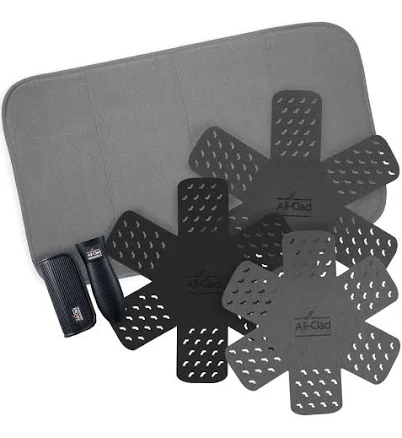
All-Clad · Parchment Paper & Baking Liners
All-Clad 6-Piece Cookware Protectors
Silicone sleeves present lower PFAS concern than coated cookware.
These All-Clad silicone sleeves protect cookware without applying nonstick coatings. Silicone carries lower PFAS risk than coated cookware surfaces, though no brand composition details exist.
The better-graded swap
If You Care
If You Care Baking Paper, Parchment, 70 Square Feet
90/100 safety
Same rubric that flunked this product. The swap earned Excellent.
Still want this one anyway? Check the price on Amazon. We’d swap it.
Material
Silicone pot protectors (nonstick cookware sleeves)
Lab data
No public lab test
What All-Clad 6-Piece Cookware Protectors is made of, ingredients and materials
All-Clad cookware protectors are silicone sleeves designed to fit around pot rims and handles. Silicone is a synthetic polymer with a high Si-O backbone that resists degradation at typical cooking temperatures (up to 400-500F for most food-grade silicone). Unlike Teflon-type coating nonstick coatings or enameled surfaces, silicone does not release toxic fumes when heated moderately and has minimal leaching risk into food because it is a passive physical barrier, not a direct contact cookware surface.
What’s concerning
Category baseline
The starting point for this type of product, before anything specific to this product is counted.
No PFAS disclosure
No public statement from the brand about PFAS in this product.
Silicone degradation and leaching
Food-grade silicone is stable at normal cooking temperatures, but low-quality or non-food-grade silicone can leach oligomers (small silicone chains) when heated above 400F or exposed to fatty foods. All-Clad does not publicly specify silicone grade or extraction testing; no recalls have been reported.
Bacterial or mold growth in crevices
Silicone sleeve seams and inner folds can trap moisture and food particles if not dried thoroughly after washing, creating conditions for microbial colonization. Regular hand washing and air drying mitigate this risk.
What’s reassuring
Base material not linked to PFAS
The main material recorded for this product is not one associated with PFAS.
Formaldehyde / VOCs
Silicone polymer production does not typically involve formaldehyde-releasing agents as in textile dyeing or wood binding. No contamination of this type has been reported in food-grade silicone kitchen products.
Source, ATSDR ↗Heavy metals
All-Clad cookware protectors are typically clear, translucent, or neutral-colored silicone; colored silicone sleeves may carry pigment additives, but no lead, cadmium, or heavy metal contamination has been reported in products from this brand.
Source, FDA ↗Flame retardants
These pot protectors are not marketed as flame-resistant and are not a furniture or textile product; flame retardant chemicals are not expected or regulated in food-contact silicone kitchen accessories.
Source, EPA ↗The full breakdown
The brand's record and disclosure
All-Clad is a U.S. premium cookware manufacturer owned by Groupe SEB (France). The company does not publicly disclose detailed PFAS or silicone sourcing policies, but maintains ISO 9001 quality certification. No recalls or safety warnings for these pot protectors have been recorded. All-Clad's cookware itself (stainless steel, nonstick) has faced scrutiny over Teflon-type coating/PFOA in legacy products, but these sleeves are a separate accessory category with simpler material composition.
How it compares in its category
Silicone pot protectors present lower concern for moisture absorption and microbial growth compared to cloth or cotton pot holders, which can absorb moisture and harbor microbes if not washed regularly. Compared to rubber handles or fabric sleeves from budget brands, food-grade silicone from established manufacturers like All-Clad is less likely to off-gas volatile organic compounds or leach unknown additives. This product sits at the premium end of the category with quality control less variable than generic silicone sleeves sold online.
If you buy it
Inspect sleeves for visible cracks, discoloration, or odor before use; discard if degraded. Wash by hand with warm soapy water after each use to prevent buildup of food residue and bacterial growth in creases. Do not exceed the manufacturer's stated temperature limit (typically 400-500F); silicone can soften above this range. Replace every 2-3 years or if material becomes tacky, stiff, or develops permanent deformation.
What we don’t know
- Basis
- Model estimate, 62% confidence, not a lab result
- Lab test
- None on record for this exact product
- Brand statement
- All-Clad has made a specific claim
Formulations change between production runs, so check the current label. How we grade.
Better-graded alternatives in Parchment Paper & Baking Liners
If You Care
Baking Paper, Parchment, 70 Square Feet
- silicone-coated parchment paper
- The brand calls it PFAS-free, which we have not verified
- Paper degradation and particulate shedding
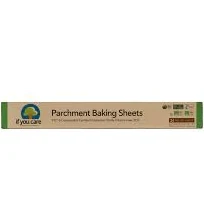
If You Care
Parchment Baking Sheets
- unbleached paper with silicone coating
- The brand calls it PFAS-free, which we have not verified
- Silicone coating degradation at high heat
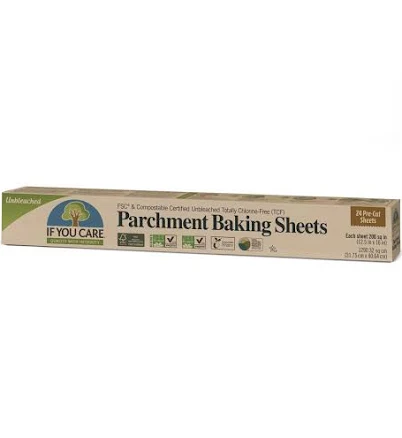
If You Care
Parchment Baking Sheets
- bleached paper with silicone coating
- The brand calls it PFAS-free, which we have not verified
- Paper degradation and fragmentation
More parchment paper & baking liners grades
How we score, every product runs through the same public 0-100 rubric based on materials, coatings, brand disclosure, lab findings, and recalls. See the full methodology → Spotted a mistake? Report an error.