All-Clad · Parchment Paper & Baking Liners
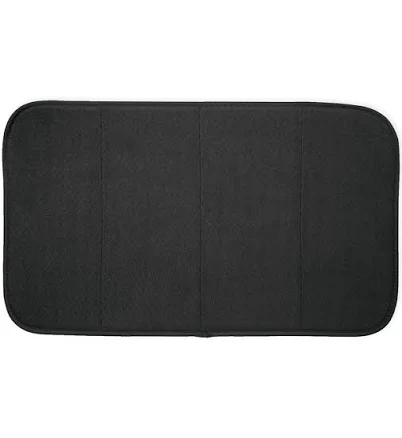
All-Clad Dish Drying Mat
Lower PFAS concern; microfiber mat unlikely to contain PFAS.
All-Clad dish drying mats use microfiber textile without known PFAS treatment. The brand makes no PFAS statement, though the material type suggests lower exposure.
The better-graded swap
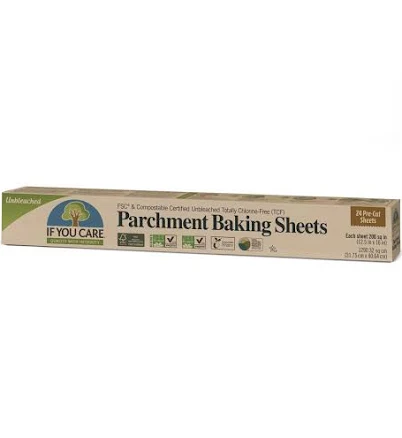
If You Care
If You Care Parchment Baking Sheets
90/100 safety
Same rubric that flunked this product. The swap earned Excellent.
Still want this one anyway? Check the price on Amazon. We’d swap it.
Material
microfiber textile
Lab data
No public lab test
What All-Clad Dish Drying Mat is made of, ingredients and materials
All-Clad's dish drying mat is microfiber textile, a synthetic polymer blend (typically polyester and polyamide) engineered for absorbency and durability. Microfiber does not inherently require toxic coatings or water-resistant treatments to function, unlike traditional terry cloth or cotton blends. Since this product contacts only clean, dried dishware and air-dries in a kitchen, it avoids the heat exposure or food-contact scenarios that typically trigger leaching concerns in textiles. The microfiber construction itself is chemically inert once dry.
What’s concerning
Category baseline
The starting point for this type of product, before anything specific to this product is counted.
No PFAS disclosure
No public statement from the brand about PFAS in this product.
Microplastic shedding and fiber fragmentation
Microfiber textiles naturally shed small fibers during washing and use. In a dish mat context, shed fibers remain in wash water or kitchen air rather than entering food, so exposure is minimal. Shedding does not indicate a chemical hazard but an environmental concern; regular washing reduces loose fibers.
What’s reassuring
Base material not linked to PFAS
The main material recorded for this product is not one associated with PFAS.
Formaldehyde / VOCs
Microfiber textile production typically does not employ formaldehyde-cured durable-press or wrinkle-resistant finishes common in cotton. No public record of formaldehyde-finish concerns in All-Clad textiles.
Source, ATSDR ↗Heavy metals
All-Clad dish mats are typically solid-color (black, white, grey), which require fewer or simpler dyes than printed or multi-hued textiles. Manufacturer dye sourcing is not disclosed, but no brand-specific dye contamination incidents are on record.
Source, FDA ↗Antimicrobial coatings or additives
All-Clad does not publicly advertise antimicrobial treatment on this product. If present, additives would be undisclosed, but no evidence suggests their use on a basic utility mat.
Allergic sensitization from dyes or finishes
Microfiber mats pose minimal allergen risk because they contact skin only incidentally (hands during handling, not prolonged contact). Residual dye or finish is unlikely to elicit reaction in most users; no brand-specific allergic complaints are documented.
The full breakdown
The brand's record and disclosure
All-Clad is known for high-end cookware and has built reputation on material quality and manufacturing transparency for cookware lines, though specific public disclosures on dish mat chemistry are minimal. The brand has not published OEKO-TEX, GOTS, or similar textile safety certifications for this accessory product, which is typical for utility kitchen textiles (not a transparency failure, but a limitation). No recalls or chemical controversies specific to All-Clad textiles appear in public records. Parent company Groupe SEB has general sustainability commitments but does not extensively detail microfiber sourcing.
How it compares in its category
Dish drying mats occupy a low-hazard category because they are non-food-contact, non-heated, and non-ingested. Microfiber mats like this one actually outperform traditional cotton or bamboo alternatives in chemical safety, since cotton often requires formaldehyde-based fabric finishing resins and dyes, while microfiber requires minimal processing. Compared to mats with added antimicrobial treatments or water-repellent coatings, a plain microfiber mat avoids those additives altogether. All-Clad's version sits squarely in the safety mainstream for this product type.
If you buy it
Wash before first use in warm water to remove any loose microfiber particles or dust from manufacturing. Launder regularly (every 1-2 weeks if in daily use) in warm or cold water with standard detergent; avoid fabric softener, which reduces absorbency. Microfiber withstands standard drying cycles but line-drying extends lifespan. Replace when absorbency noticeably declines or fibers pill excessively (typically 2-3 years of heavy use). No special care is required beyond standard textile maintenance.
What we don’t know
- Basis
- Model estimate, 72% confidence, not a lab result
- Lab test
- None on record for this exact product
- Brand statement
- All-Clad has made a specific claim
Formulations change between production runs, so check the current label. How we grade.
Better-graded alternatives in Parchment Paper & Baking Liners
If You Care
Baking Paper, Parchment, 70 Square Feet
- silicone-coated parchment paper
- The brand calls it PFAS-free, which we have not verified
- Paper degradation and particulate shedding
If You Care
Parchment Baking Sheets
- unbleached paper with silicone coating
- The brand calls it PFAS-free, which we have not verified
- Silicone coating degradation at high heat
If You Care
Parchment Baking Sheets
- bleached paper with silicone coating
- The brand calls it PFAS-free, which we have not verified
- Paper degradation and fragmentation
More parchment paper & baking liners grades
How we score, every product runs through the same public 0-100 rubric based on materials, coatings, brand disclosure, lab findings, and recalls. See the full methodology → Spotted a mistake? Report an error.