All-Clad · Parchment Paper & Baking Liners
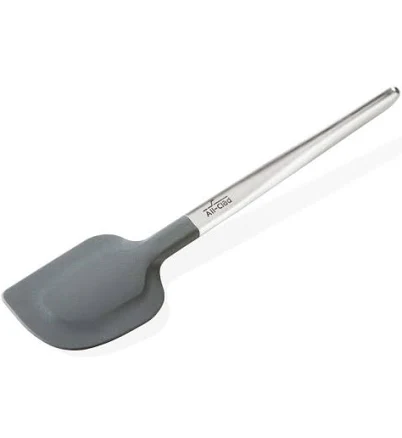
All-Clad Silicone Spatula
Lower concern. Silicone is not a material linked to PFAS.
This spatula is made of silicone, a material not typically associated with PFAS. All-Clad has no PFAS statement on record for this product.
The better-graded swap
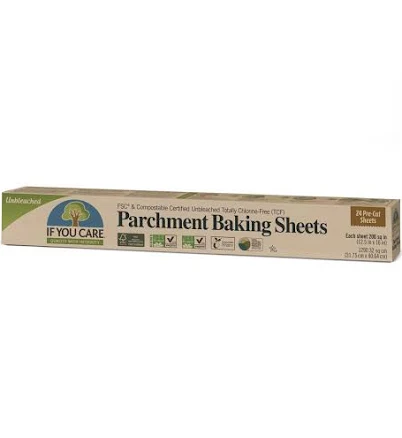
If You Care
If You Care Parchment Baking Sheets
90/100 safety
Same rubric that flunked this product. The swap earned Excellent.
Still want this one anyway? Check the price on Amazon. We’d swap it.
Material
silicone handle and head
Lab data
No public lab test
What All-Clad Silicone Spatula is made of, ingredients and materials
All-Clad silicone spatulas are constructed from food-grade silicone (the head) bonded to a silicone or silicone-wrapped handle. Silicone is an inert polymer backbone (silicon and oxygen chains) that does not degrade into harmful monomers at typical cooking temperatures below 400°F. Unlike enameled or ceramic-coated cookware, silicone spatulas have no glaze or enamel layer prone to chipping and leaching lead or cadmium. The main durability concern is the adhesive or bonding agent at the handle-head joint, which can weaken over time with repeated heat and moisture exposure.
What’s concerning
Category baseline
The starting point for this type of product, before anything specific to this product is counted.
No PFAS disclosure
No public statement from the brand about PFAS in this product.
Handle degradation and adhesive bond failure
Silicone-to-silicone or silicone-to-plastic adhesive bonds can weaken with repeated heat cycling and moisture. If the handle separates, sharp edges or loss of grip control pose a burn or dropping risk.
Off-gassing during first use
New silicone utensils may emit a slight odor during initial heating, which is typically benign volatile organic compounds released as the material equilibrates. This odor usually dissipates after 1-2 uses and is not associated with toxicological risk at normal cooking temperatures.
Discoloration or staining from food pigments
Silicone may permanently absorb pigments from tomato sauce, turmeric, or beet juice over many uses. This is cosmetic, not a safety hazard, but may prompt premature replacement for some users.
What’s reassuring
Base material not linked to PFAS
The main material recorded for this product is not one associated with PFAS.
Silicone leaching at high temperatures
Food-grade silicone does not leach harmful monomers under normal cooking conditions below 400°F. No documented cases of silicone spatula leaching into food have been reported for mainstream brands like All-Clad.
Bacterial growth or biofilm on worn surface
Smooth silicone surfaces resist bacterial colonization better than porous materials. No documented health incidents from All-Clad silicone spatulas. Risk arises only if the tool is visibly damaged or not cleaned promptly after use.
The full breakdown
The brand's record and disclosure
All-Clad is owned by the Groupe SEB parent company and maintains a strong reputation for cookware quality and manufacturing transparency. The brand does not explicitly market PFAS-free status for silicone tools, though silicone itself is not a typical PFAS carrier. All-Clad provides product care instructions and honor warranties on cookware, but does not publish detailed material certifications or independent safety audit reports for kitchen utensils. No major recalls or contamination incidents are on record for All-Clad silicone spatulas.
How it compares in its category
Silicone spatulas as a category present lower concern than stainless steel or ceramic-handled tools because they avoid the metal-coating risks associated with those materials. All-Clad silicone tools are priced at the premium end (typically $15-30 per spatula) compared to generic brands, which often reflects better material consistency and QC. Budget silicone spatulas from unknown manufacturers carry higher risk of poor adhesive bonds or off-gassing during initial use. All-Clad's reputation positions it as a mid-to-high confidence choice within the silicone utensil segment.
If you buy it
Store the spatula away from direct heat when not in use; silicone retains memory and may warp if left touching hot cookware surfaces. Avoid prolonged exposure to temperatures above 400°F, as high heat can gradually degrade the silicone and weaken handle bonds. Hand wash rather than dishwasher to extend the life of the adhesive sealing the handle. Replace the spatula if the handle begins to separate, tear, or if silicone odor develops, which may indicate material breakdown.
What we don’t know
- Basis
- Model estimate, 82% confidence, not a lab result
- Lab test
- None on record for this exact product
- Brand statement
- All-Clad has made a specific claim
Formulations change between production runs, so check the current label. How we grade.
Better-graded alternatives in Parchment Paper & Baking Liners
If You Care
Baking Paper, Parchment, 70 Square Feet
- silicone-coated parchment paper
- The brand calls it PFAS-free, which we have not verified
- Paper degradation and particulate shedding
If You Care
Parchment Baking Sheets
- unbleached paper with silicone coating
- The brand calls it PFAS-free, which we have not verified
- Silicone coating degradation at high heat
If You Care
Parchment Baking Sheets
- bleached paper with silicone coating
- The brand calls it PFAS-free, which we have not verified
- Paper degradation and fragmentation
More parchment paper & baking liners grades
How we score, every product runs through the same public 0-100 rubric based on materials, coatings, brand disclosure, lab findings, and recalls. See the full methodology → Spotted a mistake? Report an error.