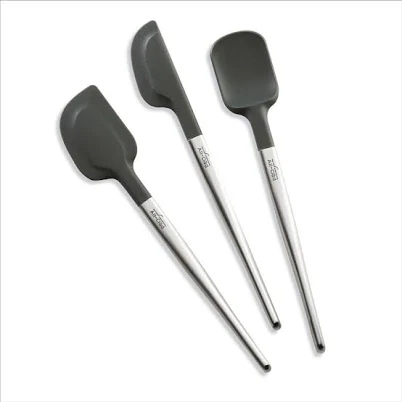
All-Clad · Parchment Paper & Baking Liners
All-Clad Silicone Tools Spatula Set
Silicone utensils present lower concern than nonstick cookware.
These silicone tools are not a material linked to PFAS. The brand has no PFAS statement on record.
The better-graded swap
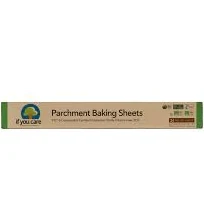
If You Care
Parchment Baking Sheets
90/100 safety
Same rubric that flunked this product. The swap earned Excellent.
Still want this one anyway? Check the price on Amazon. We’d swap it.
Material
silicone utensils
Lab data
No public lab test
What All-Clad Silicone Tools Spatula Set is made of, ingredients and materials
All-Clad silicone spatulas are made from food-grade silicone polymer, which is chemically inert and does not leach monomers or additives into food under normal cooking temperatures (up to approximately 400-500°F depending on product spec). Unlike ceramic or enameled cookware, silicone utensils carry no glaze, coating, or non-stick surface that could degrade, chip, or release harmful particles. Silicone is non-porous and does not absorb odors, flavors, or bacteria in the same way wooden utensils do.
What’s concerning
Category baseline
The starting point for this type of product, before anything specific to this product is counted.
No PFAS disclosure
No public statement from the brand about PFAS in this product.
Thermal degradation of silicone polymer
Food-grade silicone is stable to approximately 400-500°F; exceeding this temperature can cause polymer breakdown and release of volatile compounds. This product should include documented heat limit guidance; verify before purchase.
Bacterial or mold growth if improperly stored
Silicone is non-porous but can retain moisture in crevices around handles or joints if not fully dried. Proper air-drying and storage in dry conditions minimizes this risk.
Handle material safety (if not silicone)
If the handle includes plastic, stainless steel, or other materials, verify those components meet food contact standards. Confirm with product specification sheet that non-silicone handle portions do not include BPA or other endocrine disruptors.
What’s reassuring
Base material not linked to PFAS
The main material recorded for this product is not one associated with PFAS.
Silicone leaching at elevated temperatures
No peer-reviewed studies or recalls document leaching of silicone oligomers or additives from food-grade silicone utensils at normal cooking temperatures. Risk is theoretical above manufacturer-specified limits.
Colorant or additive migration
All-Clad products are generally made to food contact compliance standards, but the company does not publicly disclose specific pigment or additive composition for silicone tools. No recalls or complaints are on record for this product line.
The full breakdown
The brand's record and disclosure
All-Clad is owned by Groupe SEB and has built a reputation for premium stainless steel and hard-anodized cookware with generally transparent material documentation. The company does not publicly issue specific PFAS-free certifications for their silicone tool line, nor do they publish independent third-party testing results for these utensils. This silence on PFAS is common in the utensil category but represents a missed opportunity for clear consumer assurance. No recalls or safety controversies specific to All-Clad silicone tools are on public record.
How it compares in its category
Silicone utensils are generally considered lower-risk than wooden utensils (which can harbor bacteria and splinter) and nonstick-coated utensils (which risk Teflon-type coating off-gassing and coating wear). All-Clad's premium positioning and brand heritage suggest tighter manufacturing control than budget silicone alternatives, though this does not guarantee PFAS absence. Most major cookware brands offer similar silicone utensil sets with comparable material profiles; differentiation is largely in handle comfort and heat tolerance range.
If you buy it
Confirm the product's stated heat limit (typically 400-500°F) and avoid prolonged exposure to open flame or burner coils. Hand-wash or use the top rack of a dishwasher; silicone can occasionally absorb staining but is not damaged by dishwashing. Replace utensils if silicone becomes sticky, discolored beyond normal use, or develops visible degradation. Store away from direct heat and sunlight to slow any natural aging of the polymer.
What we don’t know
- Basis
- Model estimate, 82% confidence, not a lab result
- Lab test
- None on record for this exact product
- Brand statement
- All-Clad has made a specific claim
Formulations change between production runs, so check the current label. How we grade.
Better-graded alternatives in Parchment Paper & Baking Liners
If You Care
Baking Paper, Parchment, 70 Square Feet
- silicone-coated parchment paper
- The brand calls it PFAS-free, which we have not verified
- Paper degradation and particulate shedding
If You Care
Parchment Baking Sheets
- unbleached paper with silicone coating
- The brand calls it PFAS-free, which we have not verified
- Silicone coating degradation at high heat
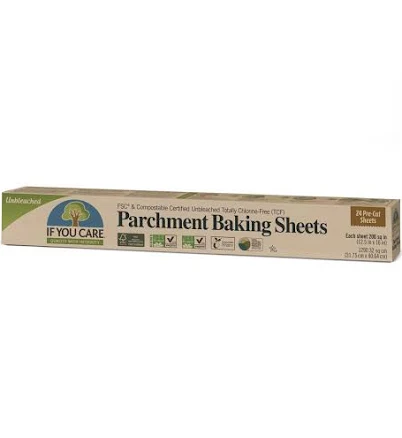
If You Care
Parchment Baking Sheets
- bleached paper with silicone coating
- The brand calls it PFAS-free, which we have not verified
- Paper degradation and fragmentation
More parchment paper & baking liners grades
How we score, every product runs through the same public 0-100 rubric based on materials, coatings, brand disclosure, lab findings, and recalls. See the full methodology → Spotted a mistake? Report an error.