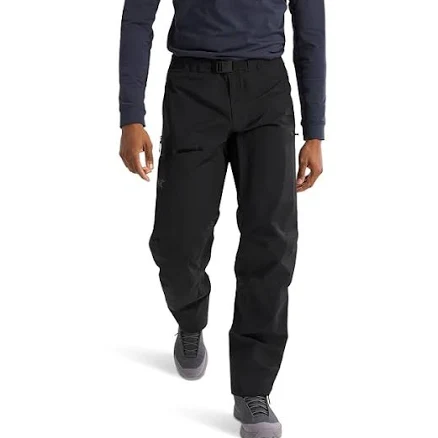
Arc'teryx Men's Beta Pants
water-repellent coating-treated nylon shell with no PFAS disclosure from Arc'teryx.
The Beta Pants have a nylon shell with a water-repellent coating finish. water-repellent coating treatments have historically used PFAS compounds. Arc'teryx has no PFAS statement on record for this product.
Still want this one anyway? Check the price on Amazon. We’d swap it.
Material
Nylon shell with water-repellent coating water-repellent coating finish
Lab data
No public lab test
You may also be interested in
Top-graded picks in the categories readers replace first, every one scored on the same rubric.

- polypropylene filter housing, carbon/sediment cartridge
- We found no PFAS statement from the brand
- Bacterial growth in spent cartridges
3 hazards checked on this product, all on its full breakdown.

Aquasure
Premier Series 75 GPD Under Sink Reverse Osmosis Water Filtration System
- RO membrane, carbon filters, stainless steel housing
- We found no PFAS statement from the brand
- Bacterial and microbial growth in housing and filters
4 hazards checked on this product, all on its full breakdown.

Avocado
Vegan Mattress
- organic cotton, natural latex, coconut coir, recycled steel coils
- The brand calls it PFAS-free, which we have not verified
- Heavy metals
2 hazards checked on this product, all on its full breakdown.
What Arc'teryx Men's Beta Pants is made of, ingredients and materials
The Beta Pants use a nylon shell, a petroleum-derived synthetic polymer that is durable and inherently water-resistant to some degree. The critical component is the water-repellent coating (water-repellent coating) finish applied to the fabric surface. Arc'teryx has not publicly disclosed whether this water-repellent coating uses legacy PFAS (PFOA, PFOS) or newer fluorine-free alternatives. water-repellent coating coatings are the primary PFAS exposure route in rain apparel; without transparency, you cannot verify safety of this finish.
What’s concerning
Category baseline
The starting point for this type of product, before anything specific to this product is counted.
No PFAS disclosure
No public statement from the brand about PFAS in this product.
Waterproof / stain-resistant treatment
Water-repellent coating treatments have historically used PFAS.
PFAS
Arc'teryx has not disclosed whether the Beta Pants water-repellent coating uses fluorinated compounds (PFAS) or fluorine-free chemistry. This is a standard finish type in rain apparel where PFAS remains common, though newer alternatives exist. Contact Arc'teryx or check product tags for 'fluorine-free' or 'PFC-free' labels if this is a concern.
Source, ATSDR ↗water-repellent coating finish degradation and re-application exposure
If you apply commercial water-repellent coating treatments to refresh the coating, exposure depends on the product used. Choose fluorine-free reapplication treatments to avoid adding PFAS. Washing frequency and method matter; excessive heat can strip finish faster and may require more frequent reapplication.
What’s reassuring
Formaldehyde / VOCs
Nylon apparel can contain small amounts of formaldehyde-based resins in dyes or finishing, but Arc'teryx products undergo standard industrial washing that removes most residue. No reported formaldehyde contamination in Arc'teryx rain gear.
Source, ATSDR ↗Azo dyes
Arc'teryx is a premium brand using quality dye chemistry, and no documented azo dye violations exist for the brand. Nylon is typically dyed with non-azo or restricted-azo formulations in mainstream outdoor brands.
Antimony in polyester components
The Beta Pants are described as nylon shell, not polyester. If any internal components or labels use polyester, antimony risk exists but is not documented for Arc'teryx products and would be minimal in a rain shell.
How is this PFAS grade calculated?
The brand's record and disclosure
Arc'teryx is a subsidiary of Salomon Group (owned by Amer Sports). The brand has not published a public PFAS policy, chemical disclosure statement, or commitment to fluorine-free water-repellent coating across its product lines as of available records. No major recalls or documented chemical hazards have been issued for Arc'teryx apparel. The silence on water-repellent coating chemistry is the primary concern; competitors like Patagonia and some outdoor brands now offer fluorine-free water-repellent coating or disclose their PFAS use.
How it compares in its category
High-end rain pants in this category (The North Face, Salomon, Columbia) typically use either legacy PFAS-based water-repellent coating or newer fluorine-free alternatives, but most manufacturers do not proactively disclose which. Arc'teryx's Beta line is premium-priced and well-regarded for durability and fit. The lack of public water-repellent coating chemistry disclosure is not unusual in the category, but it is a gap compared to brands explicitly marketing PFAS-free or certified sustainable rain gear.
If you buy it
Wash separately from other clothes when new to remove excess finish residue. Use cool water and mild detergent; avoid high heat drying, which can degrade nylon and accelerate finish breakdown. water-repellent coating coatings naturally degrade after 50-100 washes; reapply commercial water-repellent coating treatments as needed if you want water shedding. The nylon itself is stable and does not leach chemicals under normal wear; the finish is the only chemical concern.
What is not known about PFAS in this product?
- Basis
- Model estimate, 35% confidence, not a lab result
- Lab test
- None on record for this exact product
- Brand statement
- Arc'teryx has made a specific claim
Formulations change between production runs, so check the current label. How we grade.
What are the PFAS-free alternatives to Arc'teryx Men's Beta Pants?
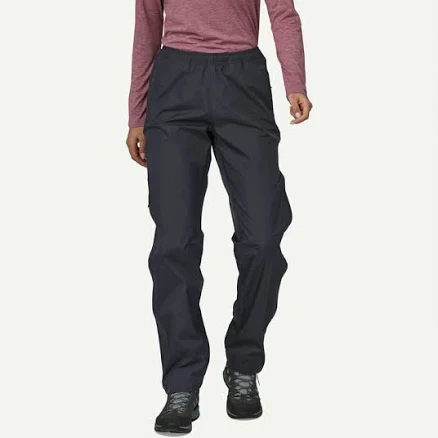
- Nylon with water-repellent coating water-repellent coating finish
- The brand calls it PFAS-free, which we have not verified
- water-repellent coating finish composition (unstated chemistry)
2 hazards checked on this product, all on its full breakdown.
Find an alternative on Amazon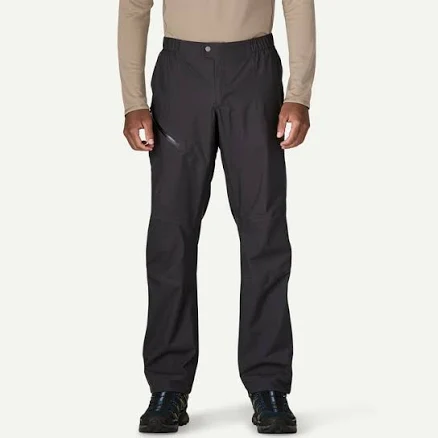
- Nylon with water-repellent coating (water-repellent coating) treatment
- The brand calls it PFAS-free, which we have not verified
- water-repellent coating chemistry (unknown composition)
2 hazards checked on this product, all on its full breakdown.
Find an alternative on Amazon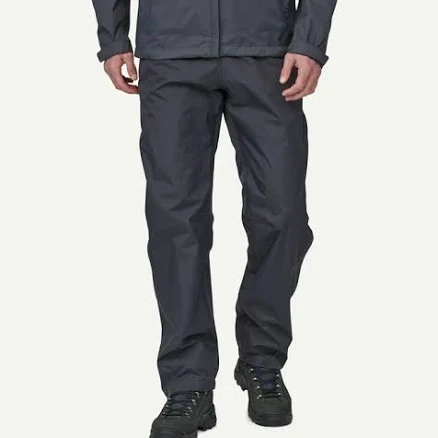
- Nylon with water-repellent coating (water-repellent coating) treatment
- The brand calls it PFAS-free, which we have not verified
- PFAS
3 hazards checked on this product, all on its full breakdown.
Find an alternative on AmazonMore rain pants grades
How we score, every product runs through the same public 0-100 rubric based on materials, coatings, brand disclosure, lab findings, and recalls. See the full methodology → Spotted a mistake? Report an error.