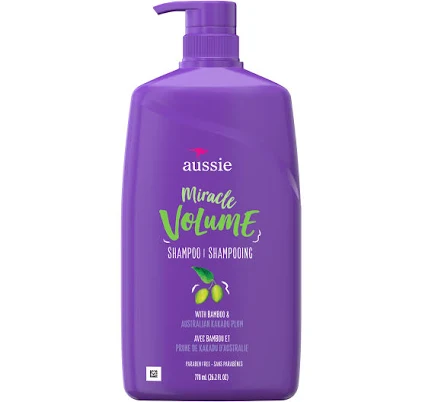
Aussie Miracle Volume Shampoo
Lower concern. Liquid shampoo unlikely to contain intentional PFAS.
Aussie Miracle Volume Shampoo is a rinse-off cosmetic with no known PFAS-associated ingredients or treatments. No brand PFAS disclosure available, but formulation type presents lower risk profile.
We flunk more products than we pass. This one earned its grade. How we grade
Material
aqueous shampoo base, surfactants, botanical extracts
Brand disclosure
Brand is silent on PFAS
Lab data
No public lab test
You may also be interested in
Top-graded picks in the categories readers replace first, every one scored on the same rubric.

- polypropylene filter housing, carbon/sediment cartridge
- We found no PFAS statement from the brand
- Bacterial growth in spent cartridges
3 hazards checked on this product, all on its full breakdown.

Aquasure
Premier Series 75 GPD Under Sink Reverse Osmosis Water Filtration System
- RO membrane, carbon filters, stainless steel housing
- We found no PFAS statement from the brand
- Bacterial and microbial growth in housing and filters
4 hazards checked on this product, all on its full breakdown.

Avocado
Vegan Mattress
- organic cotton, natural latex, coconut coir, recycled steel coils
- The brand calls it PFAS-free, which we have not verified
- Heavy metals
2 hazards checked on this product, all on its full breakdown.
What Aussie Miracle Volume Shampoo is made of, ingredients and materials
Aussie Miracle Volume Shampoo is a water-based surfactant blend with botanical extracts (eucalyptus, tea tree oil derivatives are common in Aussie lines). The primary concern in any shampoo is surfactant purity and impurity content, particularly secondary contaminants like 1,4-dioxane that can arise during manufacturing. Aqueous formulations are inherently lower-risk than rinse-off products with heavy fragrance loads or silicone resins, since most ingredients are diluted and washed away.
What’s concerning
Category baseline
The starting point for this type of product, before anything specific to this product is counted.
No PFAS disclosure
No public statement from the brand about PFAS in this product.
1,4-dioxane (manufacturing contaminant)
Rinsed-off shampoos pose minimal acute risk even if trace 1,4-dioxane is present, since exposure is brief and skin contact is followed by washing. No specific test data for this product is publicly available; the hazard is a general concern in surfactant-based cosmetics rather than a brand-specific issue.
Fragrance allergens and sensitivizers
Aussie products typically contain fragrance blends that may include common allergens (limonene, linalool, citral). Individuals with sensitive scalp or fragrance intolerance may experience contact dermatitis; the botanical branding does not indicate hypoallergenic or fragrance-free formulation.
Formaldehyde / VOCs
Aqueous shampoos may contain preservatives that release trace formaldehyde over time to prevent microbial growth. Rinsed-off products limit exposure, but individuals with formaldehyde sensitivity may react during application or storage in warm bathrooms.
Source, ATSDR ↗Microbial growth (if contaminated or stored improperly)
Water-based formulations are susceptible to bacterial and fungal growth if the bottle is not sealed properly or stored in damp conditions. Consumer-side contamination risk is low if best practices (keep cap sealed, avoid standing water inside nozzle) are followed.
What’s reassuring
Base material not linked to PFAS
The main material recorded for this product is not one associated with PFAS.
Heavy metals
No published safety alerts or recalls document heavy metal contamination in Aussie shampoos. The product is colorless or pale (typical of botanical extracts), reducing the likelihood of synthetic colorant use and associated heavy metal burden.
Source, FDA ↗How is this PFAS grade calculated?
The brand's record and disclosure
Aussie is owned by Procter & Gamble, a large multinational with mixed transparency on cosmetic ingredient sourcing. The brand does not maintain a public hazard or PFAS disclosure statement specific to this product line. P&G has faced historical scrutiny for formulation opacity but complies with FDA cosmetic regulations in the US and equivalent standards in other markets. No major recalls or safety alerts targeting Aussie shampoos have been publicly documented in recent years.
How it compares in its category
Mass-market drugstore shampoos like Aussie typically contain fewer declared active ingredients than premium or specialized brands, which can reduce complexity but does not guarantee lower contamination risk. Aussie positions itself as budget-friendly and widely available, meaning formulation tends toward cost efficiency rather than clean-label sourcing. Compared to fragrance-heavy conditioners or leave-in treatments, rinse-off shampoos present lower dermal exposure and cumulative chemical load.
If you buy it
Use as directed on the label; no special storage conditions are required beyond keeping the bottle sealed and cool. Rinse thoroughly to minimize residue buildup on the scalp. If scalp irritation, itching, or rash develops, discontinue and rinse with water; contact a dermatologist if symptoms persist. Store away from direct heat and sunlight to preserve surfactant stability; replace bottle if separation, odor change, or visible discoloration occurs (typically every 1-2 years even when unopened).
What is not known about PFAS in this product?
- Basis
- Model estimate, 78% confidence, not a lab result
- Lab test
- None on record for this exact product
- Brand statement
- Aussie has made none
Formulations change between production runs, so check the current label. How we grade.
More shampoo grades
How we score, every product runs through the same public 0-100 rubric based on materials, coatings, brand disclosure, lab findings, and recalls. See the full methodology → Spotted a mistake? Report an error.