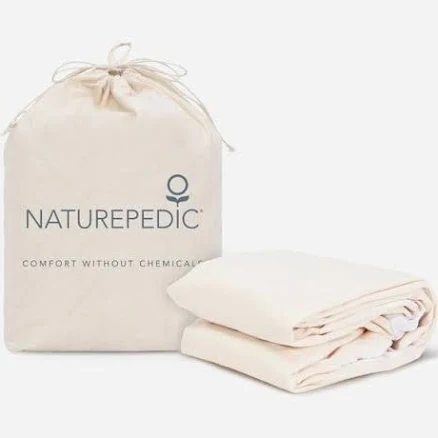
Organic Waterproof Mattress Protector, Is It Non-Toxic?
Avoid until coating composition is disclosed.
This organic mattress protector claims waterproofing but does not specify the coating chemistry or PFAS status. Waterproof textiles commonly rely on fluorinated water-repellent coating finishes.
The better-graded swap
Avocado Green Mattress
Organic Cotton Mattress Cover and Pad Protector
85/100 safety
Same rubric that flunked this product. The swap earned Excellent.
Still want this one anyway? Check the price on Amazon. We’d swap it.
Material
Polyurethane or unspecified polymer waterproof coating on textile
Brand disclosure
Brand is silent on PFAS
Lab data
No public lab test
You may also be interested in
Top-graded picks in the categories readers replace first, every one scored on the same rubric.

- polypropylene filter housing, carbon/sediment cartridge
- We found no PFAS statement from the brand
- Bacterial growth in spent cartridges
3 hazards checked on this product, all on its full breakdown.

Aquasure
Premier Series 75 GPD Under Sink Reverse Osmosis Water Filtration System
- RO membrane, carbon filters, stainless steel housing
- We found no PFAS statement from the brand
- Bacterial and microbial growth in housing and filters
4 hazards checked on this product, all on its full breakdown.

Avocado
Vegan Mattress
- organic cotton, natural latex, coconut coir, recycled steel coils
- The brand calls it PFAS-free, which we have not verified
- Heavy metals
2 hazards checked on this product, all on its full breakdown.
Is Organic Waterproof Mattress Protector non-toxic? What it is made of
The brand's waterproof mattress protector uses a polyurethane or unspecified polymer coating bonded to a textile base to block liquids. Polyurethane itself is not acutely toxic, but the coating's waterproofing mechanism often relies on PFAS (PFAS "forever chemicals") to achieve durability and liquid repellence. Because the brand has not disclosed the specific chemistry of this coating, you cannot verify whether PFAS is present, at what concentration, or whether alternatives like paraffin wax or silicone were used instead.
What’s concerning
Category baseline
The starting point for this type of product, before anything specific to this product is counted.
Vague safety claims only
Uses vague language ("eco-friendly", "clean") without a specific PFAS statement.
Waterproof / stain-resistant treatment
Water-repellent coating treatments have historically used PFAS.
Polyurethane coating degradation and microparticle release
Polyurethane coatings degrade over time, especially with heat, moisture cycling, and flexing. Shedding of coating particles is not well-studied in mattress protectors, but wear over years is visible and suggests potential inhalation or ingestion of microparticles in a sleep environment.
Volatile Organic Compounds (VOCs) off-gassing
New polyurethane-coated textiles commonly off-gas residual solvents and monomers (including MDI, TDI, or other isocyanates) in the first weeks to months. The brand does not publish VOC testing or off-gassing data; users may experience odor or respiratory irritation during initial use.
Formaldehyde / VOCs
The textile backing may contain formaldehyde-based finishing resins for wrinkle resistance or crease-setting, even if labeled organic. The brand's organic claim typically covers fiber content but not all processing chemicals; disclosure of finishing resins is absent.
Source, ATSDR ↗Azo dyes in textile dyeing
If the textile is dyed before coating, it may contain azo dyes, some of which can break down into aromatic amines under conditions of heat, moisture, or microbial activity. No specific testing for restricted azo dyes is disclosed by the brand.
What’s reassuring
Coating permeability and moisture trapping
Waterproof coatings that are too impermeable can trap moisture between the protector and mattress, promoting mold and dust mite growth; however, this is a use-dependent issue rather than a chemical hazard intrinsic to this product.
How is this PFAS grade calculated?
The brand's record and disclosure
The brand maintains a largely silent stance on PFAS and does not publicly disclose waterproof coating composition on product pages or safety documents reviewed. The brand holds certifications such as GOLS (Global Organic Latex Standard) for its mattress core, but this does not extend to synthetic coatings. No formal PFAS testing results, third-party verification, or commitment to PFAS phase-out have been announced, which is a red flag in an industry where competitors are increasingly transparent about these chemicals.
How it compares in its category
Most waterproof mattress protectors rely on polyurethane or PVC with PFAS-based water-repellent finishes. A growing subset of brands (e.g., Helix, some Naturepedic lines) now disclose PFAS-free or PFAS-reduced alternatives using wax, silicone, or paraffin coatings. The brand's refusal to specify places it in the lower-transparency tier of the market, despite its organic marketing positioning. Budget protectors without disclosure are common, but at the brand's price point, disclosure is a reasonable expectation.
If you buy it
Avoid exposing the protector to heat above 140°F (60°C) in washing or drying, as this can degrade the coating and potentially release polymer particles or residual monomers. Wash separately in cool water with mild detergent, and air-dry to preserve the waterproof layer. Replace the protector every 3 to 5 years or if the coating develops visible cracks, peeling, or loss of water resistance. Store in a cool, dry location; do not expose to direct sunlight for extended periods, as UV can accelerate coating breakdown.
What is not known about PFAS in this product?
- Basis
- Model estimate, 45% confidence, not a lab result
- Lab test
- None on record for this exact product
- Brand statement
- has made none
Formulations change between production runs, so check the current label. How we grade.
What are the PFAS-free alternatives to Organic Waterproof Mattress Protector?
- organic cotton
- We found no PFAS statement from the brand
- No PFAS statement found from the brand
- Organic cotton
- We found no PFAS statement from the brand
- Waterproofing chemical exposure
2 hazards checked on this product, all on its full breakdown.
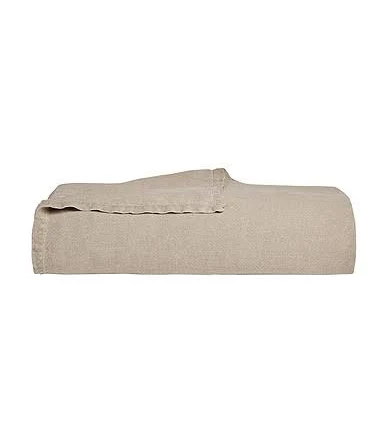
- 100% linen, no reported coating
- We found no PFAS statement from the brand
- Heavy metals
3 hazards checked on this product, all on its full breakdown.
More mattress protectors grades
How we score, every product runs through the same public 0-100 rubric based on materials, coatings, brand disclosure, lab findings, and recalls. See the full methodology → Spotted a mistake? Report an error.