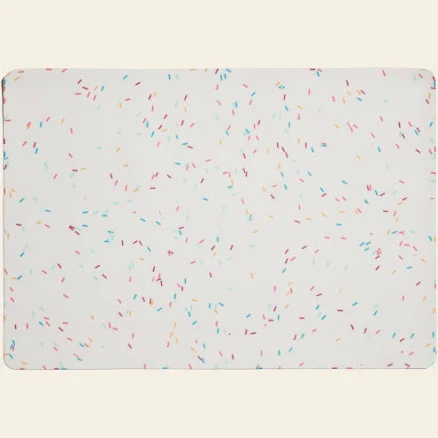
GIR · Parchment Paper & Baking Liners
GIR Baking Mat
Coating details undisclosed; silicone mats may or may not contain PFAS.
GIR applies a proprietary silicone coating but withholds details about its composition and PFAS content. The specific coating formula remains a mystery.
The better-graded swap
If You Care
If You Care Baking Paper, Parchment, 70 Square Feet
90/100 safety
Same rubric that flunked this product. The swap earned Excellent.
Still want this one anyway? Check the price on Amazon. We’d swap it.
Material
silicone-based coating on fabric/fiberglass (unspecified)
Brand disclosure
Brand is silent on PFAS
Lab data
No public lab test
You may also be interested in
Top-graded picks in the categories readers replace first, every one scored on the same rubric.

- polypropylene filter housing, carbon/sediment cartridge
- We found no PFAS statement from the brand
- Bacterial growth in spent cartridges
3 hazards checked on this product, all on its full breakdown.

Aquasure
Premier Series 75 GPD Under Sink Reverse Osmosis Water Filtration System
- RO membrane, carbon filters, stainless steel housing
- We found no PFAS statement from the brand
- Bacterial and microbial growth in housing and filters
4 hazards checked on this product, all on its full breakdown.

Avocado
Vegan Mattress
- organic cotton, natural latex, coconut coir, recycled steel coils
- The brand calls it PFAS-free, which we have not verified
- Heavy metals
2 hazards checked on this product, all on its full breakdown.
What GIR Baking Mat is made of, ingredients and materials
GIR's baking mat uses a silicone-based coating bonded to a fabric or fiberglass substrate. Baking Steel does not publicly disclose the exact silicone formulation, resin type in the substrate, or whether the silicone contains Teflon-type coating or other fluorinated additives. Silicone itself is generally considered inert at normal baking temperatures (up to 500F), but degradation risk and leaching behavior depend on the binder chemistry and cure quality, which remain opaque.
What’s concerning
Category baseline
The starting point for this type of product, before anything specific to this product is counted.
No PFAS disclosure
No public statement from the brand about PFAS in this product.
Non-stick, chemistry undisclosed
Marketed as non-stick without stating the coating chemistry.
Silicone coating degradation and leaching
Silicone bonded to fabric can degrade at high heat or with age, potentially releasing oligomers or uncrosslinked resin fragments into food. No published data on GIR's specific formulation or durability threshold.
Teflon-type coating or fluorinated additives in silicone
Some silicone non-stick coatings incorporate Teflon-type coating or other fluorochemicals for improved release; Baking Steel does not disclose whether GIR contains these. If present, heating above 400F could generate fumes, though silicone-bound Teflon-type coating is typically more stable than pure Teflon-type coating cookware.
Volatile organic compounds (VOCs) or off-gassing
Cured silicone and fabric resins may release low levels of residual solvents or monomers during initial use or heating. Intensity depends on cure process and material age; proper ventilation during first few uses mitigates exposure.
Lack of food-contact compliance certification
GIR carries no published FDA, NSF, or equivalent third-party safety certification for food-contact use. This does not prove the product is unsafe, but it means no independent verification of migration limits or material purity.
What’s reassuring
Fiberglass substrate shedding
If the mat's substrate is fiberglass, micro-fragmentation could occur if the silicone coating cracks or peels with age, risking inhalation or food contamination. No reported incidents for this product, but fiberglass durability is material-dependent.
How is this PFAS grade calculated?
The brand's record and disclosure
Baking Steel has not published material safety data sheets, third-party certifications (FDA, NSF), or PFAS testing results for this product. The brand's website marketing emphasizes non-stick performance but does not address chemical composition or safety testing. No major recalls or adverse event reports are on record for this specific mat, though lack of disclosure does not indicate safety, it reflects a gap in transparency.
How it compares in its category
Silicone baking mats are common; some competitors (Artisan, Silpat) publish FDA food-contact compliance or third-party safety certs, while others do not. GIR's positioning as a premium product does not correlate with deeper disclosure than budget alternatives. Cloth-silicone mats sit between rigid silicone (higher heat tolerance, clearer chemistry) and parchment paper (disposable, no leaching risk but waste).
If you buy it
Do not exceed the stated heat limit (check packaging; silicone mats typically max at 480-500F). Hand wash in warm soapy water; avoid bleach or abrasive scrubbing, which can degrade the coating over time. Replace the mat every 1-2 years or if the silicone surface shows peeling, cracks, or sticky residue. If you notice off-gassing odor during first use, ventilate well and wipe with a damp cloth before using for food.
What is not known about PFAS in this product?
- Basis
- Model estimate, 35% confidence, not a lab result
- Lab test
- None on record for this exact product
- Brand statement
- GIR has made none
Formulations change between production runs, so check the current label. How we grade.
What are the PFAS-free alternatives to GIR Baking Mat?
- silicone-coated parchment paper
- The brand calls it PFAS-free, which we have not verified
- Paper degradation and particulate shedding
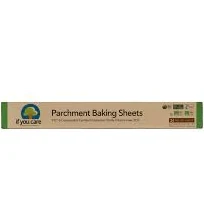
- unbleached paper with silicone coating
- The brand calls it PFAS-free, which we have not verified
- Silicone coating degradation at high heat
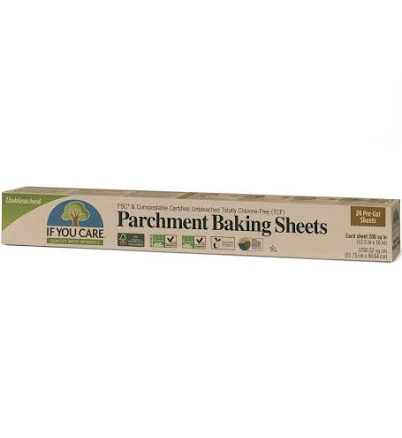
- bleached paper with silicone coating
- The brand calls it PFAS-free, which we have not verified
- Paper degradation and fragmentation
More parchment paper & baking liners grades
How we score, every product runs through the same public 0-100 rubric based on materials, coatings, brand disclosure, lab findings, and recalls. See the full methodology → Spotted a mistake? Report an error.