· Parchment Paper & Baking Liners
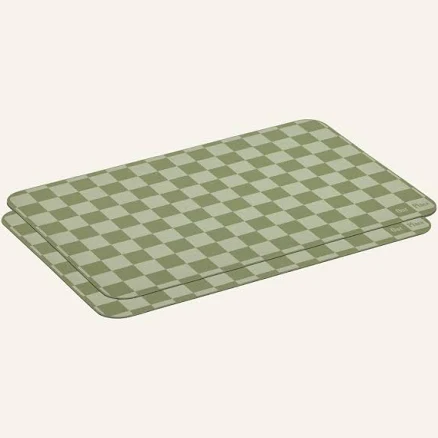
Oven Mats
Skip due to unclear coating material and missing PFAS information.
This steel oven mat lacks details about its nonstick or protective coating type. Without lab testing or brand explanation, you cannot know if PFAS is present.
The better-graded swap
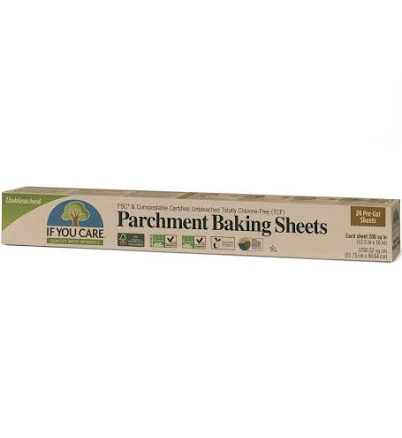
If You Care
If You Care Parchment Baking Sheets
90/100 safety
Same rubric that flunked this product. The swap earned Excellent.
Still want this one anyway? Check the price on Amazon. We’d swap it.
Material
steel with unspecified nonstick or silicone coating
Brand disclosure
Brand is silent on PFAS
Lab data
No public lab test
You may also be interested in
Top-graded picks in the categories readers replace first, every one scored on the same rubric.

- polypropylene filter housing, carbon/sediment cartridge
- We found no PFAS statement from the brand
- Bacterial growth in spent cartridges
3 hazards checked on this product, all on its full breakdown.

Aquasure
Premier Series 75 GPD Under Sink Reverse Osmosis Water Filtration System
- RO membrane, carbon filters, stainless steel housing
- We found no PFAS statement from the brand
- Bacterial and microbial growth in housing and filters
4 hazards checked on this product, all on its full breakdown.

Avocado
Vegan Mattress
- organic cotton, natural latex, coconut coir, recycled steel coils
- The brand calls it PFAS-free, which we have not verified
- Heavy metals
2 hazards checked on this product, all on its full breakdown.
What Oven Mats is made of, ingredients and materials
The brand's oven mats are steel substrates with an unidentified nonstick or silicone topcoat. The coating composition is not publicly disclosed, which is the core safety issue, nonstick coatings can be either Teflon-family coating-based (Teflon-type coating-family, PFAS-prone) or silicone-based (generally lower risk), and the brand does not specify which. Steel itself is inert, but the coating is where hazard concentrates.
What’s concerning
Category baseline
The starting point for this type of product, before anything specific to this product is counted.
No PFAS disclosure
No public statement from the brand about PFAS in this product.
Non-stick, chemistry undisclosed
Marketed as non-stick without stating the coating chemistry.
Teflon-type coating fume risk (thermal decomposition)
If coating is Teflon-type coating-based, overheating above 500F can release fluorinated gases. The brand does not disclose coating type, so Teflon-type coating presence cannot be ruled out. Risk is low under normal baking but real if temperature limits are exceeded.
Coating degradation and microparticle release
Any polymer coating (Teflon-type coating, silicone, or polyester) can flake or chip with age or mechanical stress. Steel substrate underneath will then leach iron or rust; coating fragments may contaminate food. No long-term durability data provided by manufacturer.
Silicone off-gassing (if coating is silicone-based)
Silicone coatings can release volatile organic compounds (VOCs) at elevated temperatures, producing odor and potential low-level lung irritation in poorly ventilated kitchens. This is a known risk class for silicone bakeware, though severity is generally mild.
Lack of food-contact certification
The brand makes no claim of FDA food-contact compliance or NSF certification for these mats. While steel with intact coatings rarely poses direct food-contact hazard under normal use, absence of certification complicates assessment of coating safety standards.
What’s reassuring
Aluminum leaching (if coating contains aluminum filler)
No public information suggests aluminum filler in oven mat coatings. Steel substrate does not leach aluminum. This hazard is noted but has no identified basis for this product.
How is this PFAS grade calculated?
The brand's record and disclosure
The brand has no published safety documentation, third-party certifications (FDA food-contact, NSF, or independent testing), or public statement on PFAS content or coating chemistry. This silence is unusual for a cookware accessory brand and suggests either lack of transparency or reliance on assumed regulatory compliance. No recalls or safety complaints are on record for this specific product line.
How it compares in its category
Oven mat alternatives include silicone mats (usually PFAS-free but prone to off-gassing at high heat), parchment paper (cellulose-based, single-use), and branded Teflon-type coating mats that explicitly disclose coating type. The brand's refusal to specify coating places it in a middle ground, potentially lower concern than Teflon-type coating-heavy alternatives, but harder to assess than transparent competitors like OXO or Silpat.
If you buy it
Contact directly to request coating composition and PFAS status before use; do not assume safety from silence. Follow manufacturer temperature guidance strictly (typically 400-500F max for most coatings). Inspect mats regularly for chips, peeling, or discoloration; replace immediately if coating degrades. Do not use in direct contact with acidic foods or under broiler, which accelerate coating breakdown.
What is not known about PFAS in this product?
- Basis
- Model estimate, 35% confidence, not a lab result
- Lab test
- None on record for this exact product
- Brand statement
- has made none
Formulations change between production runs, so check the current label. How we grade.
What are the PFAS-free alternatives to Oven Mats?
- silicone-coated parchment paper
- The brand calls it PFAS-free, which we have not verified
- Paper degradation and particulate shedding
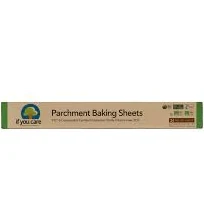
- unbleached paper with silicone coating
- The brand calls it PFAS-free, which we have not verified
- Silicone coating degradation at high heat
- bleached paper with silicone coating
- The brand calls it PFAS-free, which we have not verified
- Paper degradation and fragmentation
More parchment paper & baking liners grades
How we score, every product runs through the same public 0-100 rubric based on materials, coatings, brand disclosure, lab findings, and recalls. See the full methodology → Spotted a mistake? Report an error.