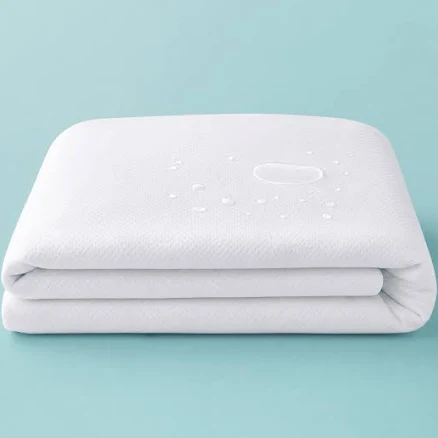
Water Proof Mattress Protector, Is It Non-Toxic?
Skip until brand discloses coating chemistry or provides PFAS testing.
This waterproof mattress protector relies on a water-resistant coating but provides no public disclosure about PFAS use or avoidance. Waterproof textiles frequently use fluorochemical water-repellent coating treatments.
The better-graded swap
Avocado Green Mattress
Organic Cotton Mattress Cover and Pad Protector
85/100 safety
Same rubric that flunked this product. The swap earned Excellent.
Still want this one anyway? Check the price on Amazon. We’d swap it.
Material
Polyester/polyurethane fabric with waterproof coating (unspecified chemistry)
Brand disclosure
Brand is silent on PFAS
Lab data
No public lab test
You may also be interested in
Top-graded picks in the categories readers replace first, every one scored on the same rubric.

- polypropylene filter housing, carbon/sediment cartridge
- We found no PFAS statement from the brand
- Bacterial growth in spent cartridges
3 hazards checked on this product, all on its full breakdown.

Aquasure
Premier Series 75 GPD Under Sink Reverse Osmosis Water Filtration System
- RO membrane, carbon filters, stainless steel housing
- We found no PFAS statement from the brand
- Bacterial and microbial growth in housing and filters
4 hazards checked on this product, all on its full breakdown.

Avocado
Vegan Mattress
- organic cotton, natural latex, coconut coir, recycled steel coils
- The brand calls it PFAS-free, which we have not verified
- Heavy metals
2 hazards checked on this product, all on its full breakdown.
Is Water Proof Mattress Protector non-toxic? What it is made of
The brand's protector uses a polyester/polyurethane laminate with an unspecified waterproof coating, a common construction in this category. Polyurethane fabrics are inherently water-resistant but often rely on chemical coatings (frequently Teflon-type coating or wax-based) to achieve true waterproofing. The coating chemistry is the critical unknown here. Polyurethane itself can off-gas volatile organic compounds (VOCs) during manufacturing and early use, especially in warm or humid environments.
What’s concerning
Category baseline
The starting point for this type of product, before anything specific to this product is counted.
No PFAS disclosure
No public statement from the brand about PFAS in this product.
Waterproof / stain-resistant treatment
Water-repellent coating treatments have historically used PFAS.
VOC off-gassing from polyurethane base and unspecified coating
Polyurethane mattress fabrics and their chemical coatings routinely emit volatile organic compounds, particularly formaldehyde and toluene, in the first weeks of use. The brand does not publish VOC testing data or list coating components, so magnitude cannot be assessed. Ventilation reduces exposure risk significantly.
Coating degradation and leaching over time
Waterproof coatings on polyurethane fabrics commonly degrade with repeated washing, heat exposure, and flexing over 3 to 5 years. As coating breaks down, fragments may shed into bedding or contact skin. This product offers no transparency on coating durability or what compounds may leach when coating fails.
Formaldehyde / VOCs
Polyester components in textile laminates sometimes use formaldehyde-based resins or durable-press finishes, though less common in modern mattress protectors. No certifications (Oeko-Tex, GOTS) listed for the brand's product to rule this out. Contact with skin during sleep prolongs exposure if present.
Source, ATSDR ↗Phthalates
Some polyurethane waterproof coatings historically used phthalate plasticizers, though modern formulations often avoid them. The brand does not disclose coating type, so phthalate presence cannot be ruled out. Direct skin contact (face, neck) during sleep poses greatest concern if present.
Source, ATSDR ↗What’s reassuring
Microplastic shedding from synthetic fabric
Polyester fabrics shed microplastics with age and washing, though the magnitude for a protected, non-abraded mattress protector is minimal compared to active wear. No specific data exists for the brand's fabric durability or shedding rate. Risk is low if protector remains intact.
How is this PFAS grade calculated?
The brand's record and disclosure
The brand has not publicly disclosed the chemistry of its waterproof coating or provided independent PFAS testing results. The brand's silent stance on PFAS and coating composition is a red flag in an industry where major competitors (Saatva, Purple, Helix) now openly avoid PFAS-based treatments or certify their coatings. No recalls or documented safety violations are on record for this specific product, but lack of transparency is itself a liability indicator for a product worn in direct contact with skin during sleep.
How it compares in its category
Mattress protectors with disclosed, PFAS-free waterproofing (polyol-based or mechanical weaves) are now widely available at similar price points. The brand's lack of certification or disclosure puts it below brands offering Oeko-Tex, GOTS, or STANDARD 100 certifications. This protector is not unique in its construction but lags in transparency, making it a higher-risk choice for consumers prioritizing chemical disclosure.
If you buy it
Air out the protector for 24 to 48 hours before placing it on the mattress to allow VOC off-gassing. Wash before first use in warm (not hot) water with mild detergent; hot water may compromise the coating durability. Inspect seams and coating annually for degradation, peeling, or discoloration, which can indicate breakdown of the waterproof layer and increased leaching risk. Replace every 3 to 5 years, or sooner if coating visibly deteriorates.
What is not known about PFAS in this product?
- Basis
- Model estimate, 35% confidence, not a lab result
- Lab test
- None on record for this exact product
- Brand statement
- has made none
Formulations change between production runs, so check the current label. How we grade.
What are the PFAS-free alternatives to Water Proof Mattress Protector?
- organic cotton
- We found no PFAS statement from the brand
- No PFAS statement found from the brand
- Organic cotton
- We found no PFAS statement from the brand
- Waterproofing chemical exposure
2 hazards checked on this product, all on its full breakdown.
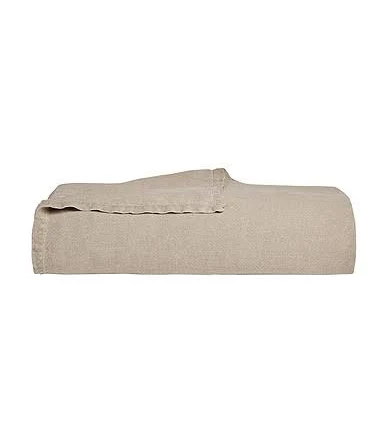
- 100% linen, no reported coating
- We found no PFAS statement from the brand
- Heavy metals
3 hazards checked on this product, all on its full breakdown.
More mattress protectors grades
How we score, every product runs through the same public 0-100 rubric based on materials, coatings, brand disclosure, lab findings, and recalls. See the full methodology → Spotted a mistake? Report an error.