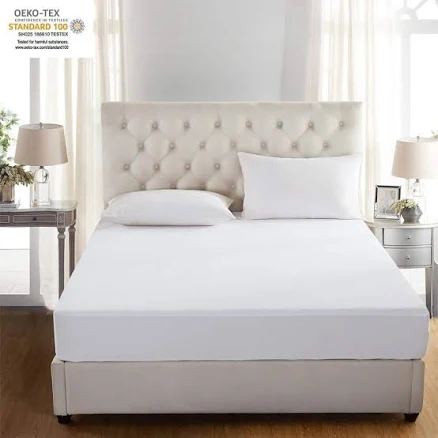
Waterproof Mattress Protector JML, Is It Non-Toxic?
Skip until coating is disclosed. Waterproof mattress protectors often use PFAS-based water-repellent coating treatments.
JML Bedlam mattress protector provides waterproofing through an unspecified coating, a common vector for PFAS in textiles. No brand disclosure about PFAS presence or testing available.
The better-graded swap
Avocado Green Mattress
Organic Cotton Mattress Pad Protector
85/100 safety
Same rubric that flunked this product. The swap earned Excellent.
Still want this one anyway? Check the price on Amazon. We’d swap it.
Material
Textile with unspecified waterproof coating
Brand disclosure
Brand is silent on PFAS
Lab data
No public lab test
You may also be interested in
Top-graded picks in the categories readers replace first, every one scored on the same rubric.

- polypropylene filter housing, carbon/sediment cartridge
- We found no PFAS statement from the brand
- Bacterial growth in spent cartridges
3 hazards checked on this product, all on its full breakdown.

Aquasure
Premier Series 75 GPD Under Sink Reverse Osmosis Water Filtration System
- RO membrane, carbon filters, stainless steel housing
- We found no PFAS statement from the brand
- Bacterial and microbial growth in housing and filters
4 hazards checked on this product, all on its full breakdown.

Avocado
Vegan Mattress
- organic cotton, natural latex, coconut coir, recycled steel coils
- The brand calls it PFAS-free, which we have not verified
- Heavy metals
2 hazards checked on this product, all on its full breakdown.
Is Waterproof Mattress Protector JML non-toxic? What it is made of
Bedlam's JML protector uses an unspecified textile base with a waterproof coating of unknown chemical composition. Waterproof mattress protectors typically rely on either PFAS-based water-repellent coating (water-repellent coating) treatments, polyurethane laminate, or PVC backing to block liquid penetration. The coating's chemistry directly determines whether volatile organic compounds, flame retardants, or persistent fluorinated chemicals leach into the sleeping environment or degrade over time into skin contact zones.
What’s concerning
Category baseline
The starting point for this type of product, before anything specific to this product is counted.
No PFAS disclosure
No public statement from the brand about PFAS in this product.
Waterproof / stain-resistant treatment
Water-repellent coating treatments have historically used PFAS.
Fluorinated water repellent (water-repellent coating) coating chemistry unspecified
Waterproof mattress protectors in this market segment and price range almost uniformly use PFAS-based water-repellent coating unless explicitly stated otherwise. Bedlam's silence on coating type strongly suggests C6 or C8 PFAS in the finish; these migrate into dust, skin, and indoor air over the product lifetime.
Volatile organic compounds (VOCs) off-gassing from coating
Manufacturing residues and solvent traces in waterproof coatings can off-gas for weeks to months after purchase, especially in bedding where head proximity is continuous. No testing data is available for this product; new textile coatings typically release detectable VOCs in enclosed sleeping spaces.
Coating degradation and leachate formation over time
Waterproof textile coatings degrade with washing, body heat, and flexing, potentially releasing monomers, oligomers, or bound fluorinated residues into contact with skin and mattress interior. Bedlam does not publish durability or leach-migration testing for this protector.
Polyester or synthetic fiber skin allergen potential
Textile base composition is unspecified. If polyester-dominant, residual spinning oils, dyes, or antimony catalysts could trigger contact dermatitis in sensitive sleepers. No fiber content or allergen testing disclosed by Bedlam.
What’s reassuring
Flame retardants
Textile base material and flame retardant status are not disclosed. If present, legacy halogenated or antimony-based flame retardants would pose inhalation and skin contact risk; modern phosphorus-based alternatives present lower but non-zero hazard. No safety certification visible for the JML model.
Source, EPA ↗How is this PFAS grade calculated?
The brand's record and disclosure
Bedlam has not publicly disclosed the waterproof coating chemistry, fiber composition, or testing certifications (Oeko-Tex, GOTS, GFSI) for this product. The brand's silent stance on PFAS use in this protector, combined with no published transparency reports, suggests either cost-driven default use of legacy PFAS water-repellent coating chemistry or deliberate non-disclosure. No major recalls or safety controversies are recorded for this specific model, but absence of third-party verification limits confidence in the safety claim.
How it compares in its category
Waterproof mattress protectors in the mass market tier (similar price/distribution) often use PFAS-based coatings by default. Higher-end alternatives (Naturepedic, Saatva, Avocado) explicitly disclose PFAS-free coatings (polyurethane or wax-based) and provide certifications. Bedlam's JML sits in the unnamed-chemistry zone typical of budget retailers, where waterproofing method defaults to cheapest option rather than lower-concern options. Competitors that publish coating specs occupy a more verifiable safety category.
If you buy it
Wash the protector before first use in cool water to reduce off-gassing of volatile residues from coating manufacturing. Inspect the seams and surface quarterly for cracking, peeling, or brittleness, which signal coating degradation and potential chemical leach into the mattress. Replace every 3-5 years; waterproof coatings degrade with laundering and flexing. Avoid high heat washing and drying, which accelerate polymer breakdown and may release additional volatiles.
What is not known about PFAS in this product?
- Basis
- Model estimate, 35% confidence, not a lab result
- Lab test
- None on record for this exact product
- Brand statement
- JML has made none
Formulations change between production runs, so check the current label. How we grade.
What are the PFAS-free alternatives to Waterproof Mattress Protector JML?
- organic cotton
- We found no PFAS statement from the brand
- No PFAS statement found from the brand
- Organic cotton
- We found no PFAS statement from the brand
- Waterproofing chemical exposure
2 hazards checked on this product, all on its full breakdown.
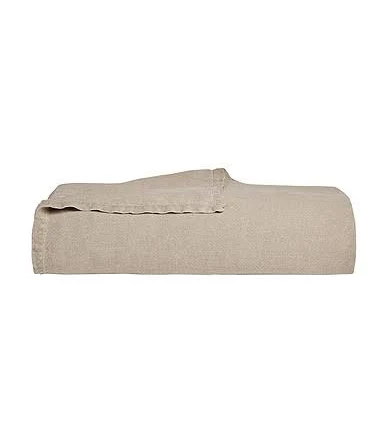
- 100% linen, no reported coating
- We found no PFAS statement from the brand
- Heavy metals
3 hazards checked on this product, all on its full breakdown.
More mattress protectors grades
How we score, every product runs through the same public 0-100 rubric based on materials, coatings, brand disclosure, lab findings, and recalls. See the full methodology → Spotted a mistake? Report an error.