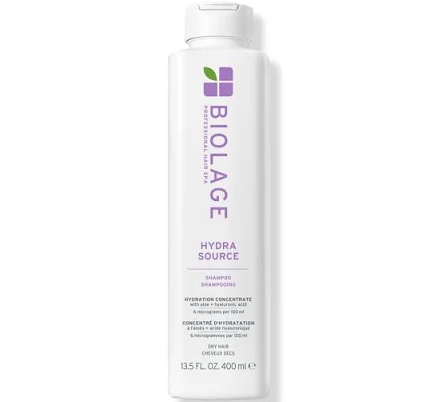
Biolage HydraSource Shampoo Matrix
Lower PFAS concern; liquid cosmetics rarely require fluorinated treatments.
This water-based shampoo contains no known Teflon-family coating coatings or water-repellent treatments that would require PFAS. The brand makes no PFAS claims either way.
We flunk more products than we pass. This one earned its grade. How we grade
Material
aqueous shampoo formulation (water, surfactants, conditioning agents)
Brand disclosure
Brand is silent on PFAS
Lab data
No public lab test
You may also be interested in
Top-graded picks in the categories readers replace first, every one scored on the same rubric.

- polypropylene filter housing, carbon/sediment cartridge
- We found no PFAS statement from the brand
- Bacterial growth in spent cartridges
3 hazards checked on this product, all on its full breakdown.

Aquasure
Premier Series 75 GPD Under Sink Reverse Osmosis Water Filtration System
- RO membrane, carbon filters, stainless steel housing
- We found no PFAS statement from the brand
- Bacterial and microbial growth in housing and filters
4 hazards checked on this product, all on its full breakdown.

Avocado
Vegan Mattress
- organic cotton, natural latex, coconut coir, recycled steel coils
- The brand calls it PFAS-free, which we have not verified
- Heavy metals
2 hazards checked on this product, all on its full breakdown.
What Biolage HydraSource Shampoo Matrix is made of, ingredients and materials
Biolage HydraSource is a water-based shampoo formulation containing anionic surfactants (cleaning agents), conditioning polymers, and humectants designed to retain moisture. The product contains no ceramic, enamel, or metal cookware components that would risk lead or cadmium leaching. As a rinse-off cosmetic applied briefly to hair and scalp before thorough water removal, dermal contact duration and absorption potential are minimal compared to leave-on products.
What’s concerning
Category baseline
The starting point for this type of product, before anything specific to this product is counted.
No PFAS disclosure
No public statement from the brand about PFAS in this product.
1,4-dioxane (manufacturing contaminant)
Surfactants in shampoos are ethoxylated and may carry trace 1,4-dioxane as a byproduct. Biolage does not disclose whether final product testing or purification occurs. Dermal absorption through intact scalp skin is low; rinse-off use further reduces exposure.
Formaldehyde / VOCs
Some shampoo preservatives (e.g., imidazolidinyl urea) release formaldehyde in small amounts over time. Biolage's ingredient list is not fully disclosed in public sources; Matrix does not highlight preservative choice. Brief scalp contact and rinsing minimize risk compared to leave-on products.
Source, ATSDR ↗Fragrance allergens (undisclosed components)
Biolage HydraSource contains fragrance, and fragrance ingredients in cosmetics are commonly undisclosed due to trade secret protections. Scalp and hair contact may trigger sensitization in individuals with fragrance sensitivities; patch testing is recommended for sensitive skin.
Microbial contamination if stored improperly
Liquid shampoos are water-based and can support bacterial or fungal growth if exposed to moisture, warm temperatures, or left open. Proper closure and storage prevent this risk; use within manufacturer's shelf-life window.
What’s reassuring
Base material not linked to PFAS
The main material recorded for this product is not one associated with PFAS.
Heavy metals
No published recalls or safety alerts for Biolage HydraSource involving lead, cadmium, or other heavy metals in pigments or opacifying agents. Industry-standard regulatory oversight of cosmetic colorants (FDA oversight in the US) applies.
Source, FDA ↗How is this PFAS grade calculated?
The brand's record and disclosure
Matrix (Biolage parent company) does not publicly disclose detailed ingredient safety protocols or third-party certifications for this product line. No major recalls or safety controversies are on record for Biolage HydraSource shampoos. The brand's silence on PFAS use reflects a broader industry norm for rinse-off cosmetics, which are not required to contain water-repellent fluorinated compounds.
How it compares in its category
Biolage HydraSource occupies the mid-market salon shampoo segment. It is comparable in formulation transparency and safety profile to peer brands (Redken, Pantene, SheaMoisture) that do not disclose advanced testing but carry similarly clean safety records. Unlike premium or specialty brands, it lacks third-party certifications (EWG, Leaping Bunny) that some consumers prioritize.
If you buy it
Use as directed, wet hair, apply, massage scalp for 1-2 minutes, rinse thoroughly with water. Store in a cool, dry place away from direct heat or sunlight to prevent ingredient degradation. Replace when empty or if product separates, discolors, or develops odor, which may signal bacterial growth or formulation breakdown. No special precautions are needed beyond standard hygiene (do not ingest, avoid eye contact).
What is not known about PFAS in this product?
- Basis
- Model estimate, 72% confidence, not a lab result
- Lab test
- None on record for this exact product
- Brand statement
- Biolage has made none
Formulations change between production runs, so check the current label. How we grade.
More shampoo grades
How we score, every product runs through the same public 0-100 rubric based on materials, coatings, brand disclosure, lab findings, and recalls. See the full methodology → Spotted a mistake? Report an error.