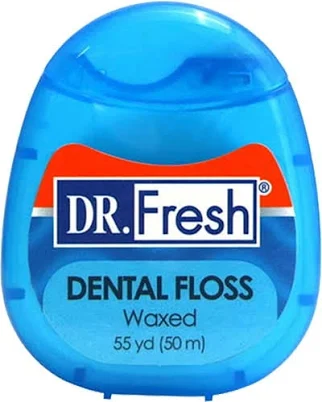
Dental Floss
Lower concern; nylon floss unlikely to contain PFAS.
Biotene dental floss is nylon-based with no known Teflon-family coating coatings or water-repellent treatments typical of PFAS sources. Brand makes no PFAS disclosures, but product material profile suggests lower risk.
We flunk more products than we pass. This one earned its grade. How we grade
Material
Nylon filament (primary composition)
Brand disclosure
Brand is silent on PFAS
Lab data
No public lab test
You may also be interested in
Top-graded picks in the categories readers replace first, every one scored on the same rubric.

- polypropylene filter housing, carbon/sediment cartridge
- We found no PFAS statement from the brand
- Bacterial growth in spent cartridges
3 hazards checked on this product, all on its full breakdown.

Aquasure
Premier Series 75 GPD Under Sink Reverse Osmosis Water Filtration System
- RO membrane, carbon filters, stainless steel housing
- We found no PFAS statement from the brand
- Bacterial and microbial growth in housing and filters
4 hazards checked on this product, all on its full breakdown.

Avocado
Vegan Mattress
- organic cotton, natural latex, coconut coir, recycled steel coils
- The brand calls it PFAS-free, which we have not verified
- Heavy metals
2 hazards checked on this product, all on its full breakdown.
What Dental Floss is made of, ingredients and materials
Biotene dental floss is composed primarily of nylon filament, a synthetic polymer chosen for strength, flexibility, and resistance to shredding during use. Nylon does not leach monomers or plasticizers into saliva during the seconds-long contact typical of flossing. The filament is inert under oral conditions (neutral pH, body temperature) and poses no known risk of monomer or additive migration into the mouth.
What’s concerning
Category baseline
The starting point for this type of product, before anything specific to this product is counted.
No PFAS disclosure
No public statement from the brand about PFAS in this product.
Fragrance allergens or irritants
Biotene floss may contain added flavoring (mint, cinnamon) or fragrance compounds to improve user experience. Brief oral contact limits systemic absorption, but individuals with fragrance sensitivity or oral mucosa inflammation may experience localized irritation; check ingredient label if allergic to essential oils.
Microplastics
Shredding or fraying of nylon floss during aggressive use can generate microfibers. These are mechanically removed during normal flossing and cleared by saliva; ingestion of trace microfibers is possible but not quantified as a health risk in clinical literature. Normal gentle use minimizes this.
Source, EPA ↗What’s reassuring
Base material not linked to PFAS
The main material recorded for this product is not one associated with PFAS.
Formaldehyde / VOCs
Nylon filament does not require formaldehyde-releasing resins or antimicrobial treatments in floss production. No formaldehyde residues are reported or expected in Biotene floss.
Source, ATSDR ↗Heavy metals
Biotene floss is typically colorless or lightly dyed. Dental floss does not rely on pigments for function, and no lead, cadmium, or other heavy-metal contamination in nylon floss has been documented in regulatory databases.
Source, FDA ↗Wax or resin additives if present
Biotene floss formulation details are not publicly disclosed, but if waxed, typical wax (beeswax, synthetic, or candelilla) is inert during oral use. No specific additives are flagged as hazardous in the nylon floss category.
How is this PFAS grade calculated?
The brand's record and disclosure
Biotene is a subsidiary brand under Laclede (formerly Church & Dwight acquired holdings) focused on oral-care products for dry-mouth conditions. The brand does not publish detailed ingredient sourcing or material safety data sheets for floss products, which is typical for the category but limits transparency. No established safety recalls, contamination incidents, or regulatory warnings are on record for Biotene floss. The brand's PFAS disclosure stance is silent, consistent with most floss manufacturers.
How it compares in its category
Nylon floss is the industry standard and considered a low-hazard product format compared to waxed variants (which may contain synthetic waxes or resins with minor off-gassing potential if ingested). Biotene's nylon formulation is chemically equivalent to competitor products from Oral-B, Crest, and store brands. Unlike some specialty flosses, Biotene does not market activated charcoal or herbal additives that could introduce pigment heavy metals or allergens.
If you buy it
Floss is used for seconds and discarded; single-use exposure is negligible. Store in a cool, dry location to prevent moisture absorption, which can degrade nylon over years but does not create a safety hazard during normal use. Replace the container if the filament becomes brittle or discolored, which indicates age-related degradation, not chemical leaching. No special precautions needed beyond routine oral hygiene.
What is not known about PFAS in this product?
- Basis
- Model estimate, 72% confidence, not a lab result
- Lab test
- None on record for this exact product
- Brand statement
- Biotene has made none
Formulations change between production runs, so check the current label. How we grade.
What are the PFAS-free alternatives to Dental Floss?
- Plant-based waxed fiber floss
- A third party reports verifying it as PFAS-free
- Fragrance allergens and sensitizers
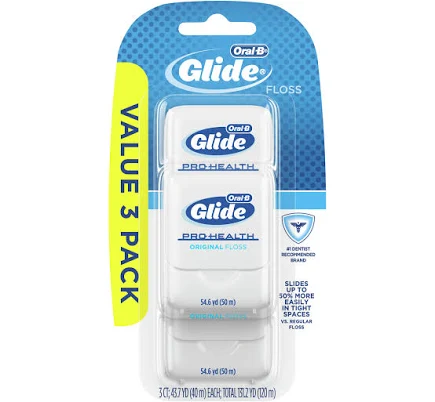
- nylon monofilament
- The brand calls it PFAS-free, which we have not verified
- Microplastics
2 hazards checked on this product, all on its full breakdown.
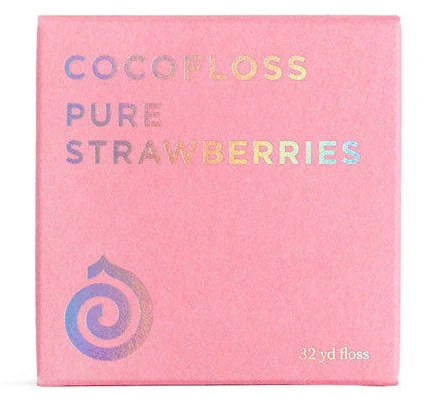
- Coconut fiber-based floss
- The brand calls it PFAS-free, which we have not verified
- Microbial growth in natural fiber storage
More dental floss grades
How we score, every product runs through the same public 0-100 rubric based on materials, coatings, brand disclosure, lab findings, and recalls. See the full methodology → Spotted a mistake? Report an error.