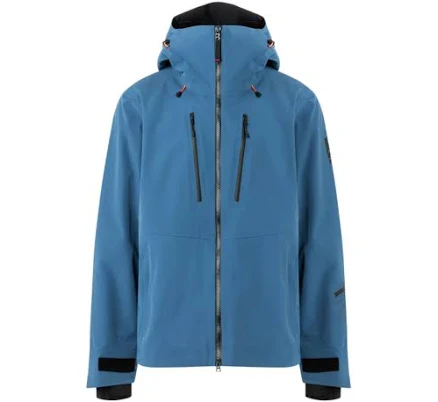
Bogner · Ski & Snowboard Jackets
Bogner Piaro Touring Jacket Men
Premium ski jacket with unknown water-repellent coating treatment; PFAS disclosure lacking.
Bogner Piaro is a high-end touring jacket using polyamide with water-repellent coating, but the brand discloses nothing about PFAS chemistry. water-repellent coating treatments commonly contain fluorinated compounds; verification unavailable.
Still want this one anyway? Check the price on Amazon. We’d swap it.
Material
Polyamide/nylon blend with water-repellent coating finish
Brand disclosure
Brand is silent on PFAS
Lab data
No public lab test
You may also be interested in
Top-graded picks in the categories readers replace first, every one scored on the same rubric.

- polypropylene filter housing, carbon/sediment cartridge
- We found no PFAS statement from the brand
- Bacterial growth in spent cartridges
3 hazards checked on this product, all on its full breakdown.

Aquasure
Premier Series 75 GPD Under Sink Reverse Osmosis Water Filtration System
- RO membrane, carbon filters, stainless steel housing
- We found no PFAS statement from the brand
- Bacterial and microbial growth in housing and filters
4 hazards checked on this product, all on its full breakdown.

Avocado
Vegan Mattress
- organic cotton, natural latex, coconut coir, recycled steel coils
- The brand calls it PFAS-free, which we have not verified
- Heavy metals
2 hazards checked on this product, all on its full breakdown.
What Bogner Piaro Touring Jacket Men is made of, ingredients and materials
The Piaro Touring Jacket uses a polyamide (nylon) blend, a synthetic polymer chosen for lightweight durability and water resistance in high-performance outerwear. The critical concern is the water-repellent coating (water-repellent coating) finish applied to the fabric surface. water-repellent coating treatments historically relied on long-chain PFAS chemicals, which persist in the environment and bioaccumulate; modern alternatives exist but Bogner does not publicly specify which treatment this jacket uses. Polyamide itself is stable and does not leach chemicals during normal wear, but the finish is the unknown variable.
What’s concerning
Waterproof / stain-resistant treatment
Water-repellent coating treatments have historically used PFAS.
Category baseline
The starting point for this type of product, before anything specific to this product is counted.
No PFAS disclosure
No public statement from the brand about PFAS in this product.
water-repellent coating (undisclosed chemistry)
Bogner does not specify whether the Piaro's water-repellent coating is legacy PFAS-based, short-chain PFAS, or non-fluorinated. Given the brand's silence and the jacket's premium positioning (suggesting durability focus), a PFAS-containing treatment remains plausible. water-repellent coating coatings can shed microparticles during washing and wear.
Formaldehyde / VOCs
No published data on formaldehyde levels in this specific model. Polyamide fabrics can incorporate formaldehyde-releasing resins in dyeing and finishing processes; the absence of OEKO-TEX or similar certification means no independent verification of residual formaldehyde content.
Source, ATSDR ↗Heavy metals
Bogner's color palette for the Piaro (typically dark technical shades) does not trigger obvious concern, but no public information confirms restricted substance testing. Premium brands sometimes use dye chemistry with lower concern for certain hazards, but without certification, this cannot be assumed.
Source, FDA ↗Polyamide degradation and microfiber release
Nylon fabrics shed microfibers during washing and wear; this is an established property of the material class, not brand-specific. Washing less frequently and using cold, gentle cycles minimizes shedding but does not eliminate it.
What’s reassuring
Antimony in polyester blend components
If any polyester is present in the blend, antimony use as a catalyst is standard; Bogner does not disclose the exact polyamide/synthetic ratio. This is a minor concern for outerwear because antimony is not readily leached during normal wear or laundering.
How is this PFAS grade calculated?
The brand's record and disclosure
Bogner, a premium German outerwear manufacturer, has not published clear statements on PFAS phase-out timelines or water-repellent coating sourcing transparency for this product line. The brand does not list certifications such as bluesign or OEKO-TEX 100 for the Piaro Touring Jacket, which would independently verify chemical inputs. This silence on a known category risk for technical apparel is a red flag in an era where competitors (Arc'teryx, Patagonia) increasingly disclose or eliminate PFAS-based water treatments. No major safety recalls or contamination incidents are publicly documented for this specific model.
How it compares in its category
Premium ski and touring jackets typically face a trade-off between water repellency and chemical transparency. Bogner's lack of disclosure places this jacket below brands offering PFAS-free water-repellent coating (such as Patagonia's Paragon Shells or Arc'teryx Therme with wax-based finishes) but on par with many mainstream technical jackets that also remain silent on water-repellent coating chemistry. At its price point (USD 600+), absence of third-party certification or brand transparency is a competitive disadvantage versus certified alternatives at similar cost.
If you buy it
Wash infrequently in cool water with minimal detergent to preserve the water-repellent coating finish and reduce microfiber shedding; avoid hot water and machine drying, which can degrade the coating. Do not use dry-cleaning, which employs harsh solvents. If the water-repellent finish degrades noticeably (water no longer beads), do not retreated it yourself with consumer water-repellent coating sprays (often high-PFAS); instead, retire the jacket or contact Bogner for professional re-treatment information. Store in a breathable bag away from direct heat and UV light to extend the life of both the nylon and finish.
What is not known about PFAS in this product?
- Basis
- Model estimate, 35% confidence, not a lab result
- Lab test
- None on record for this exact product
- Brand statement
- Bogner has made none
Formulations change between production runs, so check the current label. How we grade.
What are the PFAS-free alternatives to Bogner Piaro Touring Jacket Men?
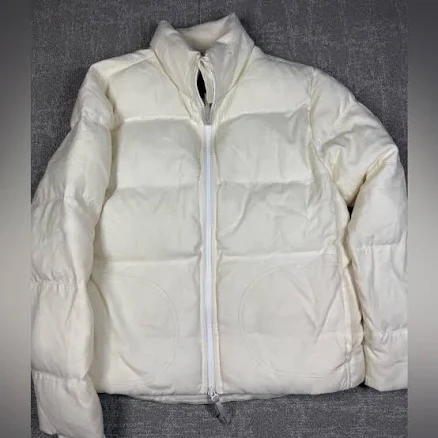
- Wool blend with synthetic fill (likely polyester)
- We found no PFAS statement from the brand
- water-repellent coating (water-repellent coating) coating composition
3 hazards checked on this product, all on its full breakdown.
Find an alternative on Amazon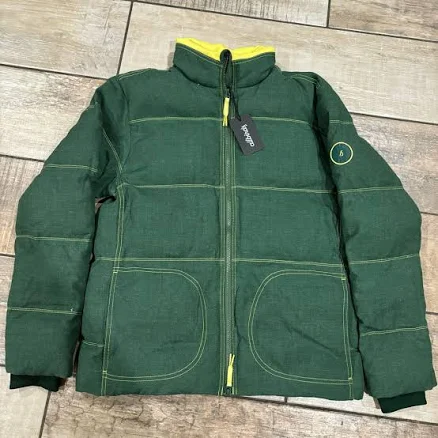
Allbirds
Jackets & Coats Allbirds Men's Trino Puffer Jacket Full Zip Wool Blend Forest Green Coat Size Sm
- wool blend (natural fiber dominant)
- We found no PFAS statement from the brand
- water-repellent coating (water-repellent coating) treatment - undisclosed chemistry
2 hazards checked on this product, all on its full breakdown.
Find an alternative on Amazon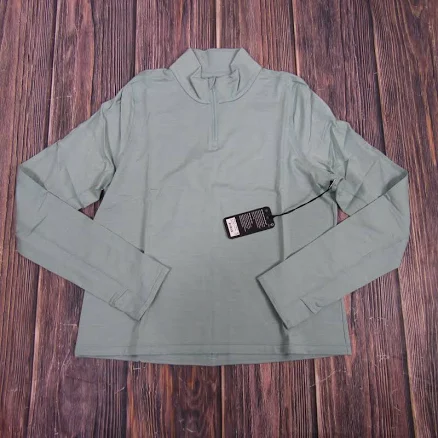
- Merino wool blend (natural fiber)
- We found no PFAS statement from the brand
- Azo dyes and synthetic dye residue
3 hazards checked on this product, all on its full breakdown.
Find an alternative on AmazonMore ski & snowboard jackets grades
How we score, every product runs through the same public 0-100 rubric based on materials, coatings, brand disclosure, lab findings, and recalls. See the full methodology → Spotted a mistake? Report an error.