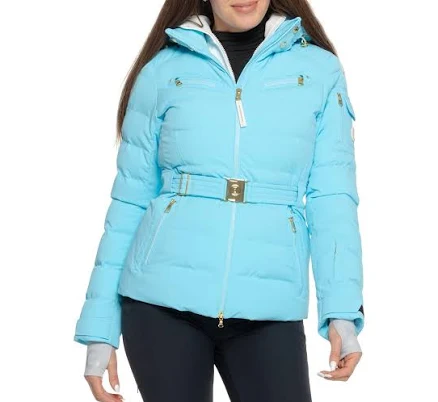
Bogner · Ski & Snowboard Jackets
Bogner Women's Ellya-T Jacket
Bogner silent on PFAS; typical ski jacket water-repellent coating raises concern.
This insulated jacket likely uses water-repellent treatment common in premium outerwear, which often contains PFAS. Bogner provides no public disclosure about PFAS avoidance or testing.
Still want this one anyway? Check the price on Amazon. We’d swap it.
Material
polyester with water-repellent coating treatment, down insulation
Brand disclosure
Brand is silent on PFAS
Lab data
No public lab test
You may also be interested in
Top-graded picks in the categories readers replace first, every one scored on the same rubric.

- polypropylene filter housing, carbon/sediment cartridge
- We found no PFAS statement from the brand
- Bacterial growth in spent cartridges
3 hazards checked on this product, all on its full breakdown.

Aquasure
Premier Series 75 GPD Under Sink Reverse Osmosis Water Filtration System
- RO membrane, carbon filters, stainless steel housing
- We found no PFAS statement from the brand
- Bacterial and microbial growth in housing and filters
4 hazards checked on this product, all on its full breakdown.

Avocado
Vegan Mattress
- organic cotton, natural latex, coconut coir, recycled steel coils
- The brand calls it PFAS-free, which we have not verified
- Heavy metals
2 hazards checked on this product, all on its full breakdown.
What Bogner Women's Ellya-T Jacket is made of, ingredients and materials
The Ellya-T is polyester shell with water-repellent coating (water-repellent coating) finish and down insulation. Polyester itself is chemically stable, but the water-repellent coating on ski jackets historically relies on fluorinated compounds (PFAS) to achieve water and oil resistance. Down insulation adds no inherent chemical hazard but can trap contaminants from the outer shell. The combination of synthetic shell plus water-shedding treatment is where chemical exposure risk concentrates.
What’s concerning
Waterproof / stain-resistant treatment
Water-repellent coating treatments have historically used PFAS.
Category baseline
The starting point for this type of product, before anything specific to this product is counted.
No PFAS disclosure
No public statement from the brand about PFAS in this product.
PFAS
Polyester ski jackets with water-repellent coating finishes typically contain fluorinated compounds unless explicitly labeled otherwise. Bogner's silence on treatment chemistry and lack of PFAS-free certification makes legacy PFAS probable for this model.
Source, ATSDR ↗Formaldehyde / VOCs
Polyester textiles may undergo formaldehyde-based resin treatments for wrinkle resistance or durability enhancement. No formaldehyde violation is on record for Bogner, but pre-purchase testing data is unavailable. Risk is reduced by thorough initial laundering before wear.
Source, ATSDR ↗Azo dyes in color fastness
Dark-colored polyester jackets may use azo dyes that break down to carcinogenic amines. Bogner uses standard textile suppliers without published restricted substance lists. Concern is minor for outerwear with minimal skin contact but relevant for prolonged contact in warm conditions.
Antimony in polyester fiber
Polyester is synthesized with antimony trioxide as a catalyst; trace residue can remain in finished fiber. Bogner does not disclose antimony levels. Dermal exposure risk is minimal for outerwear; risk increases if jacket is recycled into soft goods without proper cleaning.
Down contamination from shell chemicals
Down insulation can absorb PFAS and other coating chemicals from the polyester shell during manufacturing and storage. No specific testing of Bogner down contamination is public. Concern is highest during the first few wears before volatile compounds off-gas.
How is this PFAS grade calculated?
The brand's record and disclosure
Bogner has not publicly disclosed water-repellent coating chemistry, treatment protocols, or commitment to PFAS-free methods for this product line. No major recalls or formaldehyde violations appear in public records for this specific model. The brand markets premium alpine wear but remains silent on fluorochemical phase-out, which is increasingly standard among competitors like Arc'teryx and Patagonia. This lack of transparency makes it difficult to assess whether they use legacy PFAS or newer alternatives.
How it compares in its category
Premium ski jackets from Bogner typically sit above fast-fashion alternatives in durability and construction quality, reducing premature shedding. However, Bogner lags behind competitors in public PFAS avoidance claims. Brands like Patagonia (H.P. 5.0 water-repellent coating) and some Arc'teryx lines explicitly market PFAS-free water repellency. The Ellya-T's silent stance puts it in a middle zone, better made than budget jackets but less transparent on chemical inputs than leading sustainability-focused competitors.
If you buy it
Minimize laundering to reduce water-repellent coating reapplication frequency and associated chemical exposure. Hand wash in cool water with minimal detergent when necessary; avoid dry cleaning and machine washing, which accelerate coating wear and require more frequent retreatment. Replace or have professionally retreated only if water beading noticeably fails, not preemptively. Hang dry away from heat sources; never tumble dry, as heat can mobilize compounds in coatings.
What is not known about PFAS in this product?
- Basis
- Model estimate, 45% confidence, not a lab result
- Lab test
- None on record for this exact product
- Brand statement
- Bogner has made none
Formulations change between production runs, so check the current label. How we grade.
What are the PFAS-free alternatives to Bogner Women's Ellya-T Jacket?
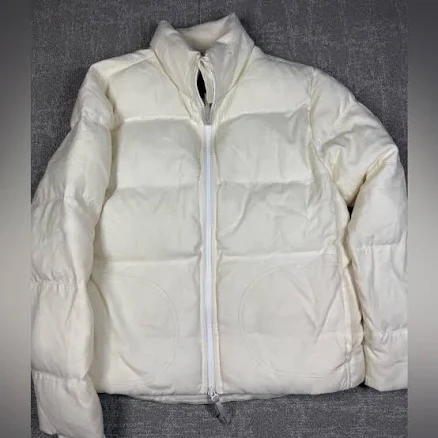
- Wool blend with synthetic fill (likely polyester)
- We found no PFAS statement from the brand
- water-repellent coating (water-repellent coating) coating composition
3 hazards checked on this product, all on its full breakdown.
Find an alternative on Amazon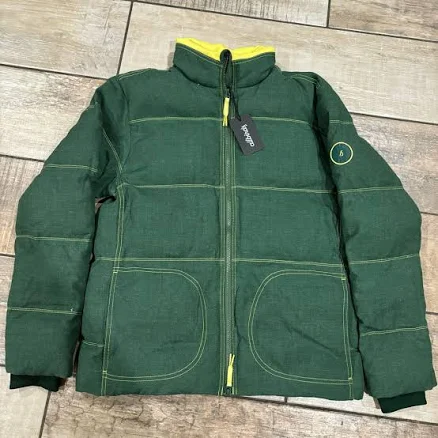
Allbirds
Jackets & Coats Allbirds Men's Trino Puffer Jacket Full Zip Wool Blend Forest Green Coat Size Sm
- wool blend (natural fiber dominant)
- We found no PFAS statement from the brand
- water-repellent coating (water-repellent coating) treatment - undisclosed chemistry
2 hazards checked on this product, all on its full breakdown.
Find an alternative on Amazon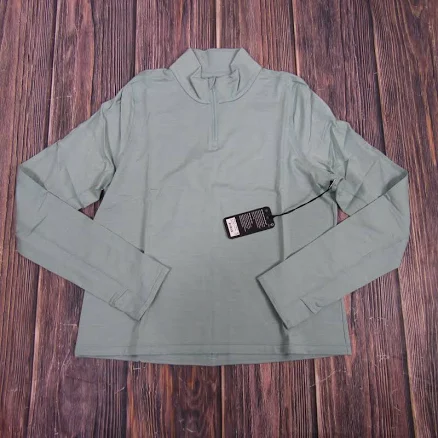
- Merino wool blend (natural fiber)
- We found no PFAS statement from the brand
- Azo dyes and synthetic dye residue
3 hazards checked on this product, all on its full breakdown.
Find an alternative on AmazonMore ski & snowboard jackets grades
How we score, every product runs through the same public 0-100 rubric based on materials, coatings, brand disclosure, lab findings, and recalls. See the full methodology → Spotted a mistake? Report an error.