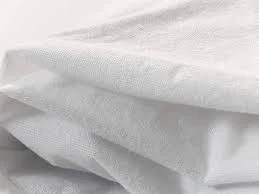
Deep Pocket Mattress Protector - Full, Is It Non-Toxic?
Avoid or contact directly, since mattress protectors commonly use PFAS-based water-repellent coating coatings with no public disclosure.
The brand's mattress protector lists water and stain resistance without specifying coating chemistry. Waterproof mattress protectors typically use fluorinated durability finishes, and no third-party certification or brand PFAS commitment exists; contact the manufacturer before purchase.
The better-graded swap
Avocado Green Mattress
Organic Cotton Mattress Pad Protector
85/100 safety
Same rubric that flunked this product. The swap earned Excellent.
Still want this one anyway? Check the price on Amazon. We’d swap it.
Material
polyurethane or polyester blend with water/stain-resistant treatment
Brand disclosure
Brand is silent on PFAS
Lab data
No public lab test
You may also be interested in
Top-graded picks in the categories readers replace first, every one scored on the same rubric.

- polypropylene filter housing, carbon/sediment cartridge
- We found no PFAS statement from the brand
- Bacterial growth in spent cartridges
3 hazards checked on this product, all on its full breakdown.

Aquasure
Premier Series 75 GPD Under Sink Reverse Osmosis Water Filtration System
- RO membrane, carbon filters, stainless steel housing
- We found no PFAS statement from the brand
- Bacterial and microbial growth in housing and filters
4 hazards checked on this product, all on its full breakdown.

Avocado
Vegan Mattress
- organic cotton, natural latex, coconut coir, recycled steel coils
- The brand calls it PFAS-free, which we have not verified
- Heavy metals
2 hazards checked on this product, all on its full breakdown.
Is Deep Pocket Mattress Protector - Full non-toxic? What it is made of
The brand's Deep Pocket Protector is a polyurethane or polyester blend (exact ratio not publicly specified) with a water and stain-resistant topical treatment. The water-repellent coating is the critical unknown, it may be Teflon-type coating-based, silicone-based, or PFAS-based. Polyurethane itself can off-gas volatile organic compounds (VOCs) during initial use and with heat exposure, though mattress protectors are a lower-heat application than cookware or heated textiles. The synthetic fiber construction avoids natural fiber allergen risk but means the protector will not degrade or off-gas cellulose products.
What’s concerning
Category baseline
The starting point for this type of product, before anything specific to this product is counted.
No PFAS disclosure
No public statement from the brand about PFAS in this product.
Waterproof / stain-resistant treatment
Water-repellent coating treatments have historically used PFAS.
VOC off-gassing from polyurethane
Polyurethane foam and films can release volatile organic compounds, particularly during manufacturing and initial use. Mattress protectors have minimal direct skin contact and are typically topped by a mattress, reducing acute inhalation risk, but off-gassing may occur in poorly ventilated bedrooms.
Coating degradation and leachate from water-resistant treatment
Repeated washing and body heat exposure can break down the water-repellent coating over time. Degraded coatings may leach residues into bedding contact areas. Without knowing whether the coating is PFAS-based, fluorosilicone, or paraffin-free silicone, the risk profile of degradation products cannot be fully assessed.
Microfiber shedding from polyester blend
Polyester or polyester-blend protectors shed microfibers during washing and use, contributing to environmental microplastic accumulation. This is not an acute health hazard in normal use but represents a broader pollution concern with synthetic textiles.
What’s reassuring
Flame retardants
No public disclosure indicates whether the brand's protector contains added flame retardants. Polyester and polyurethane can be treated with halogenated or brominated retardants for regulatory compliance; none have been reported on this product, but the coating formulation is not public.
Source, EPA ↗Allergenic dyes or processing residues
No specific dye or chemical residue issues have been reported for the brand's protectors. The product is not marketed as OEKO-TEX certified, so chemical finishing standards are not independently verified.
How is this PFAS grade calculated?
The brand's record and disclosure
The brand does not publicly disclose the specific water-repellent coating (water-repellent coating) chemistry or provide third-party certifications (such as OEKO-TEX or GOTS) for this product. The brand markets sustainability positioning but has not made formal statements on PFAS phase-out or use avoidance. No recalls or safety controversies are on record for this specific protector. The silence on chemical specifics is standard in the mattress-protector category but leaves consumers unable to verify PFAS-free status.
How it compares in its category
Mattress protectors are universally treated for water resistance, and most use either PFAS-based or fluorocarbon coatings. The brand is mid-market positioned; premium alternatives (e.g., Avocado, Naturepedic) often disclose OEKO-TEX certification or explicit PFAS avoidance. Budget competitors (Waterproof mattress pads) rarely disclose either. The brand's lack of transparency places it squarely in the unclear-risk middle; it is neither a known offender nor a verified lower-concern option.
If you buy it
Unpack and air the protector in a well-ventilated space for 24-48 hours before use to allow any residual manufacturing VOCs to dissipate. Wash before first use with warm (not hot) water and mild detergent; avoid bleach and fabric softeners, which can degrade the water-resistant coating. Expect to replace every 3-5 years depending on washing frequency and visible wear or delamination. If you have sensitivities to chemical odors or suspect PFAS exposure is a concern, contact directly to request water-repellent coating composition before purchase.
What is not known about PFAS in this product?
- Basis
- Model estimate, 45% confidence, not a lab result
- Lab test
- None on record for this exact product
- Brand statement
- has made none
Formulations change between production runs, so check the current label. How we grade.
What are the PFAS-free alternatives to Deep Pocket Mattress Protector - Full?
- organic cotton
- We found no PFAS statement from the brand
- No PFAS statement found from the brand
- Organic cotton
- We found no PFAS statement from the brand
- Waterproofing chemical exposure
2 hazards checked on this product, all on its full breakdown.
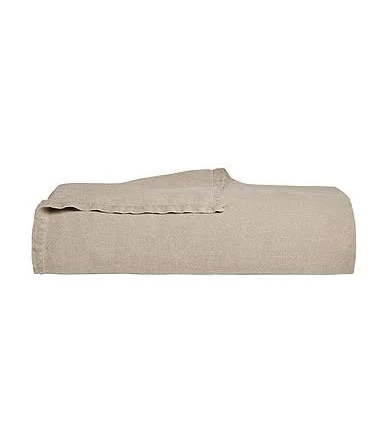
- 100% linen, no reported coating
- We found no PFAS statement from the brand
- Heavy metals
3 hazards checked on this product, all on its full breakdown.
More mattress protectors grades
How we score, every product runs through the same public 0-100 rubric based on materials, coatings, brand disclosure, lab findings, and recalls. See the full methodology → Spotted a mistake? Report an error.