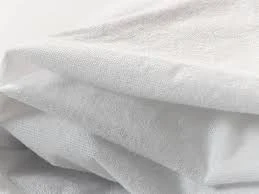
Deep Pocket Mattress Protector - Queen, Is It Non-Toxic?
Avoid until the brand discloses waterproof treatment chemistry or obtains third-party verification.
Mattress protectors require water-resistant treatments traditionally made with PFAS, but the brand does not publicly disclose coating chemistry or claim PFAS-free status. Without lab testing or credible certification, PFAS risk cannot be ruled out.
The better-graded swap
Avocado Green Mattress
Organic Cotton Mattress Cover and Pad Protector
85/100 safety
Same rubric that flunked this product. The swap earned Excellent.
Still want this one anyway? Check the price on Amazon. We’d swap it.
Material
Polyester with water-resistant/stain-resistant treatment
Brand disclosure
Brand is silent on PFAS
Lab data
No public lab test
You may also be interested in
Top-graded picks in the categories readers replace first, every one scored on the same rubric.

- polypropylene filter housing, carbon/sediment cartridge
- We found no PFAS statement from the brand
- Bacterial growth in spent cartridges
3 hazards checked on this product, all on its full breakdown.

Aquasure
Premier Series 75 GPD Under Sink Reverse Osmosis Water Filtration System
- RO membrane, carbon filters, stainless steel housing
- We found no PFAS statement from the brand
- Bacterial and microbial growth in housing and filters
4 hazards checked on this product, all on its full breakdown.

Avocado
Vegan Mattress
- organic cotton, natural latex, coconut coir, recycled steel coils
- The brand calls it PFAS-free, which we have not verified
- Heavy metals
2 hazards checked on this product, all on its full breakdown.
Is Deep Pocket Mattress Protector - Queen non-toxic? What it is made of
This protector is polyester fabric with a water-resistant or stain-resistant topical treatment applied to the surface. Polyester itself is a stable plastic polymer with low inherent toxicity risk under normal use. The treatment chemistry is the material variable of concern, water resistance in textiles is historically achieved with fluorinated compounds (PFAS), silicones, or wax-based coatings. The brand has not publicly disclosed which method they use, which is the primary safety limitation here.
What’s concerning
Category baseline
The starting point for this type of product, before anything specific to this product is counted.
No PFAS disclosure
No public statement from the brand about PFAS in this product.
Waterproof / stain-resistant treatment
Water-repellent coating treatments have historically used PFAS.
Water-resistant/stain-resistant treatment off-gassing
If PFAS-based or solvent-containing, fresh protectors may emit low levels of volatile compounds for days after opening. Airing out for 24-48 hours in ventilation before bed use reduces potential exposure. The brand's silence on treatment type makes definitive assessment impossible.
Microplastic shedding from polyester
Polyester textiles shed microfibers during washing and wear. Mattress protectors shed minimally compared to clothing due to low friction, but washing will release some fibers into wastewater. This is a category-wide issue for polyester, not the brand-specific.
Skin irritation from treatment chemicals or dyes
Undisclosed water-resistant treatment or reactive dyes could theoretically trigger contact dermatitis in sensitive users, particularly if protector is not fully rinsed before use. Pre-wash before first use is advised for any sensitivity history.
What’s reassuring
Polyester antimony catalyst residue
Antimony is used as a catalyst in polyester synthesis but typically remains bound in the polymer chain. No evidence of leaching into skin or washwater from intact mattress protectors under normal use conditions.
Formaldehyde / VOCs
Polyester fabric itself does not use formaldehyde-releasing resin (unlike some cotton wrinkle finishes), so residual formaldehyde is not a documented concern for this material class.
Source, ATSDR ↗How is this PFAS grade calculated?
The brand's record and disclosure
The brand is a direct-to-consumer bedding brand known for transparency on materials (thread count, fabric origin) but has remained silent on the specific chemistry of their stain-resistant and waterproof treatments across their product line. No third-party certifications (OEKO-TEX, GOTS) have been publicly claimed for this protector model. No recalls or regulatory actions against mattress protectors are on record.
How it compares in its category
Mattress protectors in this price and material tier typically use either PFAS-based or silicone-based water treatments; few disclose this openly. Some competitors (e.g., Helix, Saatva) offer organic or OEKO-TEX certified alternatives that reduce treatment uncertainty. The brand's protector sits in the mainstream category where treatment chemistry is industry-standard opacity rather than best-practice transparency.
If you buy it
Wash separately in cold water with mild detergent; hot water or fabric softener can degrade water-resistant coatings and potentially release treatment chemicals. Do not dry-clean or use high heat (dryer risk). Replace the protector every 2-3 years or if waterproofing noticeably fails (water beading stops). Air dry or low heat only. If you have sensitivities or live in a PFAS-concerned water district, contact the brand to request treatment chemistry transparency before purchase.
What is not known about PFAS in this product?
- Basis
- Model estimate, 35% confidence, not a lab result
- Lab test
- None on record for this exact product
- Brand statement
- has made none
Formulations change between production runs, so check the current label. How we grade.
What are the PFAS-free alternatives to Deep Pocket Mattress Protector - Queen?
- organic cotton
- We found no PFAS statement from the brand
- No PFAS statement found from the brand
- Organic cotton
- We found no PFAS statement from the brand
- Waterproofing chemical exposure
2 hazards checked on this product, all on its full breakdown.
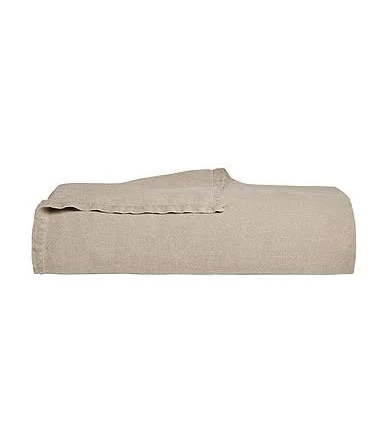
- 100% linen, no reported coating
- We found no PFAS statement from the brand
- Heavy metals
3 hazards checked on this product, all on its full breakdown.
More mattress protectors grades
How we score, every product runs through the same public 0-100 rubric based on materials, coatings, brand disclosure, lab findings, and recalls. See the full methodology → Spotted a mistake? Report an error.