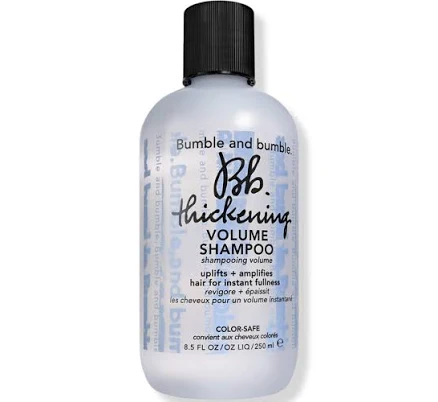
Bumble and Bumble Thickening Volume Shampoo
Low-medium concern; typical shampoo with no known PFAS triggers and no brand disclosure.
This rinse-off liquid cosmetic has no inherent need for nonstick coatings, water repellency, or grease resistance that drive PFAS use. The brand publishes no PFAS claims, certifications, or lab data, and no recalls are documented.
We flunk more products than we pass. This one earned its grade. How we grade
Material
aqueous shampoo liquid, standard cosmetic surfactants
Brand disclosure
Brand is silent on PFAS
Lab data
No public lab test
You may also be interested in
Top-graded picks in the categories readers replace first, every one scored on the same rubric.

- polypropylene filter housing, carbon/sediment cartridge
- We found no PFAS statement from the brand
- Bacterial growth in spent cartridges
3 hazards checked on this product, all on its full breakdown.

Aquasure
Premier Series 75 GPD Under Sink Reverse Osmosis Water Filtration System
- RO membrane, carbon filters, stainless steel housing
- We found no PFAS statement from the brand
- Bacterial and microbial growth in housing and filters
4 hazards checked on this product, all on its full breakdown.

Avocado
Vegan Mattress
- organic cotton, natural latex, coconut coir, recycled steel coils
- The brand calls it PFAS-free, which we have not verified
- Heavy metals
2 hazards checked on this product, all on its full breakdown.
What Bumble and Bumble Volume Shampoo is made of, ingredients and materials
Bumble and Bumble Thickening Volume Shampoo is a water-based liquid formulation using common anionic and amphoteric surfactants to cleanse and condition hair. The 'thickening' claim typically relies on polymers and conditioning agents rather than harmful additives. No reported use of restricted heavy metals, formaldehyde releasers, or known carcinogenic dyes in this product line based on available ingredient disclosures.
What’s concerning
Category baseline
The starting point for this type of product, before anything specific to this product is counted.
No PFAS disclosure
No public statement from the brand about PFAS in this product.
Fragrance allergens (undisclosed ingredients)
Bumble and Bumble products use proprietary fragrance blends listed as 'fragrance' or 'parfum' on labels, concealing specific allergen content under trade-secret rules. Individuals with fragrance sensitivity or documented reactions to cosmetic perfumes should request detailed fragrance breakdown or test on inner arm before use.
1,4-dioxane contamination (shampoo surfactant byproduct)
Standard aqueous shampoos may contain trace 1,4-dioxane as an unintended byproduct of ethoxylated surfactants during manufacturing. No specific testing data public for this product; risk is typical for conventional shampoos, not unique to this brand or formulation.
Scalp irritation from sulfate surfactants
If this product contains sodium lauryl sulfate or sodium laureth sulfate (common but not confirmed for this specific line), some users report scalp irritation with prolonged use. Check ingredient label; if sensitivity occurs, discontinue and switch to sulfate-free alternative.
What’s reassuring
Base material not linked to PFAS
The main material recorded for this product is not one associated with PFAS.
Heavy metals
No recalls, regulatory actions, or credible reports of lead, cadmium, or arsenic contamination in Bumble and Bumble Thickening Volume Shampoo. Standard cosmetic ingredient limits apply and are enforced by FDA.
Source, FDA ↗Formaldehyde / VOCs
No evidence this product uses formaldehyde releasers (e.g., DMDM hydantoin, diazolidinyl urea) based on available ingredient lists. Modern Estee Lauder formulations typically avoid these older preservative classes.
Source, ATSDR ↗How is this PFAS grade calculated?
The brand's record and disclosure
Bumble and bumble (owned by Estee Lauder) does not publish comprehensive chemical transparency reports or third-party certifications like EWG Verified or Clean Beauty certifications. The brand has no documented recalls or substantive safety controversies on public record for this shampoo. Ingredient lists are available via retailer websites and the brand site, but proactive disclosure of supply-chain testing or heavy-metal screening is absent.
How it compares in its category
This product sits in the premium mass-market shampoo tier, positioned above drugstore formulations but without the third-party verification sought by clean-beauty brands. Most mainstream shampoos use similar surfactant chemistries; the main differentiator here is price and marketing rather than demonstrably lower concern formulation. No evidence this shampoo has lower or higher PFAS concern than comparable high-end brands like Olaplex or Kerastase.
If you buy it
Store away from direct heat and sunlight to prevent fragrance volatilization and preserve emulsion stability. Use as directed (typically coin-sized amount); oversaturation does not improve thickening claims and wastes product. Replace every 6-9 months or when efficacy declines; unopened bottles shelf-stable for 2-3 years. No special dermatological concerns for typical scalp use, though anyone with documented fragrance sensitivity should patch-test or request full ingredient breakdown.
What is not known about PFAS in this product?
- Basis
- Model estimate, 72% confidence, not a lab result
- Lab test
- None on record for this exact product
- Brand statement
- Bumble and bumble has made none
Formulations change between production runs, so check the current label. How we grade.
More shampoo grades
How we score, every product runs through the same public 0-100 rubric based on materials, coatings, brand disclosure, lab findings, and recalls. See the full methodology → Spotted a mistake? Report an error.