Burton · Ski & Snowboard Jackets
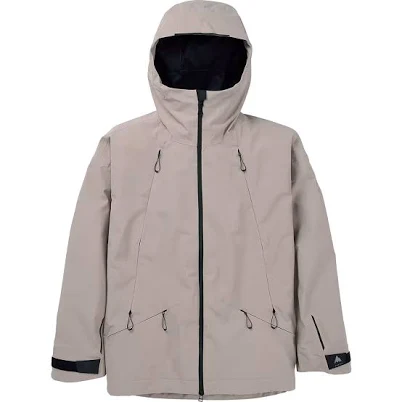
Burton Futuretrust 2L Jacket
Likely water-repellent coating-treated jacket or PFAS risk typical for category unless Burton discloses.
This waterproof shell jacket features water-repellent coating treatment, a common application for PFAS-based chemistry in outerwear. Burton provides no public disclosure on PFAS content or alternative water-repellent coating technologies.
Still want this one anyway? Check the price on Amazon. We’d swap it.
Material
Nylon shell with water-repellent coating finish (coating unspecified)
Brand disclosure
Brand is silent on PFAS
Lab data
No public lab test
What Burton Futuretrust 2L Jacket is made of, ingredients and materials
The Futuretrust 2L uses a nylon shell, which is a durable synthetic polymer resistant to water and abrasion. The water-repellent coating (water-repellent coating) finish is the critical unknown here, most outdoor jackets rely on fluorochemical water-repellent coating coatings, typically PFAS-based perfluorocarbon compounds that shed water without soaking the fabric. Nylon itself is chemically stable and does not leach under normal wear, but the applied coating determines actual exposure risk.
What’s concerning
Category baseline
The starting point for this type of product, before anything specific to this product is counted.
No PFAS disclosure
No public statement from the brand about PFAS in this product.
Waterproof / stain-resistant treatment
Water-repellent coating treatments have historically used PFAS.
PFAS
Nylon shell almost certainly uses a fluorochemical water-repellent coating finish applied at manufacture. Burton has not disclosed the specific chemistry, so PFAS presence cannot be ruled out; this is consistent with industry standard for this price tier and product type.
Source, ATSDR ↗Nylon microfiber shedding and degradation
High-wear areas (cuffs, seams, elbows) may shed microfibers over years of use, especially if coating degrades or abrades. No specific Burton recall or test data on this model; risk is material-class typical and increases with age and washing frequency.
Coating degradation over time
Water-repellent coating finishes on all nylon jackets wear progressively with washing and UV exposure. This is expected product aging, not a defect, but means water-repellency declines; re-treatment is standard practice and adds new coating layers.
What’s reassuring
Formaldehyde / VOCs
No public recalls or complaints specific to formaldehyde off-gassing from Burton ski jackets. Nylon finishing typically uses minimal formaldehyde compared to cotton or blended textiles, and risk is not established for this brand or model.
Source, ATSDR ↗Heavy metals
No public data or recalls linking Burton nylon jackets to lead, cadmium, or other heavy metal dye contamination. Risk is not established for this product category or brand.
Source, FDA ↗The full breakdown
The brand's record and disclosure
Burton (owned by Autodesk, now Activision Blizzard holdings) has not published a transparent water-repellent coating chemistry policy or third-party test data for this model as of available public records. The brand has not signed onto PFAS-free commitments like those from The Outward Bound or other outdoor peers. Without direct inquiry, consumers cannot confirm whether this jacket uses legacy fluorinated water-repellent coating or newer alternatives; silence on this point is typical but unhelpful.
How it compares in its category
Most mid-range ski jackets (Burton, North Face, Salomon, Descente) use unspecified water-repellent coating finishes, putting them in the same uncertain category. Premium brands like Patagonia and Arc'teryx increasingly disclose water-repellent coating choice or offer PFAS-free options. Burton's position here is unremarkable but not exceptional; the product sits in the industry norm where PFAS risk is typical unless the maker states otherwise.
If you buy it
Wash separately in cold water only; fluorinated water-repellent coating coatings can degrade or leach slightly under hot water and heavy detergent. Air-dry flat or hang; heat (dryers, radiators) degrades nylon and may accelerate coating breakdown. Inspect seams and high-stress areas yearly for coating wear; re-application of commercial water-repellent coating products will add coating layers (check label for fluorine content if concerned). If PFAS exposure is a personal priority, contact Burton directly to request water-repellent coating composition before purchase.
What we don’t know
- Basis
- Model estimate, 35% confidence, not a lab result
- Lab test
- None on record for this exact product
- Brand statement
- Burton has made none
Formulations change between production runs, so check the current label. How we grade.
Better-graded alternatives in Ski & Snowboard Jackets
Allbirds
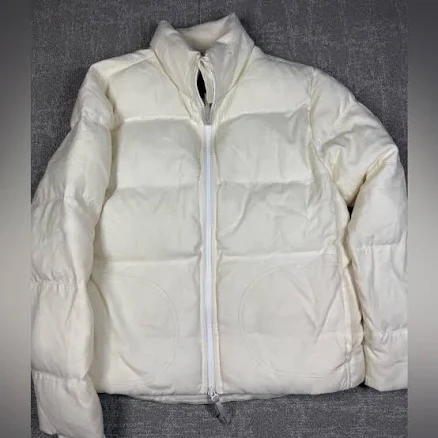
Jackets & Coats Allbirds Full Zip Wool Blend Puffer Jacket Women Size Small
- Wool blend with synthetic fill (likely polyester)
- We found no PFAS statement from the brand
- water-repellent coating (water-repellent coating) coating composition
3 hazards checked on this product. See all of them.
Allbirds
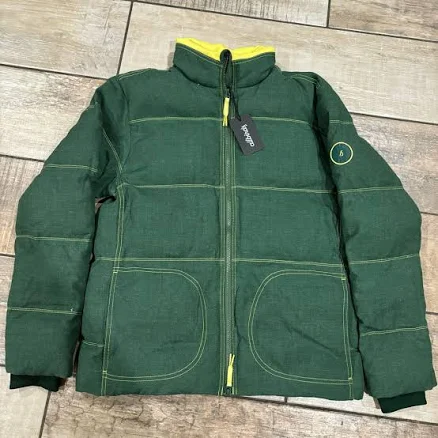
Jackets & Coats Allbirds Men's Trino Puffer Jacket Full Zip Wool Blend Forest Green Coat Size Sm
- wool blend (natural fiber dominant)
- We found no PFAS statement from the brand
- water-repellent coating (water-repellent coating) treatment - undisclosed chemistry
2 hazards checked on this product. See all of them.
Allbirds
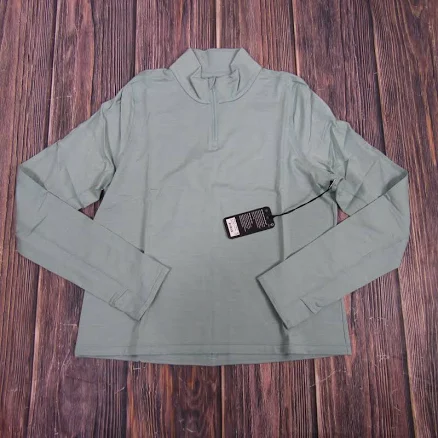
NWT Womens Medium Green Natural Run Mid Layer 1/4 Zip Jacket
- Merino wool blend (natural fiber)
- We found no PFAS statement from the brand
- Azo dyes and synthetic dye residue
3 hazards checked on this product. See all of them.
More ski & snowboard jackets grades
How we score, every product runs through the same public 0-100 rubric based on materials, coatings, brand disclosure, lab findings, and recalls. See the full methodology → Spotted a mistake? Report an error.