Burton · Ski & Snowboard Jackets
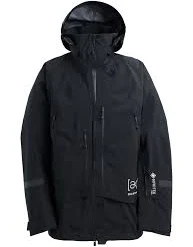
Burton Men's Acamar GORE-TEX Pro 3L Jacket
High PFAS concern or GORE-TEX Pro uses Teflon-type coating or Burton makes no disclosure.
GORE-TEX Pro 3L is a laminated waterproof membrane based on polytetrafluoroethylene (Teflon-type coating), a per- and polyfluoroalkyl substance used in technical apparel. Burton makes no public statement on PFAS efforts.
Still want this one anyway? Check the price on Amazon. We’d swap it.
Material
GORE-TEX Pro 3L membrane (polytetrafluoroethylene-based laminate)
Brand disclosure
Brand is silent on PFAS
Lab data
No public lab test
What Burton Men's Acamar GORE-TEX Pro 3L Jacket is made of, ingredients and materials
This jacket's waterproofing relies on GORE-TEX Pro 3L, a laminate that bonds a microporous Teflon-type coating (polytetrafluoroethylene) membrane to fabric layers. Teflon-type coating itself is inert when intact, but GORE-TEX Pro formulations historically required PFAS "forever chemicals" (PFAS) to achieve water repellency and durability. The 3L construction (fabric, membrane, backer) means the Teflon-type coating layer is sealed between materials, reducing direct skin contact, but PFAS can still leach during manufacturing, laundering, or breakdown over years.
What’s concerning
Category baseline
The starting point for this type of product, before anything specific to this product is counted.
No PFAS disclosure
No public statement from the brand about PFAS in this product.
Waterproof / stain-resistant treatment
Water-repellent coating treatments have historically used PFAS.
PFAS
GORE-TEX Pro 3L traditionally uses PFAS-containing water-repellent coating (water-repellent coating) coatings. Leaching occurs during manufacturing wash-off, consumer laundering, and long-term wear. Teflon-type coating membrane itself is stable, but the PFAS surfactants used to bond and activate it are the primary exposure vector.
Source, ATSDR ↗Membrane delamination and microfiber shedding
Over 5-10 years or with rough laundry practices, the Teflon-type coating layer can separate from backing fabric, potentially releasing fine Teflon-type coating particles into wash water. Frequency and severity depend on care; documented cases are rare but possible.
What’s reassuring
Thermal fume risk from Teflon-type coating
Teflon-type coating fume toxicity (polymer fume fever) occurs above 300°C; ski jackets do not reach such temperatures during normal wear, storage, or even machine drying. Risk is negligible unless jacket is accidentally exposed to direct flame or extremely high heat.
Formaldehyde / VOCs
No public records of formaldehyde-based finishing resins in GORE-TEX Pro or Burton jackets. Modern GORE-TEX products typically use formaldehyde-free stabilizers, but Burton does not disclose specifics.
Source, ATSDR ↗Azo dyes in outer fabric or mesh
Burton does not publish dye chemistry. Ski jacket fabrics are typically acid or disperse dyes (not azo), but absence of public testing means hazard cannot be ruled out entirely.
The full breakdown
The brand's record and disclosure
Burton, primarily a snowsports brand, has not published transparency reports on PFAS use in GORE-TEX products or made public commitments to phase out PFAS-based water repellents. The company does not advertise PFAS-free alternatives in mainstream lines. GORE-TEX itself (owned by W.L. Gore & Associates) has faced industry pressure since the early 2020s regarding PFAS but has not disclosed which product lines use PFAS-free chemistry, leaving consumers to assume traditional GORE-TEX Pro contains PFAS.
How it compares in its category
GORE-TEX Pro remains the performance standard for ski jackets; most competing premium jackets (Arc'teryx, The North Face, Salomon) also use GORE-TEX Pro or equivalent Teflon-type coating-based membranes, meaning PFAS exposure is category-wide. Fewer ski jackets use membranes not linked to PFAS (eVent, Polartec), which exist but are less common and typically more expensive. If PFAS avoidance is priority, you would need to actively seek PFAS-free synthetic membranes, which narrows options significantly.
If you buy it
Minimize PFAS leaching by avoiding repeated hot washing; hand wash in cool water or use the machine's delicate cycle with minimal detergent, and air dry rather than machine dry, which can accelerate membrane degradation. Do not dry clean, as harsh solvents may compromise the laminate. Replace the jacket if the outer fabric or membrane shows visible delamination or cracking, as degradation increases leachate risk. Store in a cool, dry place; moisture and heat accelerate Teflon-type coating breakdown.
What we don’t know
- Basis
- Model estimate, 45% confidence, not a lab result
- Lab test
- None on record for this exact product
- Brand statement
- Burton has made none
Formulations change between production runs, so check the current label. How we grade.
Better-graded alternatives in Ski & Snowboard Jackets
Allbirds
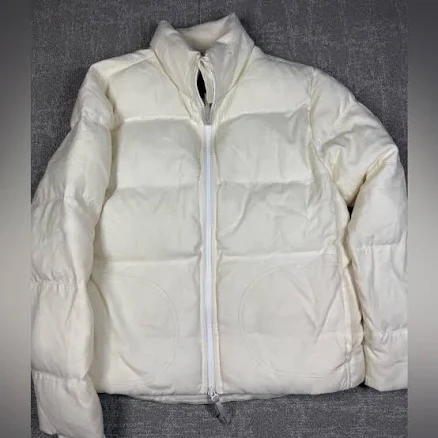
Jackets & Coats Allbirds Full Zip Wool Blend Puffer Jacket Women Size Small
- Wool blend with synthetic fill (likely polyester)
- We found no PFAS statement from the brand
- water-repellent coating (water-repellent coating) coating composition
3 hazards checked on this product. See all of them.
Allbirds
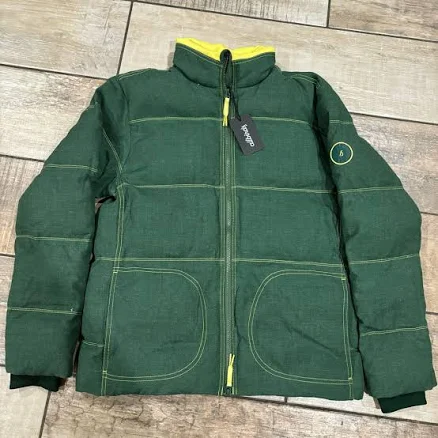
Jackets & Coats Allbirds Men's Trino Puffer Jacket Full Zip Wool Blend Forest Green Coat Size Sm
- wool blend (natural fiber dominant)
- We found no PFAS statement from the brand
- water-repellent coating (water-repellent coating) treatment - undisclosed chemistry
2 hazards checked on this product. See all of them.
Allbirds
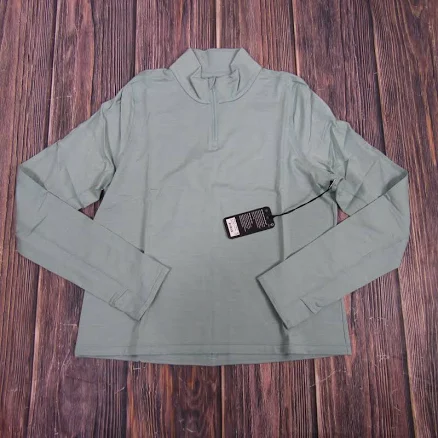
NWT Womens Medium Green Natural Run Mid Layer 1/4 Zip Jacket
- Merino wool blend (natural fiber)
- We found no PFAS statement from the brand
- Azo dyes and synthetic dye residue
3 hazards checked on this product. See all of them.
More ski & snowboard jackets grades
How we score, every product runs through the same public 0-100 rubric based on materials, coatings, brand disclosure, lab findings, and recalls. See the full methodology → Spotted a mistake? Report an error.