Burton · Ski & Snowboard Jackets
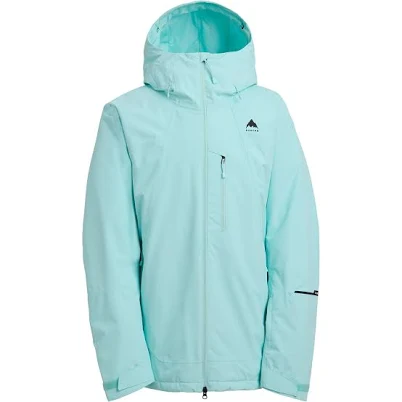
Burton Men's Reserve 2L Insulated Jacket
Typical insulated jacket with likely PFAS-based water-repellent coating or Burton silent on chemistry or consider alternatives.
This insulated jacket uses synthetic materials with water-repellent finish, a category historically treated with PFAS-based water-repellent coating compounds. Burton makes no public statement about PFAS in this product or supply chain.
Still want this one anyway? Check the price on Amazon. We’d swap it.
Material
Synthetic shell with water-repellent coating treatment; fleece/nylon interior
Brand disclosure
Brand is silent on PFAS
Lab data
No public lab test
What Burton Men's Reserve 2L Insulated Jacket is made of, ingredients and materials
Burton's Reserve 2L uses a synthetic shell (polyester or nylon blend) with a water-repellent coating (water-repellent coating) finish applied to the surface. The '2L' designation means a two-layer construction, outer shell plus a bonded membrane or lining. water-repellent coating treatments on mass-market insulated jackets are predominantly fluorocarbon-based (PFAS compounds) rather than fluorine-free alternatives, though Burton does not disclose the chemistry. The fleece/nylon interior is a common insulation blend that poses no established chemical hazard under normal use.
What’s concerning
Category baseline
The starting point for this type of product, before anything specific to this product is counted.
No PFAS disclosure
No public statement from the brand about PFAS in this product.
Waterproof / stain-resistant treatment
Water-repellent coating treatments have historically used PFAS.
PFAS
Standard industry practice for synthetic insulated jackets at this price and performance tier. Burton does not disclose the specific chemistry, and fluorocarbon water-repellent coating is the dominant baseline for 2L constructions.
Source, ATSDR ↗Coating degradation and microplastic shedding during washing
Repeated washing and mechanical stress can compromise the water-repellent coating layer and potentially shed micro fragments of synthetic fibers. Risk is low under normal use and infrequent laundering, but increases with aggressive care or extended lifespan.
What’s reassuring
Formaldehyde / VOCs
No formaldehyde contamination or complaints are on record for Burton ski jackets. Polyester and nylon shells are low-risk for formaldehyde release compared to cotton blends or resin-heavy textiles.
Source, ATSDR ↗Heavy metals
Burton is a major brand with standard chemical compliance in the EU and US; no product-specific incidents or testing indicate problematic dyes or metal contamination in this line.
Source, FDA ↗Flame retardants
Fleece and nylon linings in ski jackets are not typically treated with added flame retardants; synthetic fibers have inherent thermal properties that meet safety standards without chemical additives.
Source, EPA ↗The full breakdown
The brand's record and disclosure
Burton, a major snowsports brand, has not published detailed chemical disclosures or PFAS-free commitments for this product line. The company does not appear on lists of brands explicitly phasing out PFAS in apparel treatments. No product-specific recalls or contamination incidents are on record. Burton's silence on water-repellent coating chemistry is typical for the mid-to-premium ski jacket market, where fluorocarbon water-repellent coating remains industry standard and manufacturers rarely volunteer transparency without external pressure.
How it compares in its category
The Reserve 2L is a conventional insulated ski jacket with performance features common at its price point. Most competing jackets in the same category (Salomon, The North Face, Arc'teryx entry lines) use identical synthetic shell + water-repellent coating + fleece construction and are similarly opaque about fluorocarbon use. A small number of brands (Patagonia, some outdoor specialists) now offer PFAS-free or disclosed water-repellent coating alternatives, but these typically cost more and are less common in Burton's mainstream lineup. For durability and waterproofing performance, this jacket is competitive; for chemical transparency, it is unremarkable and typical.
If you buy it
Wash infrequently to preserve the water-repellent coating; use cool water and mild detergent, avoiding heavy agitation. Do not dry-clean or use fabric softeners, which can strip the water repellent. Avoid direct heat sources and prolonged storage in damp conditions. Reapply water-repellent coating spray every 1-2 seasons if water no longer beads on the shell; fluorocarbon-based sprays are widely available but perpetuate PFAS exposure. If PFAS concern is high, prioritize brands with explicit fluorine-free water-repellent coating claims or investigate washing practices to minimize PFAS migration into soil and water.
What we don’t know
- Basis
- Model estimate, 45% confidence, not a lab result
- Lab test
- None on record for this exact product
- Brand statement
- Burton has made none
Formulations change between production runs, so check the current label. How we grade.
Better-graded alternatives in Ski & Snowboard Jackets
Allbirds
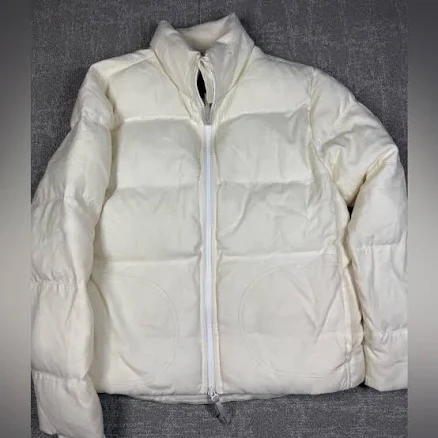
Jackets & Coats Allbirds Full Zip Wool Blend Puffer Jacket Women Size Small
- Wool blend with synthetic fill (likely polyester)
- We found no PFAS statement from the brand
- water-repellent coating (water-repellent coating) coating composition
3 hazards checked on this product. See all of them.
Allbirds
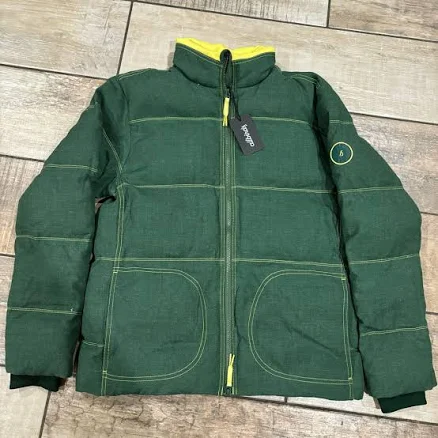
Jackets & Coats Allbirds Men's Trino Puffer Jacket Full Zip Wool Blend Forest Green Coat Size Sm
- wool blend (natural fiber dominant)
- We found no PFAS statement from the brand
- water-repellent coating (water-repellent coating) treatment - undisclosed chemistry
2 hazards checked on this product. See all of them.
Allbirds
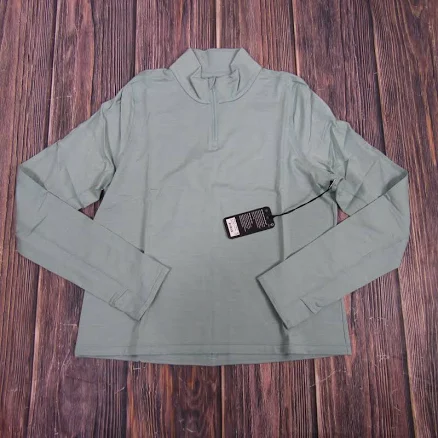
NWT Womens Medium Green Natural Run Mid Layer 1/4 Zip Jacket
- Merino wool blend (natural fiber)
- We found no PFAS statement from the brand
- Azo dyes and synthetic dye residue
3 hazards checked on this product. See all of them.
More ski & snowboard jackets grades
How we score, every product runs through the same public 0-100 rubric based on materials, coatings, brand disclosure, lab findings, and recalls. See the full methodology → Spotted a mistake? Report an error.