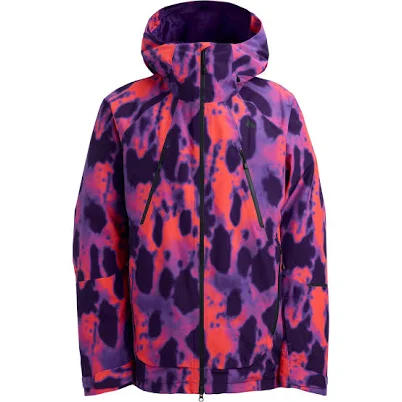
Burton · Ski & Snowboard Jackets
Burton Men's Reserve GORE-TEX 2L Insulated Jacket
High uncertainty or GORE-TEX waterproofing history with PFAS suggests caution or skip if PFAS matters.
GORE-TEX membrane jackets have historically relied on PFOA-class PFAS, though W.L. Gore claimed recent reformulations. Burton doesn't disclose PFAS status or provide third-party verification.
Still want this one anyway? Check the price on Amazon. We’d swap it.
Material
GORE-TEX 2L membrane + synthetic insulation
Brand disclosure
Brand is silent on PFAS
Lab data
No public lab test
What Burton Men's Reserve GORE-TEX 2L is made of, ingredients and materials
This jacket combines a GORE-TEX 2L (two-layer) waterproof-breathable membrane laminated to an outer shell fabric, plus synthetic insulation (likely polyester-based) for warmth. GORE-TEX's water repellency historically relied on fluorinated compounds (PFAS) to function, though current formulations vary and Burton has not publicly disclosed whether this specific product uses legacy or reformulated membrane. The synthetic insulation itself is chemically stable polyester and does not pose direct chemical leaching risk under normal use.
What’s concerning
Category baseline
The starting point for this type of product, before anything specific to this product is counted.
No PFAS disclosure
No public statement from the brand about PFAS in this product.
Waterproof / stain-resistant treatment
Water-repellent coating treatments have historically used PFAS.
PFAS
GORE-TEX 2L membranes have a well-documented history of PFAS use. While Burton has not disclosed whether this jacket uses PFAS-free alternatives, conventional GORE-TEX still carries PFAS; the water-repellent coating topcoat typically adds another layer of fluorinated chemicals. Dermal contact during wear poses minimal risk, but manufacturing and disposal routes raise exposure concerns.
Source, ATSDR ↗Formaldehyde / VOCs
Outer shell fabrics and inner lining may be treated with formaldehyde-based resins for wrinkle resistance, water repellency enhancement, or shrink control. No specific formaldehyde testing or restrictions are documented for Burton jackets. Modern mills often avoid high formaldehyde, but disclosure is absent.
Source, ATSDR ↗Azo dyes in colored fabrics
Dark-colored polyester shells can contain azo dyes, some of which break down into banned aromatic amines. No certification (e.g., OEKO-TEX, Bluesign) is listed, so azo dye restrictions are not confirmed. Risk is low in finished product but present in manufacturing and disposal.
Coating and laminate degradation over time
GORE-TEX laminates are known to delaminate or lose bond integrity with age and washing, especially in lower-cost two-layer constructions. As the coating fails, microfibers and laminate particles may shed. This is a durability issue as much as a safety one.
Volatile organic compounds (VOCs) from adhesives and finishes
Synthetic lamination, seam sealing, and water-repellent coating application emit VOCs during manufacturing and initial wear. Off-gassing typically decreases after 24-48 hours of airing, but no third-party testing is available for this specific product.
The full breakdown
The brand's record and disclosure
Burton, a major snowsports apparel company, has not made public commitments to PFAS phase-out or disclosed which products use PFAS-free alternatives. No substantive product-specific safety disclosures or third-party certifications (e.g., Bluesign, OEKO-TEX) are documented for this jacket. The brand's silence on PFAS is notable given competitor innovation in PFAS-free waterproofing; this suggests either continued reliance on conventional GORE-TEX or lack of transparency.
How it compares in its category
High-performance ski jackets in this price range commonly use GORE-TEX or similar fluorinated membranes; PFAS-free waterproof alternatives (e.g., Paragon, Pertex Shield, polyurethane laminates) exist but are less common in premium Burton lines. Insulation quality is standard; the synthetic fill avoids down-sourcing concerns but offers no chemical advantage over peers. Overall, this jacket sits in the mainstream category where PFAS exposure risk is present but not unique.
If you buy it
Wash infrequently and use cool water with gentle detergent to minimize membrane wear; avoid machine drying and high heat, which can degrade the laminate. Do not dry-clean, as solvents may compromise water repellency coatings. Expect the water-repellent coating (water-repellent coating) topcoat to degrade within 2-5 seasons depending on use frequency; re-treatment products exist but often contain additional fluorinated chemicals. Store dry in a well-ventilated space to prevent mildew and off-gassing.
What we don’t know
- Basis
- Model estimate, 45% confidence, not a lab result
- Lab test
- None on record for this exact product
- Brand statement
- Burton has made none
Formulations change between production runs, so check the current label. How we grade.
Better-graded alternatives in Ski & Snowboard Jackets
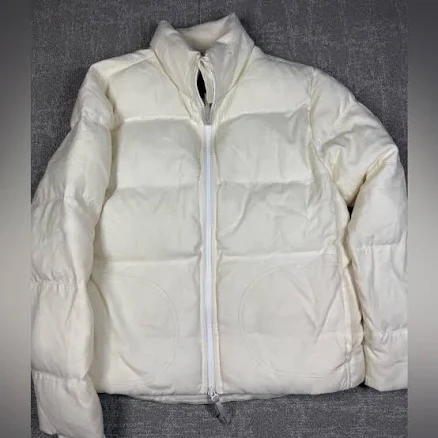
Allbirds
Jackets & Coats Allbirds Full Zip Wool Blend Puffer Jacket Women Size Small
- Wool blend with synthetic fill (likely polyester)
- We found no PFAS statement from the brand
- water-repellent coating (water-repellent coating) coating composition
3 hazards checked on this product. See all of them.
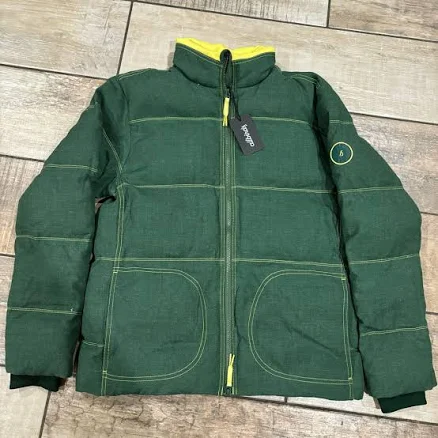
Allbirds
Jackets & Coats Allbirds Men's Trino Puffer Jacket Full Zip Wool Blend Forest Green Coat Size Sm
- wool blend (natural fiber dominant)
- We found no PFAS statement from the brand
- water-repellent coating (water-repellent coating) treatment - undisclosed chemistry
2 hazards checked on this product. See all of them.
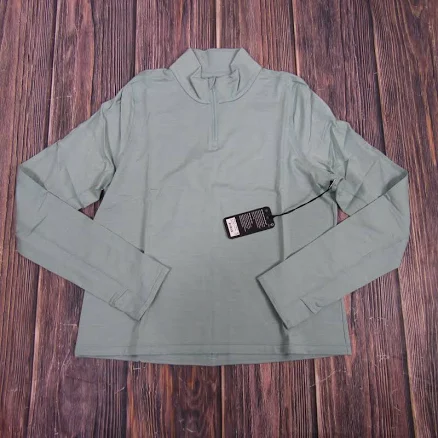
Allbirds
NWT Womens Medium Green Natural Run Mid Layer 1/4 Zip Jacket
- Merino wool blend (natural fiber)
- We found no PFAS statement from the brand
- Azo dyes and synthetic dye residue
3 hazards checked on this product. See all of them.
More ski & snowboard jackets grades
How we score, every product runs through the same public 0-100 rubric based on materials, coatings, brand disclosure, lab findings, and recalls. See the full methodology → Spotted a mistake? Report an error.