Burton · Ski & Snowboard Jackets
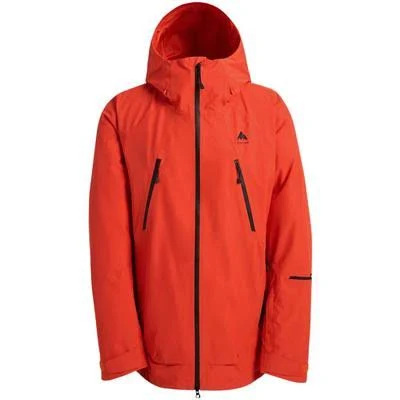
Burton Men's Reserve GORE-TEX 2L Jacket
GORE-TEX waterproofing usually contains PFAS; Burton's silence means skip it.
Burton's Reserve uses GORE-TEX, typically made with Teflon-type coating and treated with PFAS-based water repellents. Burton stays silent on PFAS and no public lab testing exists for this model.
Still want this one anyway? Check the price on Amazon. We’d swap it.
Material
GORE-TEX membrane + polyester shell with water-repellent coating treatment
Brand disclosure
Brand is silent on PFAS
Lab data
No public lab test
What Burton Men's Reserve GORE-TEX 2L Jacket is made of, ingredients and materials
Burton's Reserve jacket uses a GORE-TEX membrane laminated to a polyester shell with a water-repellent coating (water-repellent coating) finish. GORE-TEX itself is expanded Teflon-type coating (Teflon), which does not off-gas under normal wear but typically relies on PFAS-based water-repellent coating treatments for water shedding. The polyester shell itself is stable; the risk profile centers on the fluorinated water-repellent coating layer and Teflon-type coating membrane longevity rather than chemical leaching into skin or sweat.
What’s concerning
Category baseline
The starting point for this type of product, before anything specific to this product is counted.
No PFAS disclosure
No public statement from the brand about PFAS in this product.
Waterproof / stain-resistant treatment
Water-repellent coating treatments have historically used PFAS.
Teflon-type coating membrane degradation and inhalation risk
Intact GORE-TEX does not off-gas under normal conditions, but if jacket is heated above 100°C (e.g., dryer, sauna, direct flame) the Teflon-type coating membrane can degrade and potentially release fumes. This is an edge-case risk with improper care rather than typical use hazard.
water-repellent coating breakdown and re-treatment exposure
The fluorinated water-repellent coating finish degrades with washing and UV exposure, requiring periodic re-application. Consumer-applied water-repellent coating sprays or washes may vary in safety; no specific Burton guidance is available. Inhalation risk from re-treatment products is typically low if applied outdoors.
What’s reassuring
Polyester fiber and dye stability
No recalls or documented hazards related to polyester shell dyes or fiber degradation in Burton jackets. Polyester itself is chemically stable and does not leach under normal wear or moisture exposure.
Seam sealant and adhesive leaching
GORE-TEX-laminated jackets use polyurethane or similar adhesives to bond layers; no public record of chemical leaching from these adhesives into skin or sweat during normal use.
Heavy metals
Burton does not disclose dye or pigment sourcing for this jacket. No recalls or test reports indicate heavy metal contamination in Burton ski apparel; risk is not established but transparency is absent.
Source, FDA ↗The full breakdown
The brand's record and disclosure
Burton has not publicly disclosed PFAS content, source, or phase-out timelines for any of its GORE-TEX products, nor has the company published third-party testing results on water-repellent coating treatments. The brand holds no known eco-certifications (Bluesign, GOTS, Fair Trade) that would indicate independent chemical screening. No recalls or safety complaints specific to chemical hazards in Burton ski jackets have been recorded in public databases.
How it compares in its category
Most mainstream ski jackets (Salomon, The North Face, Patagonia, Arc'teryx) use GORE-TEX or similar laminated membranes, all typically paired with PFAS-based water-repellent coating, making this jacket typical rather than a category outlier. Patagonia has committed to PFAS reduction and discloses water-repellent coating chemistry; Burton's silence is notable by comparison. Non-membrane alternatives (waxed canvas, coated nylon) exist but sacrifice breathability and warmth retention for PFAS avoidance.
If you buy it
Do not expose the jacket to high heat (dryer, direct steam, ironing) as this can damage the Teflon-type coating membrane and accelerate water-repellent coating breakdown. Wash with mild detergent (avoid bleach) and line-dry to preserve coating integrity; avoid commercial dry cleaning, which uses solvents. Re-apply water-repellent coating treatment after 2-3 seasons of regular use or when water no longer beads on the shell. Store in a cool, dry place away from direct sunlight to slow degradation.
What we don’t know
- Basis
- Model estimate, 45% confidence, not a lab result
- Lab test
- None on record for this exact product
- Brand statement
- Burton has made none
Formulations change between production runs, so check the current label. How we grade.
Better-graded alternatives in Ski & Snowboard Jackets
Allbirds
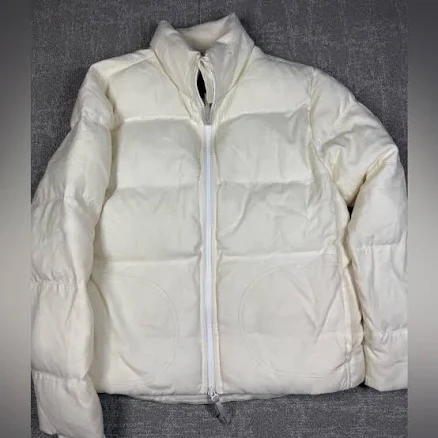
Jackets & Coats Allbirds Full Zip Wool Blend Puffer Jacket Women Size Small
- Wool blend with synthetic fill (likely polyester)
- We found no PFAS statement from the brand
- water-repellent coating (water-repellent coating) coating composition
3 hazards checked on this product. See all of them.
Allbirds
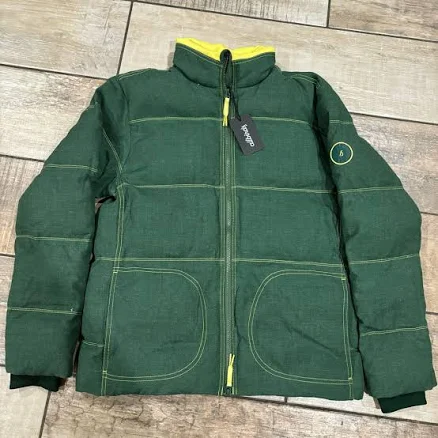
Jackets & Coats Allbirds Men's Trino Puffer Jacket Full Zip Wool Blend Forest Green Coat Size Sm
- wool blend (natural fiber dominant)
- We found no PFAS statement from the brand
- water-repellent coating (water-repellent coating) treatment - undisclosed chemistry
2 hazards checked on this product. See all of them.
Allbirds
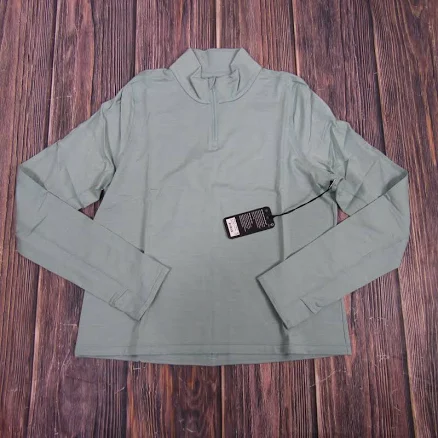
NWT Womens Medium Green Natural Run Mid Layer 1/4 Zip Jacket
- Merino wool blend (natural fiber)
- We found no PFAS statement from the brand
- Azo dyes and synthetic dye residue
3 hazards checked on this product. See all of them.
More ski & snowboard jackets grades
How we score, every product runs through the same public 0-100 rubric based on materials, coatings, brand disclosure, lab findings, and recalls. See the full methodology → Spotted a mistake? Report an error.