Burton · Ski & Snowboard Jackets
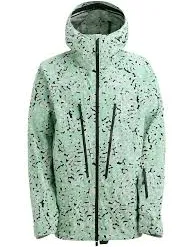
Burton Men's Tuvak GORE-TEX C-Knit 3L Jacket
Skip or research further or GORE-TEX contains Teflon-type coating or Burton lacks PFAS disclosure.
GORE-TEX is a Teflon-family coating (Teflon-type coating-based) membrane widely used for waterproofing in outdoor apparel. Teflon-type coating isn't bioaccumulative, but historical PFOA use raises durability concern. Burton makes no public statement on PFAS.
Still want this one anyway? Check the price on Amazon. We’d swap it.
Material
GORE-TEX membrane (expanded Teflon-type coating) with C-Knit backing
Brand disclosure
Brand is silent on PFAS
Lab data
No public lab test
What Burton Men's Tuvak GORE-TEX C-Knit 3L is made of, ingredients and materials
The Tuvak uses a GORE-TEX 3-layer construction with expanded Teflon-type coating (polytetrafluoroethylene) as the waterproof-breathable membrane. Teflon-type coating itself is a fluorinated polymer that does not off-gas or leach under normal wearing conditions, but the membrane is manufactured using PFAS-based surfactants and processing aids, some of which may remain as residue. The C-Knit backing is a polyester knit lining. This architecture prioritizes durability and weather protection over fluorochemical elimination.
What’s concerning
Category baseline
The starting point for this type of product, before anything specific to this product is counted.
No PFAS disclosure
No public statement from the brand about PFAS in this product.
Waterproof / stain-resistant treatment
Water-repellent coating treatments have historically used PFAS.
PFAS
GORE-TEX membranes are made using PFAS-based chemistry; residual surfactants and processing chemicals may remain in finished fabric. No published data for this specific product, but industry data suggests trace amounts are common.
Source, ATSDR ↗Microfiber shedding from worn or degraded membrane
Older or heavily used GORE-TEX jackets may shed Teflon-type coating microfibers if the membrane delaminates. This is a durability issue rather than acute toxicity, but microplastics ingestion is a concern if shed fibers enter waterways or are inhaled during handling.
What’s reassuring
Polyester backing and yarn degradation
Polyester C-Knit lining does not typically leach chemicals under normal wear or washing. Risk exists only if jacket is repeatedly exposed to prolonged heat (sauna, dryer, intense sun) which can accelerate polymer degradation; not typical for ski use.
Azo dyes in polyester lining and outer shell
Burton does not market this jacket as dye-tested or azo-free. No recalls or known contamination on record for Burton apparel. Azo dye risk is low for dark-colored technical shells but not independently verified for this model.
Formaldehyde / VOCs
No formaldehyde cross-linking or water-repellent resin finishing is typical for GORE-TEX jackets; the water-repellent coating (water-repellent coating) is applied to the outer shell but not independently tested for formaldehyde content in this product.
Source, ATSDR ↗The full breakdown
The brand's record and disclosure
Burton, a major snowsports equipment manufacturer, has not published comprehensive PFAS disclosure statements or third-party testing for apparel as of public record. The company does not advertise PFAS-free water repellency in this product line. Burton holds no widely recognized certifications specifically eliminating PFAS in textiles (e.g., STANDARD 100 by OEKO-TEX or bluesign system). The brand's silence on fluorochemical sourcing is typical of the snowsports industry but limits consumer transparency.
How it compares in its category
Most ski jackets in the mid-to-premium segment (Burton, Patagonia, The North Face) use GORE-TEX or equivalent Teflon-type coating membranes, which means widespread PFAS exposure in this category. Very few brands offer PFAS-free waterproof alternatives at equivalent performance levels; those that do (e.g., some Patagonia H2No or wax-based options) sacrifice durability or breathability. The Tuvak is mainstream for its segment and offers no distinguishing PFAS mitigation versus competitors.
If you buy it
Wash separately in cool water with minimal detergent to avoid breaking down the water-repellent treatment and releasing trapped processing residues. Do not dry-clean or heat-dry; air-dry only. Replace the jacket if the membrane visibly delaminates or loses water repellency, as worn membranes may shed microfibers and accumulated deposits. Store in a breathable bag to prevent mildew, which does not pose direct chemical hazard but signals moisture trapping.
What we don’t know
- Basis
- Model estimate, 35% confidence, not a lab result
- Lab test
- None on record for this exact product
- Brand statement
- Burton has made none
Formulations change between production runs, so check the current label. How we grade.
Better-graded alternatives in Ski & Snowboard Jackets
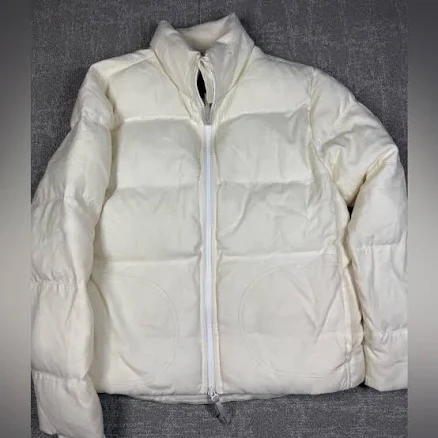
Allbirds
Jackets & Coats Allbirds Full Zip Wool Blend Puffer Jacket Women Size Small
- Wool blend with synthetic fill (likely polyester)
- We found no PFAS statement from the brand
- water-repellent coating (water-repellent coating) coating composition
3 hazards checked on this product. See all of them.
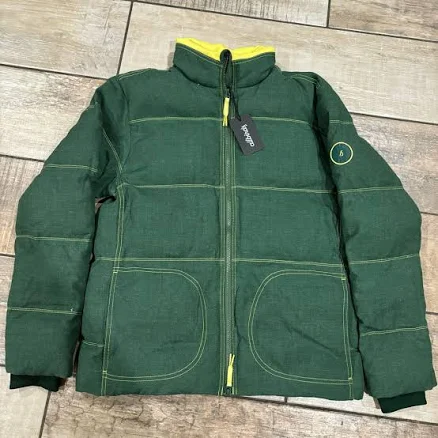
Allbirds
Jackets & Coats Allbirds Men's Trino Puffer Jacket Full Zip Wool Blend Forest Green Coat Size Sm
- wool blend (natural fiber dominant)
- We found no PFAS statement from the brand
- water-repellent coating (water-repellent coating) treatment - undisclosed chemistry
2 hazards checked on this product. See all of them.
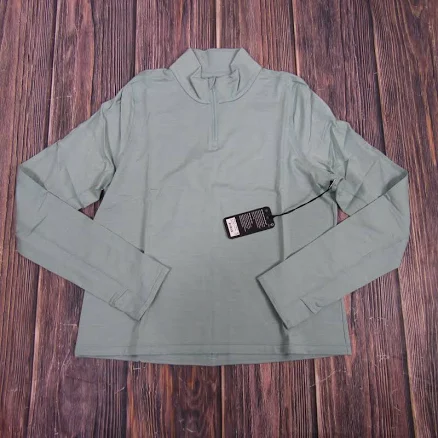
Allbirds
NWT Womens Medium Green Natural Run Mid Layer 1/4 Zip Jacket
- Merino wool blend (natural fiber)
- We found no PFAS statement from the brand
- Azo dyes and synthetic dye residue
3 hazards checked on this product. See all of them.
More ski & snowboard jackets grades
How we score, every product runs through the same public 0-100 rubric based on materials, coatings, brand disclosure, lab findings, and recalls. See the full methodology → Spotted a mistake? Report an error.