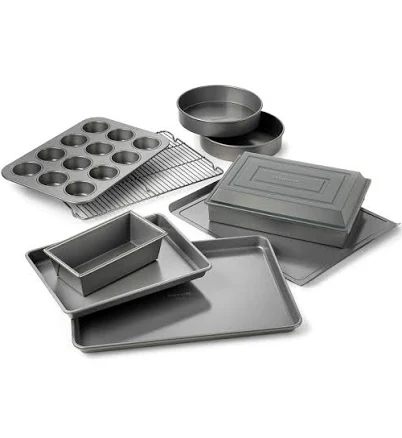
Calphalon · Silicone Baking Molds
Calphalon Nonstick Bakeware 10-Piece Set, Is It Non-Toxic?
Nonstick coating type not disclosed; PFAS risk unclear, higher caution advised.
Calphalon doesn't specify whether this bakeware uses Teflon-type coating or other Teflon-family coating. Standard nonstick cookware frequently contains PFAS, and the brand offers no transparency here.
Still want this one anyway? Check the price on Amazon. We’d swap it.
Material
Nonstick coating, composition unspecified
Lab data
No public lab test
You may also be interested in
Top-graded picks in the categories readers replace first, every one scored on the same rubric.

- polypropylene filter housing, carbon/sediment cartridge
- We found no PFAS statement from the brand
- Bacterial growth in spent cartridges
3 hazards checked on this product, all on its full breakdown.

Aquasure
Premier Series 75 GPD Under Sink Reverse Osmosis Water Filtration System
- RO membrane, carbon filters, stainless steel housing
- We found no PFAS statement from the brand
- Bacterial and microbial growth in housing and filters
4 hazards checked on this product, all on its full breakdown.

Avocado
Vegan Mattress
- organic cotton, natural latex, coconut coir, recycled steel coils
- The brand calls it PFAS-free, which we have not verified
- Heavy metals
2 hazards checked on this product, all on its full breakdown.
Is Calphalon Nonstick Bakeware 10-Piece Set non-toxic? What it is made of
Calphalon does not publicly specify whether this bakeware uses Teflon-type coating (Teflon-type) or ceramic nonstick coatings. The unspecified formulation creates ambiguity around thermal stability and chemical composition. Steel or aluminum substrate under the coating is typical for this product class, but substrate material is also not detailed in standard product documentation. Without material transparency, risk assessment relies on general nonstick coating hazards rather than product-specific data.
What’s concerning
Category baseline
The starting point for this type of product, before anything specific to this product is counted.
No PFAS disclosure
No public statement from the brand about PFAS in this product.
Non-stick, chemistry undisclosed
Marketed as non-stick without stating the coating chemistry.
Teflon-type coating thermal decomposition (fume risk)
If coating contains Teflon-type coating, overheating above 500F can release perfluorinated gases; risk is real only if composition is Teflon-type coating-based, which Calphalon has not confirmed or denied for this set.
Coating degradation and substrate exposure
Nonstick bakeware coatings commonly chip or peel with age or aggressive cleaning. Once compromised, aluminum or steel substrate may contact food; no test data exists for this specific model, but degradation is a known failure mode across nonstick baking molds.
Aluminum leaching (if aluminum substrate)
If the substrate is aluminum and coating fails, direct aluminum-food contact is possible at high temperatures. Calphalon does not confirm substrate material, so this risk cannot be ruled out; typical for budget nonstick bakeware.
Lack of material transparency
Calphalon's refusal to specify whether coating is Teflon-type coating, ceramic, or proprietary blend is a documented industry practice but increases consumer inability to assess chemical exposure. This opacity is a known issue with many major nonstick brands.
How is this PFAS grade calculated?
The brand's record and disclosure
Calphalon (owned by Groupe SEB) maintains no public stance on PFAS use or phase-out in this product line. The brand does not disclose coating chemistry on retail listings or safety documentation for this bakeware set. Calphalon has faced no major recalls specific to this bakeware set, but the company's historical opacity on nonstick composition is notable. No third-party certifications (Greenguard, GOTS, etc.) are claimed for this product.
How it compares in its category
Nonstick bakeware sets vary widely, ceramic-coated alternatives (e.g., GreenPan, Caraway) disclose PFOA/Teflon-type coating-free status; silicone or parchment are fully inert alternatives; traditional Teflon-type coating coatings remain common and affordable but lack transparency. Calphalon's refusal to specify coating type places it in the middle-risk category for nonstick bakeware, where PFAS content cannot be ruled out. Comparable unspecified nonstick brands (T-fal, Circulon) share this disclosure gap.
If you buy it
Keep oven temperature at manufacturer maximum (usually 350-400F); do not preheat empty. Inspect coating annually for chips, peeling, or discoloration and replace if visible damage occurs. Hand-wash rather than dishwasher to extend coating life. Use silicone or wood utensils only. If the coating begins to flake or you smell chemical odors when heating, discontinue use immediately.
What is not known about PFAS in this product?
- Basis
- Model estimate, 35% confidence, not a lab result
- Lab test
- None on record for this exact product
- Brand statement
- Calphalon has made a specific claim
Formulations change between production runs, so check the current label. How we grade.
What are the PFAS-free alternatives to Calphalon Nonstick Bakeware 10-Piece Set?
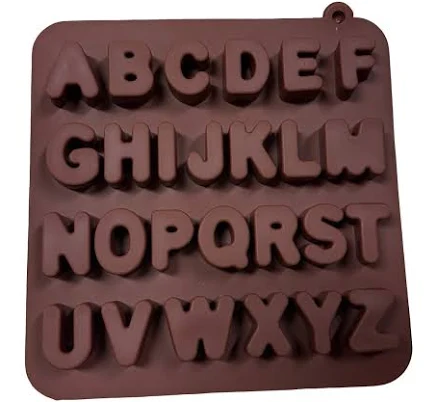
Silicone Baking Mold (Alphabet)
- Silicone (food-grade)
- Silicone degradation and microparticle shedding
2 hazards checked on this product, all on its full breakdown.
Find an alternative on Amazon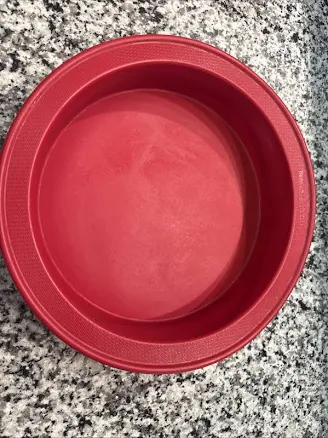
- Silicone (food-grade)
- Silicone degradation and microparticle release
2 hazards checked on this product, all on its full breakdown.
Find an alternative on Amazon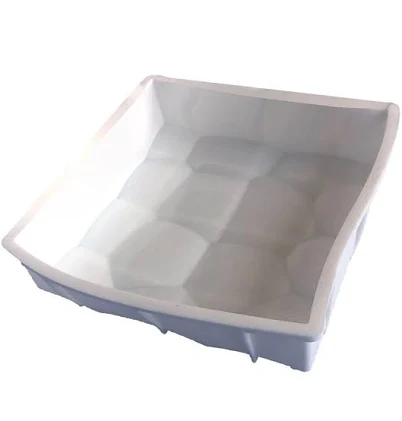
Cobblestone Pan Silicone Baking & Freezing Mold
- food-grade silicone
- Silicone oligomer leaching
3 hazards checked on this product, all on its full breakdown.
Find an alternative on AmazonMore silicone baking molds grades
How we score, every product runs through the same public 0-100 rubric based on materials, coatings, brand disclosure, lab findings, and recalls. See the full methodology → Spotted a mistake? Report an error.