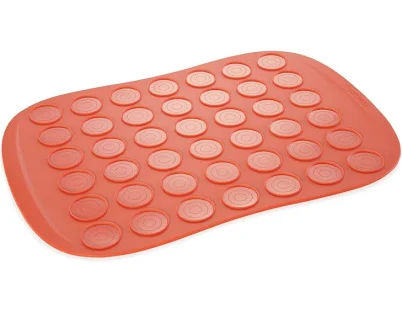
Tescoma · Silicone Baking Molds
Tescoma Delicia SiliconPRIME Macaron Pan, 39 x 0.5 x 27cm - Orange, Is It Non-Toxic?
Skip until brand discloses nonstick coating composition.
Tescoma doesn't disclose whether the silicone coating contains PFAS. Nonstick baking pan materials remain unspecified by the manufacturer.
Still want this one anyway? Check the price on Amazon. We’d swap it.
Material
Silicone-coated baking pan, coating unspecified
Brand disclosure
Brand is silent on PFAS
Lab data
No public lab test
You may also be interested in
Top-graded picks in the categories readers replace first, every one scored on the same rubric.

- polypropylene filter housing, carbon/sediment cartridge
- We found no PFAS statement from the brand
- Bacterial growth in spent cartridges
3 hazards checked on this product, all on its full breakdown.

Aquasure
Premier Series 75 GPD Under Sink Reverse Osmosis Water Filtration System
- RO membrane, carbon filters, stainless steel housing
- We found no PFAS statement from the brand
- Bacterial and microbial growth in housing and filters
4 hazards checked on this product, all on its full breakdown.

Avocado
Vegan Mattress
- organic cotton, natural latex, coconut coir, recycled steel coils
- The brand calls it PFAS-free, which we have not verified
- Heavy metals
2 hazards checked on this product, all on its full breakdown.
Is Tescoma Delicia SiliconPRIME Orange non-toxic? What it is made of
This Tescoma pan combines a metal (likely aluminum or steel) substrate with a silicone-based outer layer and an unidentified nonstick interior coating. The critical unknown is whether the nonstick surface uses Teflon-type coating (Teflon) and fluorinated compounds or is purely silicone-based. Silicone itself is generally stable at typical baking temperatures (up to 230°C/450°F), but the substrate and coating durability depend heavily on manufacturing quality and the specific adhesion chemistry used.
What’s concerning
Category baseline
The starting point for this type of product, before anything specific to this product is counted.
No PFAS disclosure
No public statement from the brand about PFAS in this product.
Non-stick, chemistry undisclosed
Marketed as non-stick without stating the coating chemistry.
Teflon-type coating/Fluorinated nonstick coating (unspecified)
Tescoma does not publicly disclose whether the interior nonstick layer contains Teflon-type coating, PFOA, or other Teflon-family coating. If present and overheated above 230°C, these coatings can release toxic fumes; risk is moderate with normal oven use but unquantified without lab testing.
Coating degradation and particle shedding
Silicone-coated metal pans may shed microscopic coating particles if the adhesion layer weakens with age, thermal stress, or mechanical wear. This is a known failure mode in lower-cost molds; no specific testing of this model is publicly available.
What’s reassuring
Aluminum substrate leaching
If the underlying pan is aluminum, direct contact with acidic foods (e.g., citrus batters) could theoretically promote leaching, but the silicone coating is intended to prevent this. No reports of leaching from this specific product are on record.
Heavy metals
The orange silicone exterior uses food-grade colorants in compliance with EU regulations, and no cadmium or lead contamination has been reported for Tescoma baking molds. Risk is low for a European manufacturer under CE marking, but third-party lab confirmation is absent.
Source, FDA ↗Off-gassing or odor from curing resins
New silicone kitchen tools sometimes emit a rubber smell for days or weeks as residual uncrosslinked oligomers volatilize. This is not typically hazardous at room temperature, but soaking the pan in warm water before first use can reduce odor.
How is this PFAS grade calculated?
The brand's record and disclosure
Tescoma is a Czech kitchenware manufacturer with no publicly available transparency regarding PFAS content in its nonstick coatings or certifications (e.g., GREENGUARD, third-party heavy metals testing). The brand has not issued category-wide statements about fluorinated compounds in baking molds. No major safety recalls specific to this product line are on record, but the lack of disclosure is a red flag in an industry where competitors increasingly publicize PFAS-free claims.
How it compares in its category
Silicone baking mats and molds occupy a safer-by-default position than traditional Teflon-type coating nonstick pans because pure silicone does not require fluorinated compounds. However, many brands still add Teflon-type coating or other Teflon-family coating to silicone molds for durability and performance. Competitors like Lekue and some OXO products explicitly market Teflon-type coating-free or PFOA-free lines; Tescoma's silence suggests either older formulations or unwillingness to market on this basis. Price point ($15, 25 range) suggests mid-tier manufacturing without premium safety certifications.
If you buy it
Contact Tescoma directly to confirm the nonstick coating is Teflon-type coating and PFOA-free before purchase; do not assume silicone means no fluorinated additives. Use only to 220°C (425°F) maximum to avoid coating stress and potential fume release. Hand wash and avoid scouring pads to preserve the coating; dishwasher cycling may degrade adhesion. Replace if coating shows peeling, discoloration, or visible wear; a failing nonstick layer may shed particles into food.
What is not known about PFAS in this product?
- Basis
- Model estimate, 35% confidence, not a lab result
- Lab test
- None on record for this exact product
- Brand statement
- Tescoma has made none
Formulations change between production runs, so check the current label. How we grade.
What are the PFAS-free alternatives to Tescoma Delicia SiliconPRIME Macaron Pan, 39 x 0.5 x 27cm - Orange?
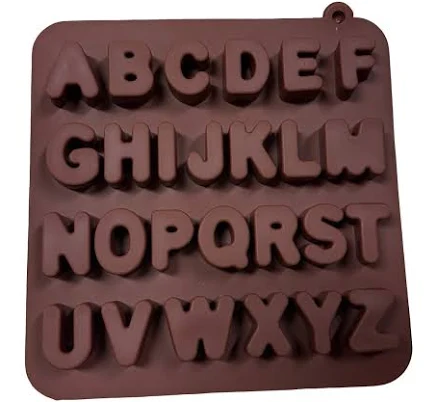
Silicone Baking Mold (Alphabet)
- Silicone (food-grade)
- Silicone degradation and microparticle shedding
2 hazards checked on this product, all on its full breakdown.
Find an alternative on Amazon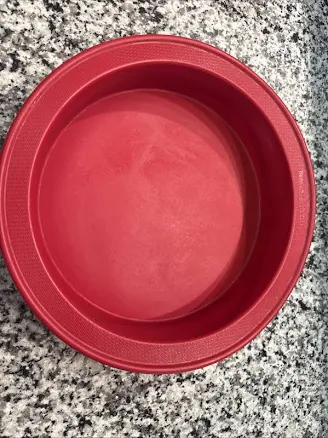
- Silicone (food-grade)
- Silicone degradation and microparticle release
2 hazards checked on this product, all on its full breakdown.
Find an alternative on Amazon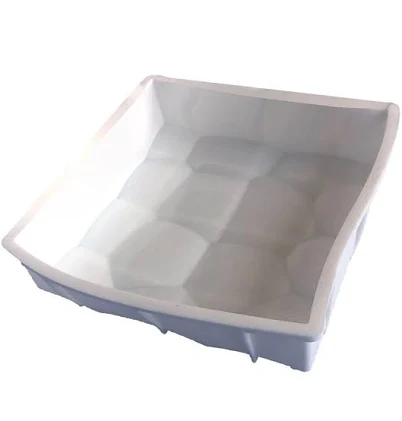
Cobblestone Pan Silicone Baking & Freezing Mold
- food-grade silicone
- Silicone oligomer leaching
3 hazards checked on this product, all on its full breakdown.
Find an alternative on AmazonMore silicone baking molds grades
How we score, every product runs through the same public 0-100 rubric based on materials, coatings, brand disclosure, lab findings, and recalls. See the full methodology → Spotted a mistake? Report an error.