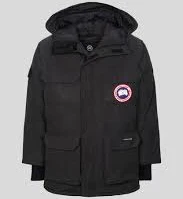
Canada Goose · Ski & Snowboard Jackets
Canada Goose Men's Expedition Parka
High PFAS risk from water-repellent coating treatment; brand offers no transparency.
Canada Goose parkas typically use water-repellent coating coatings on synthetic shells, a known PFAS application. The brand does not disclose PFAS status or provide certifications, leaving composition unclear.
Still want this one anyway? Check the price on Amazon. We’d swap it.
Material
Down-filled parka with nylon shell, water-repellent coating
Brand disclosure
Brand is silent on PFAS
Lab data
No public lab test
You may also be interested in
Top-graded picks in the categories readers replace first, every one scored on the same rubric.

- polypropylene filter housing, carbon/sediment cartridge
- We found no PFAS statement from the brand
- Bacterial growth in spent cartridges
3 hazards checked on this product, all on its full breakdown.

Aquasure
Premier Series 75 GPD Under Sink Reverse Osmosis Water Filtration System
- RO membrane, carbon filters, stainless steel housing
- We found no PFAS statement from the brand
- Bacterial and microbial growth in housing and filters
4 hazards checked on this product, all on its full breakdown.

Avocado
Vegan Mattress
- organic cotton, natural latex, coconut coir, recycled steel coils
- The brand calls it PFAS-free, which we have not verified
- Heavy metals
2 hazards checked on this product, all on its full breakdown.
What Canada Goose Men's Expedition Parka is made of, ingredients and materials
This parka combines a nylon outer shell with down insulation and a water-repellent coating (water-repellent coating) finish. The nylon itself is chemically inert and stable, but the water-repellent coating, which makes the shell water-resistant, is where chemical concern concentrates. Canada Goose does not publicly disclose whether they use fluorinated PFAS-based water-repellent coating or newer fluorine-free alternatives, which is the core safety issue for this product.
What’s concerning
Waterproof / stain-resistant treatment
Water-repellent coating treatments have historically used PFAS.
Category baseline
The starting point for this type of product, before anything specific to this product is counted.
No PFAS disclosure
No public statement from the brand about PFAS in this product.
water-repellent coating (water-repellent coating) fluorochemical coating
Standard fluorinated PFAS-based water-repellent coating is the industry norm for premium parkas; Canada Goose's silence on formulation suggests likely PFAS use, though unconfirmed. water-repellent coating degrades and sheds with washing and wear, potentially releasing residues.
Formaldehyde / VOCs
Nylon shells may contain formaldehyde-releasing resins used in dyeing or finishing; major brands including Canada Goose typically meet regulatory ceilings but do not always disclose formaldehyde-free processes.
Source, ATSDR ↗Down sourcing and allergen risk
Down can retain dust mites, mold spores, and bacterial contaminants if stored or processed in poor conditions. Canada Goose does not transparently confirm sterilization or allergen testing protocols; sensitive individuals may react to residual biologics.
What’s reassuring
Azo dyes
No public evidence of concerns with Canada Goose's nylon dyeing or azo dye use. Premium nylon suppliers generally avoid banned azo compounds, though testing results are not typically published.
Nylon degradation and microfiber shedding
Nylon is chemically stable and does not degrade or leach into skin under normal wear. Microfiber shedding is unavoidable in washing but poses no acute toxicity risk to the wearer.
How is this PFAS grade calculated?
The brand's record and disclosure
Canada Goose has not published detailed chemical safety policies, supplier restrictions, or water-repellent coating sourcing transparency. The brand markets premium durability and performance but remains silent on persistent chemical use. No major recalls or formal safety violations have been publicly documented for this product line, but absence of disclosure is not absence of risk.
How it compares in its category
Premium down parkas commonly use fluorinated water-repellent coating coatings; Canada Goose is not alone in this practice. However, competitors like Arc'teryx and The North Face have begun adopting or offering fluorine-free water-repellent coating alternatives and publish water-repellent coating sourcing standards. Canada Goose's silence puts it behind the transparency curve among equivalent-tier brands.
If you buy it
Expect water-repellent coating performance to degrade after 3-5 years of regular use; professional water-repellent coating reapplication or replacement of the shell will incur cost. Wash infrequently in cool water and air dry to extend coating life and minimize leaching. Do not dry clean (solvents accelerate coating breakdown). If worn regularly in wet climates, budget for re-treatment or eventual replacement as the main sustainability concern.
What is not known about PFAS in this product?
- Basis
- Model estimate, 45% confidence, not a lab result
- Lab test
- None on record for this exact product
- Brand statement
- Canada Goose has made none
Formulations change between production runs, so check the current label. How we grade.
What are the PFAS-free alternatives to Canada Goose Men's Expedition Parka?
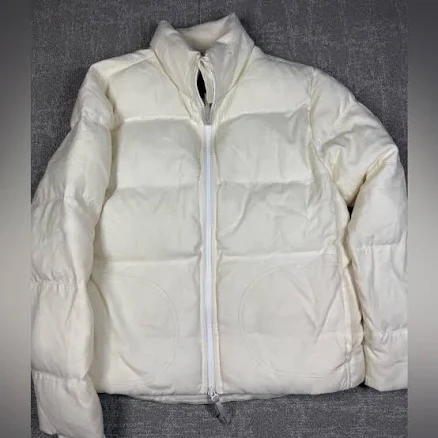
- Wool blend with synthetic fill (likely polyester)
- We found no PFAS statement from the brand
- water-repellent coating (water-repellent coating) coating composition
3 hazards checked on this product, all on its full breakdown.
Find an alternative on Amazon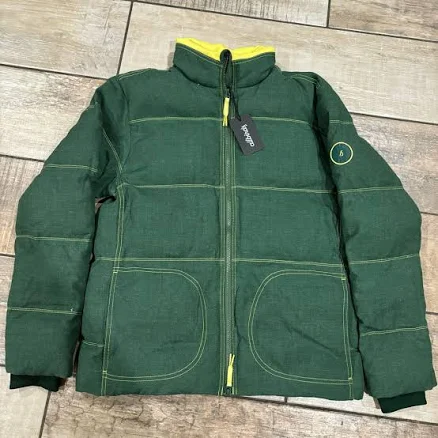
Allbirds
Jackets & Coats Allbirds Men's Trino Puffer Jacket Full Zip Wool Blend Forest Green Coat Size Sm
- wool blend (natural fiber dominant)
- We found no PFAS statement from the brand
- water-repellent coating (water-repellent coating) treatment - undisclosed chemistry
2 hazards checked on this product, all on its full breakdown.
Find an alternative on Amazon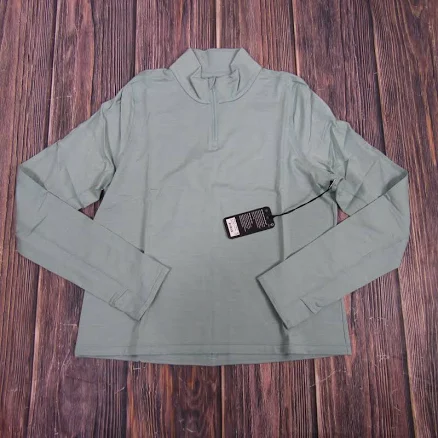
- Merino wool blend (natural fiber)
- We found no PFAS statement from the brand
- Azo dyes and synthetic dye residue
3 hazards checked on this product, all on its full breakdown.
Find an alternative on AmazonMore ski & snowboard jackets grades
How we score, every product runs through the same public 0-100 rubric based on materials, coatings, brand disclosure, lab findings, and recalls. See the full methodology → Spotted a mistake? Report an error.