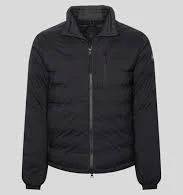
Canada Goose · Ski & Snowboard Jackets
Canada Goose Men's Lodge Jacket
No PFAS disclosure. water-repellent coating likely contains PFAS, standard in outerwear.
Canada Goose does not publicly disclose PFAS use or absence in the Lodge Jacket. The water-repellent coating (water-repellent coating) shell coating typically contains PFAS, which is industry standard for this jacket category.
Still want this one anyway? Check the price on Amazon. We’d swap it.
Material
Down insulation, nylon shell with water-repellent coating finish
Brand disclosure
Brand is silent on PFAS
Lab data
No public lab test
You may also be interested in
Top-graded picks in the categories readers replace first, every one scored on the same rubric.

- polypropylene filter housing, carbon/sediment cartridge
- We found no PFAS statement from the brand
- Bacterial growth in spent cartridges
3 hazards checked on this product, all on its full breakdown.

Aquasure
Premier Series 75 GPD Under Sink Reverse Osmosis Water Filtration System
- RO membrane, carbon filters, stainless steel housing
- We found no PFAS statement from the brand
- Bacterial and microbial growth in housing and filters
4 hazards checked on this product, all on its full breakdown.

Avocado
Vegan Mattress
- organic cotton, natural latex, coconut coir, recycled steel coils
- The brand calls it PFAS-free, which we have not verified
- Heavy metals
2 hazards checked on this product, all on its full breakdown.
What Canada Goose Men's Lodge Jacket is made of, ingredients and materials
The Lodge Jacket uses white goose down insulation (typically 625-750 fill power) wrapped in a nylon ripstop outer shell treated with a water-repellent (water-repellent coating) finish. The nylon itself is a stable synthetic polymer with no inherent leaching risk under normal wear. The water-repellent coating, however, is the critical component, most outerwear brands apply fluorinated water-repellent coating systems (PFAS-based) to achieve durable water resistance, though some competitors now offer PFOA-free alternatives. Canada Goose has not publicly disclosed what water-repellent coating chemistry they use.
What’s concerning
Waterproof / stain-resistant treatment
Water-repellent coating treatments have historically used PFAS.
Category baseline
The starting point for this type of product, before anything specific to this product is counted.
No PFAS disclosure
No public statement from the brand about PFAS in this product.
water-repellent coating durability and composition
Standard nylon water-repellent coating finishes degrade with washing and wear; Canada Goose's specific chemistry is undisclosed. If fluorinated (probable), reapplication over years could introduce repeated low-level exposure during home laundering and coat handling.
Down insulation quality and allergenicity
Goose down can retain dust, mites, or bacterial residues if insufficiently cleaned during processing. Canada Goose claims responsible sourcing, but independent verification of sanitization standards is not publicly available. Risk is lower with premium down but non-zero for sensitive individuals.
What’s reassuring
Nylon fiber microrelease
Nylon ripstop is stable under normal wear and washing. No established evidence of microplastic shedding at levels of concern from outerwear nylon, though fiber loss is theoretically possible with abrasion and laundering.
Dyes and finish residues in nylon shell
No recalls or documented issues with azo dyes, heavy metal pigments, or formaldehyde resins in Canada Goose nylon shells. Industry-standard nylon dyeing and finishing carry low toxicity risk post-manufacture.
Flame retardants
Outerwear jackets are not regulated flame retardant products, and no evidence suggests Canada Goose applies flame retardant treatments to the Lodge Jacket. Risk is not applicable to this garment class.
Source, EPA ↗How is this PFAS grade calculated?
The brand's record and disclosure
Canada Goose does not publish ingredient disclosures, chemical inventories, or PFAS policy statements on this product line as of available records. The brand has faced criticism for environmental opacity around down sourcing (they claim responsible traceability) but remain silent on synthetic coatings. No recalls or substantiated health controversies specific to this jacket are documented. Their lack of transparency mirrors many premium outerwear manufacturers, but contrasts with brands (Arc'teryx, The North Face) that have committed to PFAS phase-outs or publish water-repellent coating alternatives.
How it compares in its category
Premium down insulated parkas typically use PFAS-based water-repellent coating by default, making Canada Goose standard practice rather than outlier. Competitors like Moncler, Patagonia, and Arc'teryx occupy similar price and performance tiers, though some (Patagonia) offer certified PFAS-free options in select lines. Non-fluorinated water-repellent coating alternatives exist (wax, silicone, polyurethane coatings) but sacrifice durability and often require more frequent reapplication. If water-repellent coating transparency is a priority, this jacket offers no competitive advantage; if performance-first, it performs like any other premium down parka.
If you buy it
Wash sparingly in cold water and air-dry to preserve the water-repellent coating and minimize any potential shedding of nano-particles from nylon fibers. Avoid high heat, dryers, and direct sunlight during storage, which can degrade the shell. Reapply water-repellent coating every 1-2 years if water beading diminishes; choose a product explicitly labeled PFAS-free if available. Do not assume the down is hypoallergenic; pre-existing dust mite sensitivity may require a synthetic alternative despite its lower thermal efficiency.
What is not known about PFAS in this product?
- Basis
- Model estimate, 45% confidence, not a lab result
- Lab test
- None on record for this exact product
- Brand statement
- Canada Goose has made none
Formulations change between production runs, so check the current label. How we grade.
What are the PFAS-free alternatives to Canada Goose Men's Lodge Jacket?
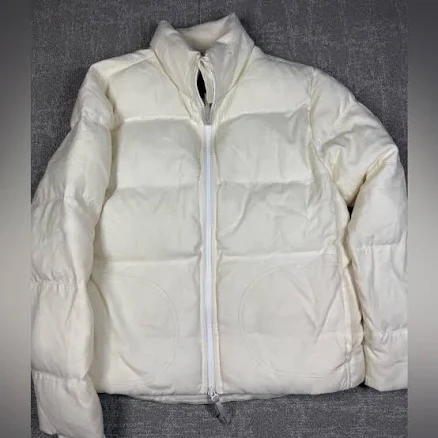
- Wool blend with synthetic fill (likely polyester)
- We found no PFAS statement from the brand
- water-repellent coating (water-repellent coating) coating composition
3 hazards checked on this product, all on its full breakdown.
Find an alternative on Amazon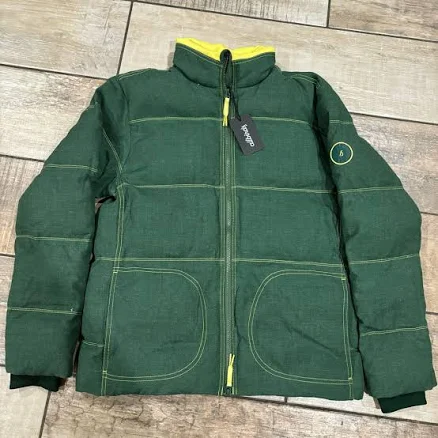
Allbirds
Jackets & Coats Allbirds Men's Trino Puffer Jacket Full Zip Wool Blend Forest Green Coat Size Sm
- wool blend (natural fiber dominant)
- We found no PFAS statement from the brand
- water-repellent coating (water-repellent coating) treatment - undisclosed chemistry
2 hazards checked on this product, all on its full breakdown.
Find an alternative on Amazon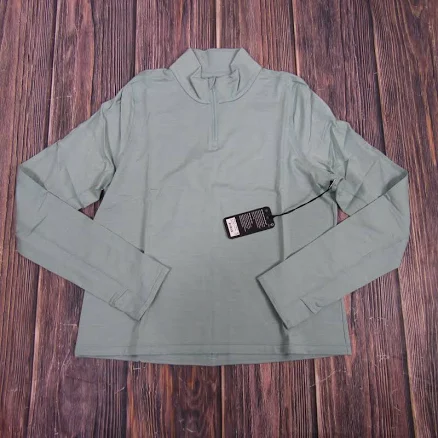
- Merino wool blend (natural fiber)
- We found no PFAS statement from the brand
- Azo dyes and synthetic dye residue
3 hazards checked on this product, all on its full breakdown.
Find an alternative on AmazonMore ski & snowboard jackets grades
How we score, every product runs through the same public 0-100 rubric based on materials, coatings, brand disclosure, lab findings, and recalls. See the full methodology → Spotted a mistake? Report an error.