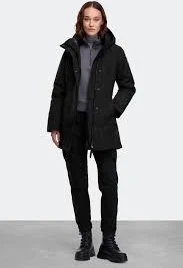
Canada Goose · Ski & Snowboard Jackets
Canada Goose Women's Leslie Parka
water-repellent coating typical risk; brand silent on PFAS details.
Canada Goose does not publicly disclose PFAS use in their water-repellent coating treatments. Waterproof parkas commonly use fluorinated water repellents; no third-party verification available for this model.
Still want this one anyway? Check the price on Amazon. We’d swap it.
Material
Down-filled parka with water-repellent coating (water-repellent coating) treated shell
Brand disclosure
Brand is silent on PFAS
Lab data
No public lab test
You may also be interested in
Top-graded picks in the categories readers replace first, every one scored on the same rubric.

- polypropylene filter housing, carbon/sediment cartridge
- We found no PFAS statement from the brand
- Bacterial growth in spent cartridges
3 hazards checked on this product, all on its full breakdown.

Aquasure
Premier Series 75 GPD Under Sink Reverse Osmosis Water Filtration System
- RO membrane, carbon filters, stainless steel housing
- We found no PFAS statement from the brand
- Bacterial and microbial growth in housing and filters
4 hazards checked on this product, all on its full breakdown.

Avocado
Vegan Mattress
- organic cotton, natural latex, coconut coir, recycled steel coils
- The brand calls it PFAS-free, which we have not verified
- Heavy metals
2 hazards checked on this product, all on its full breakdown.
What Canada Goose Women's Leslie Parka is made of, ingredients and materials
The Leslie Parka combines a synthetic shell (likely polyester or nylon) treated with a water-repellent coating (water-repellent coating) finish, insulated with down clusters, and lined with a secondary fabric. The water-repellent coating treatment is the primary chemical concern here, traditional formulations used PFOS/PFOA (now restricted), but many brands have switched to shorter-chain PFAS or fluorine-free alternatives without public disclosure. Down itself is a natural material but can harbor dust and allergens; the synthetic shell and lining may off-gas slightly during manufacturing and initial use.
What’s concerning
Waterproof / stain-resistant treatment
Water-repellent coating treatments have historically used PFAS.
Category baseline
The starting point for this type of product, before anything specific to this product is counted.
No PFAS disclosure
No public statement from the brand about PFAS in this product.
Formaldehyde / VOCs
Polyester and nylon shells may contain formaldehyde-based finishing resins for wrinkle or shrink resistance. Industry standard but can off-gas in the first weeks of wear or storage; not a major concern in ventilated use but may trigger sensitivity in enclosed spaces.
Source, ATSDR ↗Down dust and allergen exposure
Untreated down can release fine particles and trapped allergens (dust mites, mold spores) when compressed or agitated. Parkas are typically well-sealed, limiting direct inhalation, but people with severe down allergies should be aware. Hypoallergenic down reduces but does not eliminate this risk.
Synthetic shell off-gassing (VOCs)
New polyester and nylon shells may emit minor volatile organic compounds during manufacturing and initial storage. Airing out the parka outdoors for a few hours after purchase can reduce odor and off-gassing; risk is low in typical wear conditions.
What’s reassuring
Heavy metals
No established recalls or public concern about Canada Goose parkas for azo dye or metal contamination in shell pigments. Reputable manufacturers typically comply with EU and North American dye standards, but no specific third-party testing of this model is on record.
Source, FDA ↗Flame retardants
No public disclosure or known use of chemical flame retardants in Canada Goose down parkas. Down and most synthetic insulation require minimal additive treatment compared to foam or polyester batting; regulatory requirements in North America are unlikely to apply to apparel of this type.
Source, EPA ↗How is this PFAS grade calculated?
The brand's record and disclosure
Canada Goose has not publicly committed to PFAS-free water-repellent coating coatings or disclosed which chemistry it uses in the Leslie Parka or other styles. The brand does not list certifications like bluesign, GOTS, or OEKO-TEX on product pages. This silence is notable given the luxury price point and competitor transparency; some high-end outdoor brands now specify fluorine-free or legacy-PFAS-free treatments. No major recalls or formaldehyde/heavy-metal scandals are on record for Canada Goose apparel.
How it compares in its category
Premium down parkas typically share this water-repellent coating dilemma, most use some form of water treatment, and disclosure varies widely. Brands like Patagonia and Arc'teryx now highlight fluorine-free water-repellent coating options, while others remain opaque. Canada Goose sits in the silent-but-mainstream camp. Non-down alternatives (synthetic insulation) eliminate down allergen risk but often require equally treated shells, so the choice is not a clear hazard trade-off.
If you buy it
Wash sparingly (use cool water, gentle cycle, down-specific detergent) to minimize shell degradation and leaching of any residual coating chemicals. Air dry or very low heat; high dryer heat can stress the shell and lining. Inspect seams and water-repellency annually; reapplication of water-repellent coating treatments (often fluorine-based) will happen eventually if you own it long-term, so budget for that decision. Store dry and uncompressed to extend shell integrity and avoid mold growth in the down.
What is not known about PFAS in this product?
- Basis
- Model estimate, 45% confidence, not a lab result
- Lab test
- None on record for this exact product
- Brand statement
- Canada Goose has made none
Formulations change between production runs, so check the current label. How we grade.
What are the PFAS-free alternatives to Canada Goose Women's Leslie Parka?
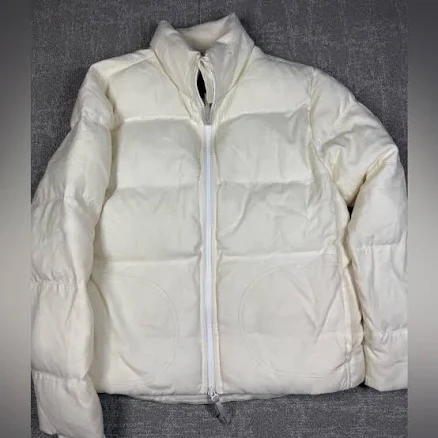
- Wool blend with synthetic fill (likely polyester)
- We found no PFAS statement from the brand
- water-repellent coating (water-repellent coating) coating composition
3 hazards checked on this product, all on its full breakdown.
Find an alternative on Amazon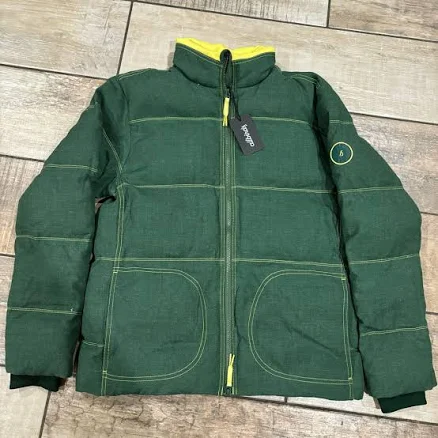
Allbirds
Jackets & Coats Allbirds Men's Trino Puffer Jacket Full Zip Wool Blend Forest Green Coat Size Sm
- wool blend (natural fiber dominant)
- We found no PFAS statement from the brand
- water-repellent coating (water-repellent coating) treatment - undisclosed chemistry
2 hazards checked on this product, all on its full breakdown.
Find an alternative on Amazon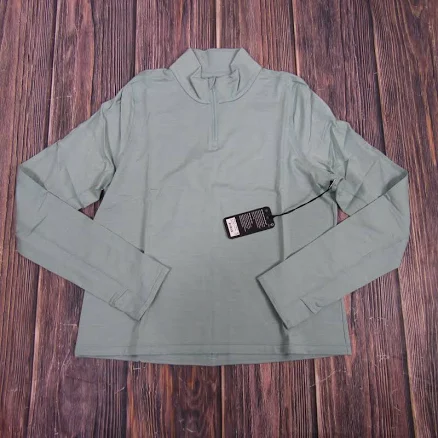
- Merino wool blend (natural fiber)
- We found no PFAS statement from the brand
- Azo dyes and synthetic dye residue
3 hazards checked on this product, all on its full breakdown.
Find an alternative on AmazonMore ski & snowboard jackets grades
How we score, every product runs through the same public 0-100 rubric based on materials, coatings, brand disclosure, lab findings, and recalls. See the full methodology → Spotted a mistake? Report an error.