Cara Cara Orange Woven Dental Floss
Lower concern product, but brand silent on PFAS composition.
Cocofloss dental floss is a woven cosmetic product with no known PFAS-applied coatings or treatments typical of the category. Brand makes no PFAS claims and provides no third-party verification.
We flunk more products than we pass. This one earned its grade. How we grade
Material
Woven plant fiber or nylon core
Brand disclosure
Brand is silent on PFAS
Lab data
No public lab test
You may also be interested in
Top-graded picks in the categories readers replace first, every one scored on the same rubric.

- polypropylene filter housing, carbon/sediment cartridge
- We found no PFAS statement from the brand
- Bacterial growth in spent cartridges
3 hazards checked on this product, all on its full breakdown.

Aquasure
Premier Series 75 GPD Under Sink Reverse Osmosis Water Filtration System
- RO membrane, carbon filters, stainless steel housing
- We found no PFAS statement from the brand
- Bacterial and microbial growth in housing and filters
4 hazards checked on this product, all on its full breakdown.

Avocado
Vegan Mattress
- organic cotton, natural latex, coconut coir, recycled steel coils
- The brand calls it PFAS-free, which we have not verified
- Heavy metals
2 hazards checked on this product, all on its full breakdown.
What Cara Cara Orange Woven Dental Floss is made of, ingredients and materials
Cara Cara Orange Woven Dental Floss uses a plant fiber or nylon core material designed to be mechanically effective for interdental cleaning. Plant fiber flosses typically shed less microplastic than synthetic alternatives and do not require coating with microplastic-shedding wax; nylon versions are standard dental-grade polymer with no known chemical leaching risk in the brief oral-contact context of flossing. The woven structure itself poses no chemical concern, though any dye applied to achieve the orange color is the primary material exposure pathway.
What’s concerning
Category baseline
The starting point for this type of product, before anything specific to this product is counted.
No PFAS disclosure
No public statement from the brand about PFAS in this product.
Microplastic shedding from synthetic core
If the core is nylon (not plant fiber), flossing may shed microscopic plastic fragments; ingestion is incidental and exposure is negligible compared to other sources. Woven plant-fiber versions sidestep this concern entirely.
What’s reassuring
Base material not linked to PFAS
The main material recorded for this product is not one associated with PFAS.
Azo dyes in orange coloring
The orange hue requires a dye; azo dyes can release aromatic amines under certain conditions. No recalls or test data implicate Cocofloss products in azo-dye toxicity, and oral-contact duration is minimal.
Dye or finish leaching into saliva
No documented cases of color transfer, staining, or chemical leaching from Cocofloss floss into the oral cavity. Oral pH and saliva composition do not typically mobilize standard textile dyes during brief contact.
Formaldehyde / VOCs
Dental floss is not subject to formaldehyde-resin finishes common in apparel or home textiles. No formaldehyde-related hazards are documented for this product category.
Source, ATSDR ↗Bacterial colonization or biofilm growth
Standard dental floss does not require maintenance or sanitization between uses. The product itself does not harbor or promote oral pathogens if stored dry and replaced regularly.
How is this PFAS grade calculated?
The brand's record and disclosure
Cocofloss has marketed its products on sustainability and plant-based positioning but maintains silence on detailed PFAS or chemical composition disclosures; no major recalls or safety controversies are on record for this product line. The brand does not publish third-party certifications (e.g., NSF, FDA clearance letters) or ingredient transparency reports for floss products. Absence of disclosure does not indicate a hazard, but reflects a common industry practice of minimal chemical transparency for oral-care adjuncts.
How it compares in its category
Dental floss is a low-chemical-exposure category; most harm comes from failure to floss rather than material toxicity. Woven plant-fiber flosses typically shed less microplastic debris than synthetic or waxed varieties, making them marginally lower concern than mass-market nylon flosses coated with microplastic wax. The orange dye is a minor chemical exposure; no azo-dye or heavy-metal concerns are reported for Cocofloss products, and the oral-contact duration (seconds to minutes per day) limits systemic absorption.
If you buy it
Use as directed for daily interdental cleaning; no special storage, heat, or maintenance required. Dispose of used floss in household waste (it is not recyclable). Replace the spool if the fibers begin to fray or separate, indicating wear. No heating, chemical, or moisture-induced degradation has been reported for this product class, and it poses no risk to water systems if disposed of.
What is not known about PFAS in this product?
- Basis
- Model estimate, 72% confidence, not a lab result
- Lab test
- None on record for this exact product
- Brand statement
- Cocofloss has made none
Formulations change between production runs, so check the current label. How we grade.
What are the PFAS-free alternatives to Cara Cara Orange Woven Dental Floss?
- Plant-based waxed fiber floss
- A third party reports verifying it as PFAS-free
- Fragrance allergens and sensitizers
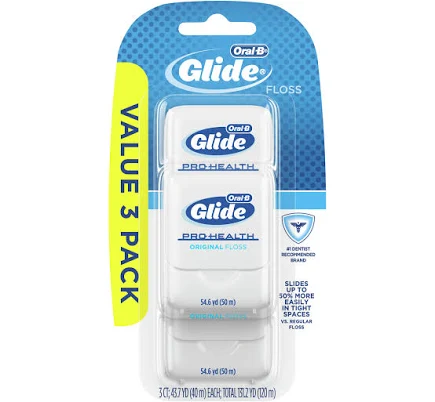
- nylon monofilament
- The brand calls it PFAS-free, which we have not verified
- Microplastics
2 hazards checked on this product, all on its full breakdown.
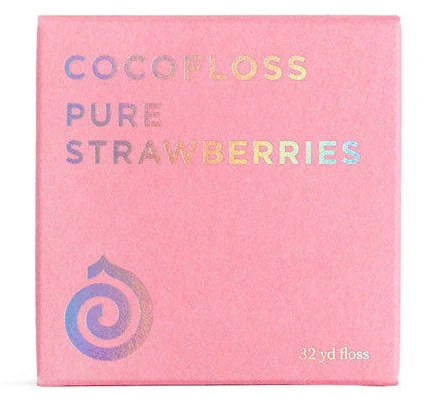
- Coconut fiber-based floss
- The brand calls it PFAS-free, which we have not verified
- Microbial growth in natural fiber storage
More dental floss grades
How we score, every product runs through the same public 0-100 rubric based on materials, coatings, brand disclosure, lab findings, and recalls. See the full methodology → Spotted a mistake? Report an error.