Young Coconut Woven Dental Floss
Lower concern. Coconut fiber is not associated with PFAS with no known coatings.
Cocofloss uses woven coconut fiber, a plant-based material with no known PFAS risk. Brand does not disclose details, but the material itself has low PFAS concern.
We flunk more products than we pass. This one earned its grade. How we grade
Material
Woven coconut fiber core
Brand disclosure
Brand is silent on PFAS
Lab data
No public lab test
You may also be interested in
Top-graded picks in the categories readers replace first, every one scored on the same rubric.

- polypropylene filter housing, carbon/sediment cartridge
- We found no PFAS statement from the brand
- Bacterial growth in spent cartridges
3 hazards checked on this product, all on its full breakdown.

Aquasure
Premier Series 75 GPD Under Sink Reverse Osmosis Water Filtration System
- RO membrane, carbon filters, stainless steel housing
- We found no PFAS statement from the brand
- Bacterial and microbial growth in housing and filters
4 hazards checked on this product, all on its full breakdown.

Avocado
Vegan Mattress
- organic cotton, natural latex, coconut coir, recycled steel coils
- The brand calls it PFAS-free, which we have not verified
- Heavy metals
2 hazards checked on this product, all on its full breakdown.
What Young Coconut Woven Dental Floss is made of, ingredients and materials
Cocofloss is woven from coconut fiber, a cellulose-based natural material with no synthetic polymer backbone. Coconut fiber does not require chemical treatments to achieve its flossing function, reducing the likelihood of residual solvents, plasticizers, or synthetic coatings that are common in nylon or polyester floss. No bleaching, dye, or coating is documented as part of this product's manufacturing process in public records. This material class avoids the chemical additives and microplastic shedding risk associated with conventional dental floss.
What’s concerning
Category baseline
The starting point for this type of product, before anything specific to this product is counted.
No PFAS disclosure
No public statement from the brand about PFAS in this product.
Microplastic shedding
While coconut fiber itself is not plastic, poor weave quality or excessive mechanical stress during use could cause the fiber to fragment into small particles. Risk is lower than synthetic floss but not eliminated by material type alone.
Microbial growth if stored improperly
Cellulose-based materials are susceptible to mold and bacterial colonization in damp environments. Proper dry storage is required to prevent contamination, as with any natural fiber product.
What’s reassuring
Base material not linked to PFAS
The main material recorded for this product is not one associated with PFAS.
Formaldehyde / VOCs
Coconut fiber does not require formaldehyde-based resins or adhesives for its structure. No evidence of formaldehyde treatment in this product class.
Source, ATSDR ↗Heavy metals
Cocofloss is not documented as dyed or pigmented. The cream or light tan color is the natural hue of coconut fiber, requiring no colorant.
Source, FDA ↗Fragrance allergens
This product is unscented and contains no added fragrance compounds, eliminating fragrance-derived contact allergen risk.
How is this PFAS grade calculated?
The brand's record and disclosure
Cocofloss does not publish detailed ingredient disclosures, safety certifications, or manufacturing standards on its website or packaging materials available to consumers. The brand has not sought third-party certifications such as NSF, FDA clearance labeling, or organic/natural product seals that would verify material purity or processing safety. No recalls, complaints, or established safety controversies are on record for this product. The lack of transparency is typical for small natural-product brands but means independent verification of claims is limited.
How it compares in its category
Most commercial dental floss is nylon or polyester, both of which may shed microplastics and are often coated with waxes, silicones, or synthetic lubricants that carry unknown long-term ingestion risks. Coconut fiber floss eliminates these synthetic components entirely. Other natural floss alternatives (silk, bamboo viscose) exist but carry their own sourcing and processing trade-offs; coconut fiber is compostable and requires no animal farming. Cocofloss occupies a lower-concern position in the category due to material simplicity, not because of brand assurance.
If you buy it
Coconut fiber floss is as durable as synthetic alternatives during normal use; store in a dry place to prevent mold growth, which can occur with any cellulose product in high humidity. Discontinue use if the fiber shreds excessively or frays during flossing, as this may indicate product degradation or variation in weave quality. Since coconut fiber has no synthetic coating, it will not slip as easily as waxed nylon; use gentle, controlled motions to avoid gum trauma. Replace the container when floss becomes brittle or discolored, typically every 3-6 months depending on storage and frequency of use.
What is not known about PFAS in this product?
- Basis
- Model estimate, 72% confidence, not a lab result
- Lab test
- None on record for this exact product
- Brand statement
- Cocofloss has made none
Formulations change between production runs, so check the current label. How we grade.
What are the PFAS-free alternatives to Young Coconut Woven Dental Floss?
- Plant-based waxed fiber floss
- A third party reports verifying it as PFAS-free
- Fragrance allergens and sensitizers
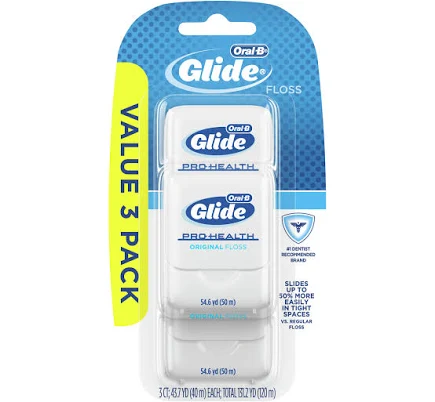
- nylon monofilament
- The brand calls it PFAS-free, which we have not verified
- Microplastics
2 hazards checked on this product, all on its full breakdown.
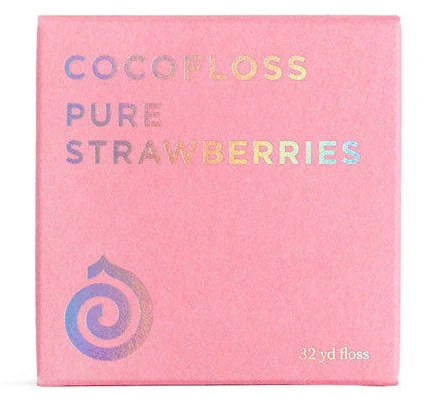
- Coconut fiber-based floss
- The brand calls it PFAS-free, which we have not verified
- Microbial growth in natural fiber storage
More dental floss grades
How we score, every product runs through the same public 0-100 rubric based on materials, coatings, brand disclosure, lab findings, and recalls. See the full methodology → Spotted a mistake? Report an error.