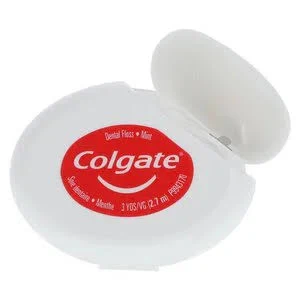
Colgate Dental Floss 3 yd
Lower concern, but Colgate doesn't publicly disclose floss materials.
Nylon or polyester monofilament carries no known PFAS risk. No public evidence of PFAS use exists, though the brand hasn't detailed composition.
We flunk more products than we pass. This one earned its grade. How we grade
Material
nylon or polyester monofilament
Lab data
No public lab test
You may also be interested in
Top-graded picks in the categories readers replace first, every one scored on the same rubric.

- polypropylene filter housing, carbon/sediment cartridge
- We found no PFAS statement from the brand
- Bacterial growth in spent cartridges
3 hazards checked on this product, all on its full breakdown.

Aquasure
Premier Series 75 GPD Under Sink Reverse Osmosis Water Filtration System
- RO membrane, carbon filters, stainless steel housing
- We found no PFAS statement from the brand
- Bacterial and microbial growth in housing and filters
4 hazards checked on this product, all on its full breakdown.

Avocado
Vegan Mattress
- organic cotton, natural latex, coconut coir, recycled steel coils
- The brand calls it PFAS-free, which we have not verified
- Heavy metals
2 hazards checked on this product, all on its full breakdown.
What Colgate Dental Floss 3 yd is made of, ingredients and materials
Colgate Dental Floss is a monofilament strand made from either nylon or polyester, materials chosen for strength, flexibility, and resistance to shredding during use between teeth. Unlike waxed floss that includes additional wax coatings (often paraffin or microcrystalline wax), monofilament floss does not require concern about wax ingestion or degradation, as oral floss is not swallowed in meaningful quantities. The material itself is chemically inert in the mouth at normal body temperature and pH, with no known leaching of monomers or plasticizers during brief daily contact.
What’s concerning
Category baseline
The starting point for this type of product, before anything specific to this product is counted.
No PFAS disclosure
No public statement from the brand about PFAS in this product.
Fragrance additives or flavoring agents
Colgate offers flavored floss variants (mint, bubblegum) that may include fragrance compounds or flavor oils; ingredients are not fully disclosed, but at the low concentration and brief contact duration, systemic exposure risk is minimal for most users.
Microplastic shedding or fiber fragmentation
Nylon monofilament can theoretically shed microscopic fibers during use, particularly if the floss shreds between teeth; however, ingestion is incidental and no studies have demonstrated harm from dental floss microplastics in oral health contexts.
What’s reassuring
Base material not linked to PFAS
The main material recorded for this product is not one associated with PFAS.
Dye or colorant allergens
Colgate dental floss typically comes in white or lightly colored varieties using minimal azo or synthetic dyes; no reported allergic reactions or contact dermatitis linked to this product are on record, and mouth contact is brief.
Phthalates
Modern nylon and polyester monofilament are not routinely plasticized with phthalates; no leaching has been documented in the low-moisture, room-temperature oral environment, and no recalls or warnings suggest this is a concern for Colgate floss.
Source, ATSDR ↗How is this PFAS grade calculated?
The brand's record and disclosure
Colgate-Palmolive is a major consumer health company with decades of oral care market presence and regulatory compliance in major jurisdictions. The company has not made public detailed chemical composition disclosures for this specific floss product, and no third-party testing or certifications (such as EWG Verified or similar standards) appear on record. No established recalls or safety warnings have been issued by the FDA or other agencies regarding Colgate dental floss formulations.
How it compares in its category
Dental floss has lower concern for certain consumer oral care products due to the contact surface area being small, duration of exposure being seconds per day, and ingestion being minimal and accidental only. Colgate floss is comparable to competitors like Oral-B and store brands in material composition and risk profile; all use similar nylon or polyester monofilament. Premium alternatives such as silk floss or specialty brands do not offer meaningful safety advantages over standard synthetic monofilament for most users, though they may appeal to those avoiding synthetics on environmental grounds.
If you buy it
Dental floss requires no special storage, heating, or maintenance beyond keeping the container dry and replacing the spool when depleted. Use gently to avoid cutting gums; if floss shreds frequently, ensure you are not pulling laterally or forcing it between teeth. There is no risk of wear-out or coating degradation since floss is a consumable single-use product per strand. If you have sensitive gums or suspect an allergy to ingredients, consider patch testing on a small area or consulting a dentist, though allergic reactions to nylon or polyester floss are uncommon.
What is not known about PFAS in this product?
- Basis
- Model estimate, 72% confidence, not a lab result
- Lab test
- None on record for this exact product
- Brand statement
- Colgate has made a specific claim
Formulations change between production runs, so check the current label. How we grade.
What are the PFAS-free alternatives to Colgate Dental Floss 3 yd?
- Plant-based waxed fiber floss
- A third party reports verifying it as PFAS-free
- Fragrance allergens and sensitizers
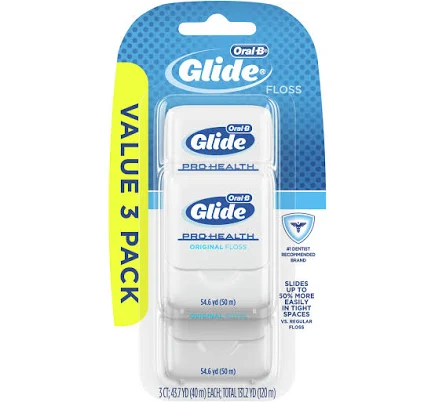
- nylon monofilament
- The brand calls it PFAS-free, which we have not verified
- Microplastics
2 hazards checked on this product, all on its full breakdown.
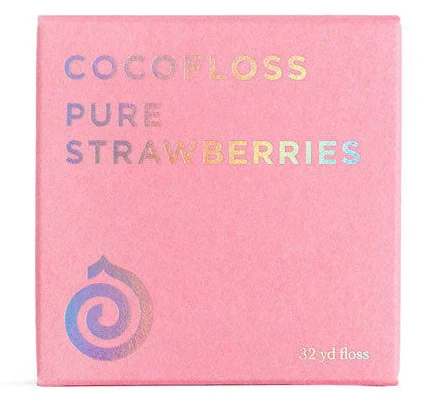
- Coconut fiber-based floss
- The brand calls it PFAS-free, which we have not verified
- Microbial growth in natural fiber storage
More dental floss grades
How we score, every product runs through the same public 0-100 rubric based on materials, coatings, brand disclosure, lab findings, and recalls. See the full methodology → Spotted a mistake? Report an error.