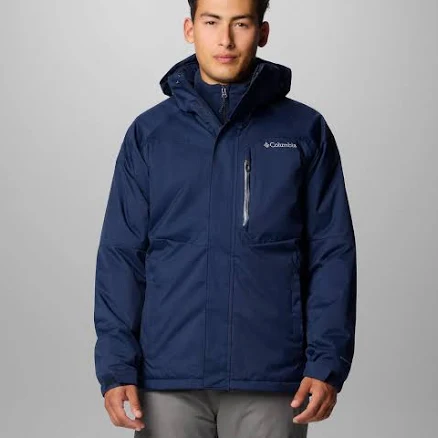
Columbia · Ski & Snowboard Jackets
Columbia Men's Alpine Action II Jacket
Synthetic jacket with water-repellent coating, PFAS risk unclear, no disclosure available
Columbia's Alpine Action II uses standard synthetic fabrics with water-repellent treatment typical of outdoor jackets. The brand does not publicly disclose PFAS content in treatments, creating moderate uncertainty.
Still want this one anyway? Check the price on Amazon. We’d swap it.
Material
nylon/polyester with water-repellent coating (water-repellent coating) finish
Lab data
No public lab test
You may also be interested in
Top-graded picks in the categories readers replace first, every one scored on the same rubric.

- polypropylene filter housing, carbon/sediment cartridge
- We found no PFAS statement from the brand
- Bacterial growth in spent cartridges
3 hazards checked on this product, all on its full breakdown.

Aquasure
Premier Series 75 GPD Under Sink Reverse Osmosis Water Filtration System
- RO membrane, carbon filters, stainless steel housing
- We found no PFAS statement from the brand
- Bacterial and microbial growth in housing and filters
4 hazards checked on this product, all on its full breakdown.

Avocado
Vegan Mattress
- organic cotton, natural latex, coconut coir, recycled steel coils
- The brand calls it PFAS-free, which we have not verified
- Heavy metals
2 hazards checked on this product, all on its full breakdown.
What Columbia Men's Alpine Action II Jacket is made of, ingredients and materials
The Alpine Action II combines nylon and polyester with a water-repellent coating (water-repellent coating) finish applied to the outer shell. water-repellent coating coatings are designed to shed water without requiring heavy waterproofing membranes, but many commercial water-repellent coating treatments historically used legacy PFAS compounds (perfluorocarbons). Columbia has not publicly disclosed whether this jacket uses fluorinated or non-fluorinated water-repellent coating, making the specific chemical exposure unclear. The nylon and polyester themselves are stable synthetic fibers with low leaching risk under normal wear.
What’s concerning
Waterproof / stain-resistant treatment
Water-repellent coating treatments have historically used PFAS.
Category baseline
The starting point for this type of product, before anything specific to this product is counted.
No PFAS disclosure
No public statement from the brand about PFAS in this product.
Formaldehyde / VOCs
Water-repellent coating coatings and dye-setting processes in nylon/polyester can involve formaldehyde-based catalysts, though most modern finishes use non-formaldehyde curing. Columbia does not disclose formaldehyde content limits; presence is not confirmed but cannot be ruled out without third-party testing.
Source, ATSDR ↗Antimony in polyester
Polyester production can use antimony trioxide as a catalyst. While the Alpine Action II likely contains some polyester, antimony leaching into skin contact is minimal under normal wear and washing. Hazard is low unless the jacket degrades significantly or is heated to very high temperatures (e.g., ironing on high heat).
Microplastic shedding
Synthetic nylon and polyester jackets shed microfibers during washing; this is an established category issue, not unique to Columbia. Washing in cooler water and less frequently reduces shedding by 20-40% compared to hot water cycles.
water-repellent coating degradation and chemical leaching
As the water-repellent coating finish wears and breaks down (typically after 50-100 washes), chemical residues may leach slightly into sweat during wear or during washing. Without disclosure of the exact water-repellent coating chemistry, the toxicity of degradation products cannot be assessed; risk is low under normal conditions but rises if the jacket is worn intensively in high-sweat conditions.
What’s reassuring
Azo dyes
No documented use of restricted azo dyes in Columbia outerwear; nylon and polyester fabrics for technical jackets typically use acid and disperse dyes that do not fall under banned azo restrictions. No recall or testing alert on record for this product.
How is this PFAS grade calculated?
The brand's record and disclosure
Columbia Sportswear has not published transparent information about PFAS use in their water-repellent coating finishes or committed to phasing out fluorinated water repellents across their product line, unlike some competitors (e.g., Patagonia's public PFAS reduction roadmap). The brand holds no major certifications specific to chemical safety (e.g., Bluesign, GOTS) for outerwear. No product recalls or documented chemical safety incidents have been publicly associated with Columbia Alpine jackets.
How it compares in its category
Most synthetic insulated jackets in this price/performance tier use similar water-repellent coating-treated nylon or polyester shells; PFAS uncertainty is widespread across the category unless manufacturers explicitly certify non-fluorinated finishes. Columbia's lack of transparency puts it in the middle of the market, neither leading in disclosure nor outlying in chemical risk. Brands offering explicit non-fluorinated water-repellent coating or Bluesign certification (Patagonia, Arc'teryx, The North Face selective lines) provide more certainty, though at higher cost.
If you buy it
Wash in cool water with minimal detergent (avoid heavy surfactants) and air-dry to minimize microfiber shedding and any potential mobilization of surface coatings. Do not dry-clean or use fabric softeners, which can degrade the water-repellent coating finish and potentially mobilize chemicals. Expect the water-repellent coating to diminish over 2-3 years of regular use; reapplication products are available but carry their own chemical concerns. Store dry in a well-ventilated space to avoid mildew growth, which would prompt washing and repeat chemical exposure.
What is not known about PFAS in this product?
- Basis
- Model estimate, 45% confidence, not a lab result
- Lab test
- None on record for this exact product
- Brand statement
- Columbia has made a specific claim
Formulations change between production runs, so check the current label. How we grade.
What are the PFAS-free alternatives to Columbia Men's Alpine Action II Jacket?
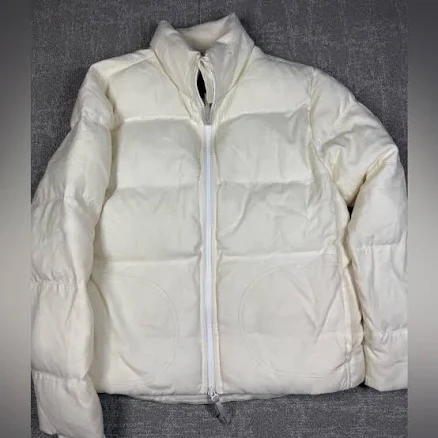
- Wool blend with synthetic fill (likely polyester)
- We found no PFAS statement from the brand
- water-repellent coating (water-repellent coating) coating composition
3 hazards checked on this product, all on its full breakdown.
Find an alternative on Amazon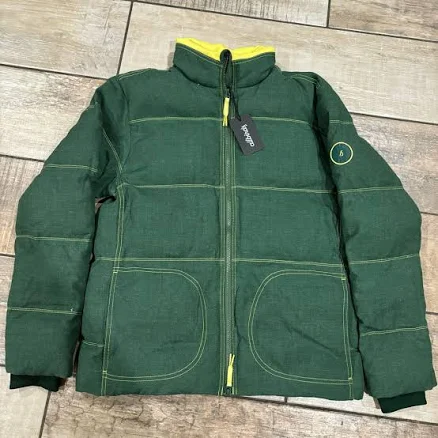
Allbirds
Jackets & Coats Allbirds Men's Trino Puffer Jacket Full Zip Wool Blend Forest Green Coat Size Sm
- wool blend (natural fiber dominant)
- We found no PFAS statement from the brand
- water-repellent coating (water-repellent coating) treatment - undisclosed chemistry
2 hazards checked on this product, all on its full breakdown.
Find an alternative on Amazon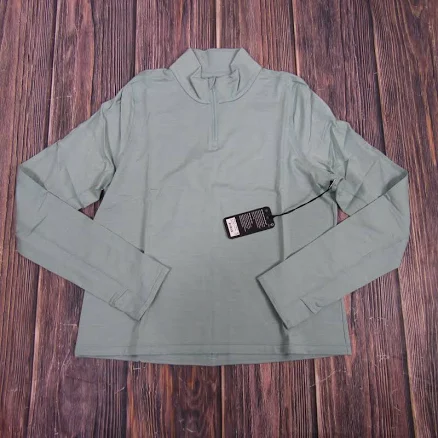
- Merino wool blend (natural fiber)
- We found no PFAS statement from the brand
- Azo dyes and synthetic dye residue
3 hazards checked on this product, all on its full breakdown.
Find an alternative on AmazonMore ski & snowboard jackets grades
How we score, every product runs through the same public 0-100 rubric based on materials, coatings, brand disclosure, lab findings, and recalls. See the full methodology → Spotted a mistake? Report an error.