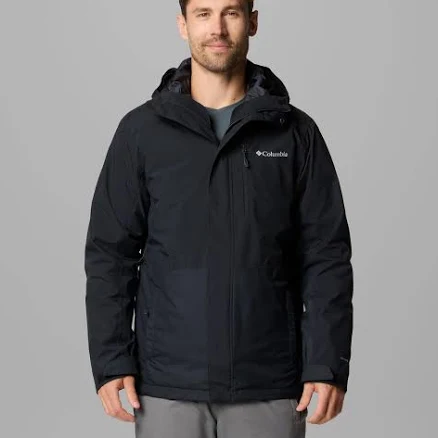
Columbia · Ski & Snowboard Jackets
Columbia Men's Snow Glide II Interchange Jacket
Typical water-repellent coating jacket. Columbia silent on PFAS. Skip if concerned.
Columbia does not disclose PFAS content or water-repellent coating chemistry for this jacket. Standard water-repellent apparel typically uses fluorinated treatments, but confirmation unavailable.
Still want this one anyway? Check the price on Amazon. We’d swap it.
Material
polyester with water-repellent coating water-resistant finish
Lab data
No public lab test
You may also be interested in
Top-graded picks in the categories readers replace first, every one scored on the same rubric.

- polypropylene filter housing, carbon/sediment cartridge
- We found no PFAS statement from the brand
- Bacterial growth in spent cartridges
3 hazards checked on this product, all on its full breakdown.

Aquasure
Premier Series 75 GPD Under Sink Reverse Osmosis Water Filtration System
- RO membrane, carbon filters, stainless steel housing
- We found no PFAS statement from the brand
- Bacterial and microbial growth in housing and filters
4 hazards checked on this product, all on its full breakdown.

Avocado
Vegan Mattress
- organic cotton, natural latex, coconut coir, recycled steel coils
- The brand calls it PFAS-free, which we have not verified
- Heavy metals
2 hazards checked on this product, all on its full breakdown.
What Columbia Men's Snow Glide II Jacket is made of, ingredients and materials
The Snow Glide II is polyester with a water-repellent coating (water-repellent coating) finish, a standard construction for insulated jackets. water-repellent coating coatings traditionally use fluorinated compounds (PFAS) to achieve water resistance without bulk; polyester itself is stable under normal wear. The interchange system (removable fleece liner) means the outer shell fabric quality is critical since it handles repeated washing and mechanical stress. Polyester fibers do not leach chemicals into skin under normal conditions, but the water-repellent coating finish is where chemical exposure risk concentrates.
What’s concerning
Waterproof / stain-resistant treatment
Water-repellent coating treatments have historically used PFAS.
Category baseline
The starting point for this type of product, before anything specific to this product is counted.
No PFAS disclosure
No public statement from the brand about PFAS in this product.
PFAS
Standard fluorinated water-repellent coating typical of this product category; Columbia does not disclose chemistry or PFAS alternatives, making it reasonable to assume conventional PFAS-based water-repellent coating chemistry is present.
Source, ATSDR ↗water-repellent coating degradation and reapplication hazard
Over time, water-repellent coating finishes wear off and may require reapplication with commercial products that may also contain PFAS. Frequent reapplication increases cumulative PFAS exposure; choosing to repair or retire the jacket rather than retreating is a lower-risk path.
What’s reassuring
Formaldehyde / VOCs
No recalls or documented issues reported for Columbia outerwear. Polyester water-repellent coating jackets may use formaldehyde-based resins in finishing processes, but outerwear is not a high-risk category for formaldehyde off-gassing compared to treated cotton apparel.
Source, ATSDR ↗Azo dyes (colorfast chemicals)
No public recalls or warnings specific to Columbia Snow Glide II. Azo dyes in polyester apparel are regulated under standard textile safety law, and no pattern of non-compliance has been documented for this brand.
Antimony in polyester
Antimony is a catalyst used in polyester production; leaching under normal wear conditions is not documented as a safety issue for outerwear or any apparel worn externally, and Columbia has no known history of antimony contamination in polyester products.
How is this PFAS grade calculated?
The brand's record and disclosure
Columbia has not published a public commitment to PFAS-free water-repellent coating alternatives or a phase-out timeline, nor does the product label disclose the specific water-repellent coating chemistry used. The brand does not hold third-party certifications (Bluesign, OEKO-TEX) that would limit fluorochemical use, which is standard in the outerwear market but leaves buyers without verification. Columbia manufactures at scale globally and has faced no major documented chemical safety recalls for jackets in recent years, but lacks transparency on fluorochemical policy compared to competitors like Patagonia (which has published PFAS reduction goals).
How it compares in its category
This jacket uses conventional fluorinated water-repellent coating, matching most mass-market insulated winter jackets in the $150-300 range. Competitors like The North Face, Salomon, and Arc'teryx similarly use fluorochemical finishes without public disclosure; only premium brands (Patagonia, some Rab models) market PFAS-free or low-PFAS water-repellent coating options, typically at higher cost. The interchange design is practical for value, but does not confer any chemical safety advantage. For context, jackets with water-repellent coating finishes not known to contain PFAS remain uncommon in mainstream retail.
If you buy it
Wash infrequently in cool water (hot water can stress water-repellent coating and increase any off-gassing risk) and air-dry; avoid prolonged heat exposure and machine drying. Do not dry-clean, as solvents can degrade the coating unpredictably. Replace or re-treat the water-repellent coating finish if water no longer beads on the fabric surface, typically after 50-100 wash cycles. Store in a breathable bag (not plastic) to minimize vapor buildup. If PFAS exposure is a primary concern, prioritize brands that disclose water-repellent coating chemistry or seek certified PFAS-free alternatives.
What is not known about PFAS in this product?
- Basis
- Model estimate, 45% confidence, not a lab result
- Lab test
- None on record for this exact product
- Brand statement
- Columbia has made a specific claim
Formulations change between production runs, so check the current label. How we grade.
What are the PFAS-free alternatives to Columbia Men's Snow Glide II Interchange Jacket?
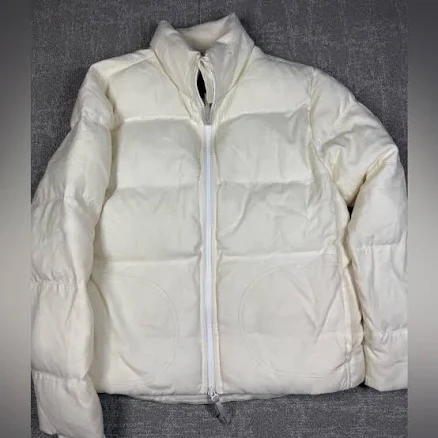
- Wool blend with synthetic fill (likely polyester)
- We found no PFAS statement from the brand
- water-repellent coating (water-repellent coating) coating composition
3 hazards checked on this product, all on its full breakdown.
Find an alternative on Amazon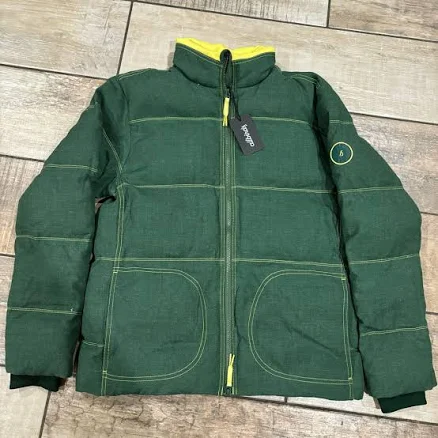
Allbirds
Jackets & Coats Allbirds Men's Trino Puffer Jacket Full Zip Wool Blend Forest Green Coat Size Sm
- wool blend (natural fiber dominant)
- We found no PFAS statement from the brand
- water-repellent coating (water-repellent coating) treatment - undisclosed chemistry
2 hazards checked on this product, all on its full breakdown.
Find an alternative on Amazon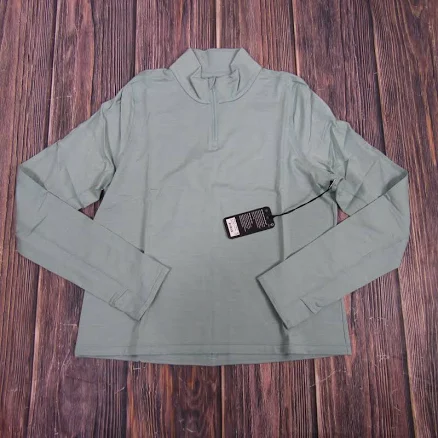
- Merino wool blend (natural fiber)
- We found no PFAS statement from the brand
- Azo dyes and synthetic dye residue
3 hazards checked on this product, all on its full breakdown.
Find an alternative on AmazonMore ski & snowboard jackets grades
How we score, every product runs through the same public 0-100 rubric based on materials, coatings, brand disclosure, lab findings, and recalls. See the full methodology → Spotted a mistake? Report an error.