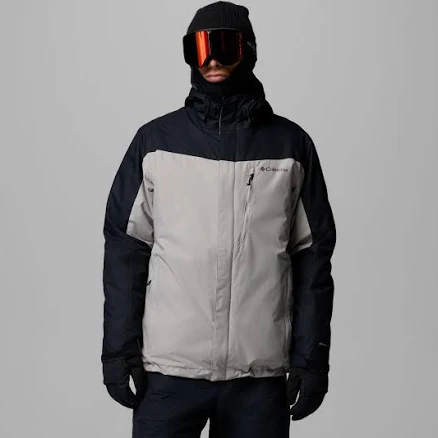
Columbia · Ski & Snowboard Jackets
Columbia Men's Whirlibird V Interchange Jacket
Typical interchange jacket; water-repellent coating likely contains PFAS. Brand silent on chemistry.
Columbia does not disclose PFAS use or absence in this jacket. The water-repellent coating water-repellent treatment is standard industry practice, historically PFAS-based, though some brands now use alternatives. No lab testing or third-party verification available.
Still want this one anyway? Check the price on Amazon. We’d swap it.
Material
polyester/nylon with water-repellent coating (water-repellent coating) finish
Lab data
No public lab test
You may also be interested in
Top-graded picks in the categories readers replace first, every one scored on the same rubric.

- polypropylene filter housing, carbon/sediment cartridge
- We found no PFAS statement from the brand
- Bacterial growth in spent cartridges
3 hazards checked on this product, all on its full breakdown.

Aquasure
Premier Series 75 GPD Under Sink Reverse Osmosis Water Filtration System
- RO membrane, carbon filters, stainless steel housing
- We found no PFAS statement from the brand
- Bacterial and microbial growth in housing and filters
4 hazards checked on this product, all on its full breakdown.

Avocado
Vegan Mattress
- organic cotton, natural latex, coconut coir, recycled steel coils
- The brand calls it PFAS-free, which we have not verified
- Heavy metals
2 hazards checked on this product, all on its full breakdown.
What Columbia Men's Whirlibird V Jacket is made of, ingredients and materials
The Whirlibird V uses polyester and nylon outer shells with a water-repellent coating (water-repellent coating) finish. That water-repellent coating is almost certainly PFAS-based, given Columbia's silent stance and the industry norm for mid-range interchange jackets. The polyester and nylon themselves are stable polymers with low leaching risk at normal wear temperatures, but the water-repellent coating finish is where chemical exposure occurs, particularly if you wash the jacket repeatedly or expose it to heat.
What’s concerning
Waterproof / stain-resistant treatment
Water-repellent coating treatments have historically used PFAS.
Category baseline
The starting point for this type of product, before anything specific to this product is counted.
No PFAS disclosure
No public statement from the brand about PFAS in this product.
PFAS
PFAS content is the primary hazard; no PFAS grade available from Columbia. Washing, wear, and degradation can mobilize these compounds. See separate PFAS assessment (20/100).
Source, ATSDR ↗Azo dyes in polyester/nylon coloring
Polyester garments may use azo dyes, some of which are restricted in EU but permitted in North America. No specific data for this product; risk is typical for mainstream dyed synthetics at this price tier.
Antimony in polyester fiber
Antimony is used as a catalyst in polyester production and can remain as residue. Skin contact risk is low; risk increases if fibers degrade or are ingested. No specific testing disclosed by Columbia.
Formaldehyde / VOCs
Polyester/nylon blends may use formaldehyde-based finishing for wrinkle resistance or color fastness. Outgassing is typically minimal after initial production curing, but cannot be ruled out without access to finishing specifications.
Source, ATSDR ↗Microplastic shedding from synthetic fiber
Washing any polyester/nylon garment releases microplastics into wastewater. The water-repellent coating may increase shedding if it degrades; cold washing and air drying reduce this somewhat.
How is this PFAS grade calculated?
The brand's record and disclosure
Columbia has not publicly committed to PFAS-free water-repellent coating or disclosed the specific chemistry of its water-repellent coatings. The brand has no published certifications (Bluesign, OEKO-TEX, GOTS) for this product line that would signal lower concern chemical practices. Columbia's silence on water-repellent coating ingredients is typical for mainstream outdoor brands but contrasts with competitors like Patagonia, which has phased toward fluorine-free water repellents on many garments.
How it compares in its category
Interchange jackets at this price point almost universally use PFAS-based water-repellent coating; the Whirlibird V is not an outlier. Premium brands (Arc'teryx, Patagonia higher-end lines) increasingly offer fluorine-free alternatives, but they cost significantly more. If PFAS-free water-repellent coating is a priority, you would need to seek out specific product lines certified fluorine-free or choose untreated synthetics, accepting reduced water repellency.
If you buy it
Wash infrequently and use cold water with mild detergent to minimize water-repellent coating reactivation treatments and leaching. Avoid heat drying; air dry completely. Do not dry clean. Replace the jacket if the outer coating shows visible degradation (cracking, peeling, loss of beading), as this increases microparticle and PFAS release. Store in a dry place to reduce washing frequency. Be aware that rewaterproofing sprays reintroduce PFAS; hand-wash only if needed.
What is not known about PFAS in this product?
- Basis
- Model estimate, 35% confidence, not a lab result
- Lab test
- None on record for this exact product
- Brand statement
- Columbia has made a specific claim
Formulations change between production runs, so check the current label. How we grade.
What are the PFAS-free alternatives to Columbia Men's Whirlibird V Interchange Jacket?
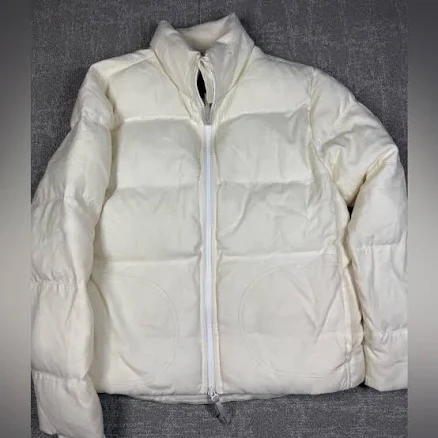
- Wool blend with synthetic fill (likely polyester)
- We found no PFAS statement from the brand
- water-repellent coating (water-repellent coating) coating composition
3 hazards checked on this product, all on its full breakdown.
Find an alternative on Amazon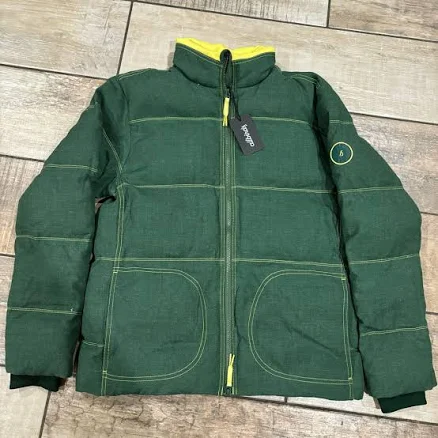
Allbirds
Jackets & Coats Allbirds Men's Trino Puffer Jacket Full Zip Wool Blend Forest Green Coat Size Sm
- wool blend (natural fiber dominant)
- We found no PFAS statement from the brand
- water-repellent coating (water-repellent coating) treatment - undisclosed chemistry
2 hazards checked on this product, all on its full breakdown.
Find an alternative on Amazon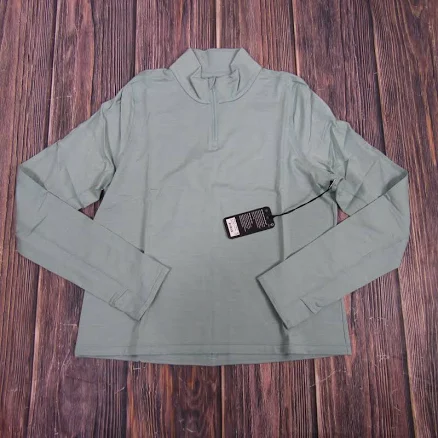
- Merino wool blend (natural fiber)
- We found no PFAS statement from the brand
- Azo dyes and synthetic dye residue
3 hazards checked on this product, all on its full breakdown.
Find an alternative on AmazonMore ski & snowboard jackets grades
How we score, every product runs through the same public 0-100 rubric based on materials, coatings, brand disclosure, lab findings, and recalls. See the full methodology → Spotted a mistake? Report an error.