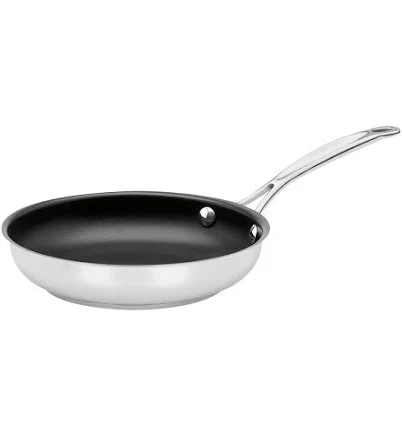
Cuisinart Chef's Classic 8 in. Stainless Steel Nonstick Skillet, Is It Non-Toxic?
Avoid until Cuisinart clarifies nonstick coating identity and Teflon-type coating status.
Cuisinart's Chef's Classic skillet pairs stainless steel with an undisclosed nonstick coating whose Teflon-family coating status remains unknown. No testing or certification is available to confirm PFAS absence.
The better-graded swap
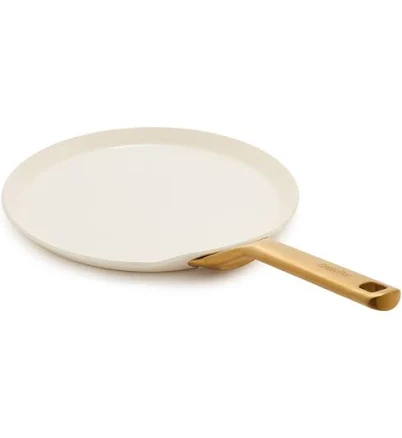
GreenPan
GreenPan Reserve Pro Crepe Frypan
70/100 safety
Same rubric that flunked this product. The swap earned Good.
Still want this one anyway? Check the price on Amazon. We’d swap it.
Material
stainless steel with unspecified nonstick coating
Lab data
No public lab test
You may also be interested in
Top-graded picks in the categories readers replace first, every one scored on the same rubric.

- polypropylene filter housing, carbon/sediment cartridge
- We found no PFAS statement from the brand
- Bacterial growth in spent cartridges
3 hazards checked on this product, all on its full breakdown.

Aquasure
Premier Series 75 GPD Under Sink Reverse Osmosis Water Filtration System
- RO membrane, carbon filters, stainless steel housing
- We found no PFAS statement from the brand
- Bacterial and microbial growth in housing and filters
4 hazards checked on this product, all on its full breakdown.

Avocado
Vegan Mattress
- organic cotton, natural latex, coconut coir, recycled steel coils
- The brand calls it PFAS-free, which we have not verified
- Heavy metals
2 hazards checked on this product, all on its full breakdown.
Is Cuisinart Chef's Classic Nonstick Skillet non-toxic? What it is made of
This skillet combines a stainless steel body with an unspecified nonstick coating. Cuisinart does not publicly disclose whether the coating is Teflon-type coating-based (traditional Teflon), ceramic, or another formulation. The stainless steel substrate itself is chemically inert and food-safe under normal conditions. The nonstick layer is the critical unknown, Teflon-type coating coatings can release fumes above 500°F if degraded, while ceramic or newer polymer coatings carry different risk profiles.
What’s concerning
Category baseline
The starting point for this type of product, before anything specific to this product is counted.
No PFAS disclosure
No public statement from the brand about PFAS in this product.
Non-stick, chemistry undisclosed
Marketed as non-stick without stating the coating chemistry.
Teflon-type coating fume inhalation risk
If the unspecified nonstick coating contains Teflon-type coating, heating above 500°F or damage to the coating can release fumes. Cuisinart's silence on coating type prevents definitive assessment. Risk is lower for typical crepe cooking (medium heat) but present if pan overheats.
Coating degradation and flaking
What’s reassuring
Leaching from stainless steel
Stainless steel food-contact surfaces have no hazard of this kind on record under normal cooking conditions. No evidence of nickel or chromium leaching from Cuisinart stainless cookware is documented.
Lead
This product does not have ceramic glaze or enamel exterior; it is stainless steel with a nonstick top coat. No traditional glazing hazards apply.
Source, ATSDR ↗Aluminum leaching
The skillet is stainless steel, not aluminum or aluminum-cored. Aluminum leaching risk does not apply to this material.
How is this PFAS grade calculated?
The brand's record and disclosure
Cuisinart has not issued transparent public statements about PFAS content or nonstick coating chemistry in their cookware lines. The brand markets cookware as 'nonstick' without specifying the coating type, which is standard industry practice but leaves consumers without material facts. No major safety recalls or regulatory actions specific to Cuisinart nonstick skillet coatings are on record in public databases. This silence is typical of many mid-market cookware brands and reflects a broader industry reluctance to disclose coating details.
How it compares in its category
Crepe pans and thin skillets are often coated with nonstick layers because the wide, shallow design demands release properties for delicate foods. Cuisinart's offering sits in the mainstream price tier with similar disclosure gaps to competitors like Tefal and T-fal. Brands like GreenPan and Our Place have begun disclosing ceramic or Teflon-type coating-free coatings; Cuisinart has not followed suit. Uncoated stainless steel or cast iron alternatives offer full transparency but require more skill to use for crepes.
If you buy it
Keep temperatures below 400°F to minimize any Teflon-type coating fume risk if the coating is conventional Teflon. Hand wash and avoid abrasive scrubbers; inspect the nonstick surface regularly for peeling, discoloration, or wear. Replace the skillet if coating damage is visible, as flaked material in food is a concern. Store in a dry place and do not preheat the empty pan on high heat, a common source of nonstick degradation.
What is not known about PFAS in this product?
- Basis
- Model estimate, 35% confidence, not a lab result
- Lab test
- None on record for this exact product
- Brand statement
- Cuisinart has made a specific claim
Formulations change between production runs, so check the current label. How we grade.
What are the PFAS-free alternatives to Cuisinart Chef's Classic 8 in. Stainless Steel Nonstick Skillet?
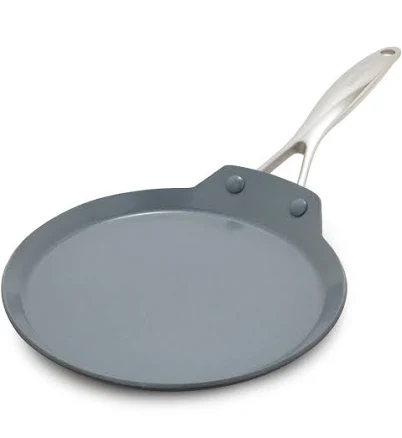
- Ceramic nonstick coating
- The brand calls it PFAS-free, which we have not verified
- Ceramic coating degradation over time
3 hazards checked on this product, all on its full breakdown.
- Thermolon™ ceramic nonstick coating (proprietary plant-derived composition)
- The brand calls it PFAS-free, which we have not verified
- Aluminum leaching
3 hazards checked on this product, all on its full breakdown.
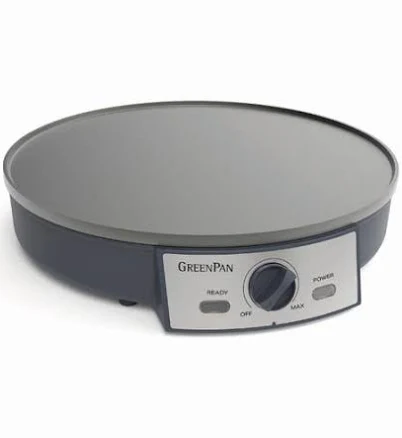
- Nonstick coating (unspecified type)
- The brand calls it PFAS-free, which we have not verified
- Teflon-type coating fume risk (if coating contains Teflon-type coating)
5 hazards checked on this product, all on its full breakdown.
Find an alternative on AmazonMore crepe pans grades
How we score, every product runs through the same public 0-100 rubric based on materials, coatings, brand disclosure, lab findings, and recalls. See the full methodology → Spotted a mistake? Report an error.