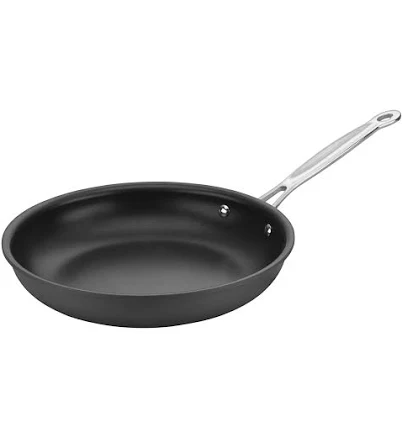
Cuisinart Chef's Classic Skillet, Is It Non-Toxic?
Avoid unless you call Cuisinart for coating details. Nonstick source is hidden.
Cuisinart's Chef's Classic Skillet combines hard anodized aluminum with a proprietary nonstick coating that the brand does not disclose. No lab data or public PFAS statement exists to guide your choice.
The better-graded swap
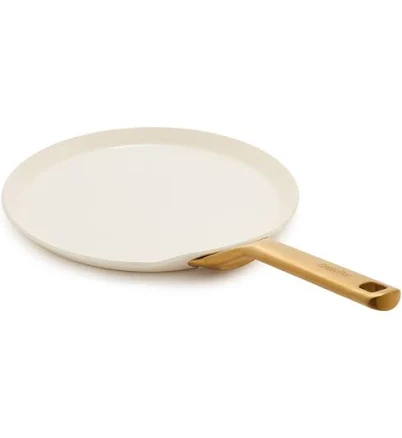
GreenPan
GreenPan Reserve Pro Crepe Frypan
70/100 safety
Same rubric that flunked this product. The swap earned Good.
Still want this one anyway? Check the price on Amazon. We’d swap it.
Material
Hard-anodized aluminum with proprietary nonstick coating (composition unspecified)
Lab data
No public lab test
You may also be interested in
Top-graded picks in the categories readers replace first, every one scored on the same rubric.

- polypropylene filter housing, carbon/sediment cartridge
- We found no PFAS statement from the brand
- Bacterial growth in spent cartridges
3 hazards checked on this product, all on its full breakdown.

Aquasure
Premier Series 75 GPD Under Sink Reverse Osmosis Water Filtration System
- RO membrane, carbon filters, stainless steel housing
- We found no PFAS statement from the brand
- Bacterial and microbial growth in housing and filters
4 hazards checked on this product, all on its full breakdown.

Avocado
Vegan Mattress
- organic cotton, natural latex, coconut coir, recycled steel coils
- The brand calls it PFAS-free, which we have not verified
- Heavy metals
2 hazards checked on this product, all on its full breakdown.
Is Cuisinart Chef's Classic Skillet non-toxic? What it is made of
Cuisinart Chef's Classic skillets use hard-anodized aluminum as the base material, which is electrochemically treated aluminum that creates a dense oxide layer. This layer is harder than stainless steel and resists corrosion and scratching better than standard aluminum. The critical unknown is the nonstick coating formulation, Cuisinart has not publicly disclosed whether it contains Teflon-type coating (Teflon), PFA, or alternative polymer chemistry, which directly determines fluorochemical exposure risk. Hard-anodized aluminum itself does not leach problematically under normal cooking conditions, but coating degradation over time could expose the base metal.
What’s concerning
Category baseline
The starting point for this type of product, before anything specific to this product is counted.
No PFAS disclosure
No public statement from the brand about PFAS in this product.
Non-stick, chemistry undisclosed
Marketed as non-stick without stating the coating chemistry.
Nonstick coating composition (undisclosed)
The proprietary nonstick formulation is not publicly identified. If Teflon-type coating-based, overheating above 500°F risks polymer fume inhalation (Teflon-type coating fume fever); if PFA or other fluorochemicals, similar concerns apply. Cuisinart's silence makes risk assessment impossible without direct inquiry.
Coating degradation and base aluminum exposure
Hard-anodized aluminum is stable under normal use, but nonstick coating flaking or peeling can expose the underlying anodized layer. While anodized aluminum does not leach significantly in brief food contact, prolonged exposure of acidic or salty foods to abraded surfaces increases minor aluminum migration risk.
Thermal stability of coating at high heat
Crepe pans are often used at medium-to-high heat for browning. If the coating is Teflon-type coating-based, sustained heat above manufacturer guidelines (typically 400-500°F) can degrade the polymer and release fumes. No specific thermal limit documentation from Cuisinart is widely available.
Microplastic or coating particle release into food
Mechanical wear from repeated spatula use or dishwasher abrasion can generate microscopic coating flakes. Because coating composition is unspecified, it is unknown whether these particles are inert polymer or contain bioavailable compounds.
What’s reassuring
Lead
No recalls or testing reports indicate heavy metal contamination in Cuisinart nonstick coatings. Modern nonstick formulations generally do not rely on lead or cadmium; however, undisclosed coating chemistry prevents full certainty.
Source, ATSDR ↗How is this PFAS grade calculated?
The brand's record and disclosure
Cuisinart has maintained relative silence on nonstick coating composition across its cookware line, neither voluntarily disclosing PFAS-free certification nor responding to widespread consumer inquiries about Teflon-type coating content. The brand holds no third-party certifications (e.g., GreenGuard, GOTS equivalents) that would independently verify coating safety. No major recalls linked to PFAS or coating hazards have been recorded for this product line, though absence of public incident reports does not confirm absence of exposure risk. Competitor transparency (e.g., Caraway, Our Place) has set a higher disclosure standard that Cuisinart has not matched.
How it compares in its category
Within crepe pans and nonstick skillets, the Cuisinart Chef's Classic sits in the mid-market segment with good durability reputation but below-average transparency. Ceramic-coated alternatives (e.g., GreenPan, Caraway) publicly disclose PFAS-free status, though some carry higher cost and lower nonstick performance longevity. Cast iron and seasoned carbon steel crepe pans avoid synthetic coatings entirely but require more maintenance. Stainless steel options eliminate nonstick concerns but sacrifice the easy release crepe cooks typically prefer. Cuisinart's refusal to clarify coating type places it at a competitive disadvantage against brands with open disclosure.
If you buy it
Contact Cuisinart customer service directly before purchase and request written confirmation of nonstick coating type and PFAS content. Keep heat below medium-high; overheating any nonstick surface accelerates coating breakdown and potential fume release, regardless of chemistry. Hand wash rather than dishwasher to extend coating life and avoid thermal stress. Replace the pan if the nonstick surface visibly flakes, peels, or discolors, as this signals barrier failure. Do not use metal utensils; stick to silicone, wood, or plastic spatulas.
What is not known about PFAS in this product?
- Basis
- Model estimate, 35% confidence, not a lab result
- Lab test
- None on record for this exact product
- Brand statement
- Cuisinart has made a specific claim
Formulations change between production runs, so check the current label. How we grade.
What are the PFAS-free alternatives to Cuisinart Chef's Classic Skillet?
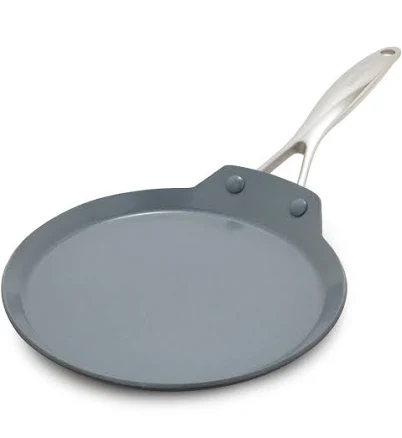
- Ceramic nonstick coating
- The brand calls it PFAS-free, which we have not verified
- Ceramic coating degradation over time
3 hazards checked on this product, all on its full breakdown.
- Thermolon™ ceramic nonstick coating (proprietary plant-derived composition)
- The brand calls it PFAS-free, which we have not verified
- Aluminum leaching
3 hazards checked on this product, all on its full breakdown.
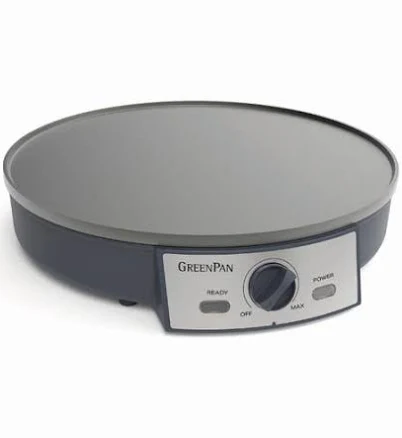
- Nonstick coating (unspecified type)
- The brand calls it PFAS-free, which we have not verified
- Teflon-type coating fume risk (if coating contains Teflon-type coating)
5 hazards checked on this product, all on its full breakdown.
Find an alternative on AmazonMore crepe pans grades
How we score, every product runs through the same public 0-100 rubric based on materials, coatings, brand disclosure, lab findings, and recalls. See the full methodology → Spotted a mistake? Report an error.