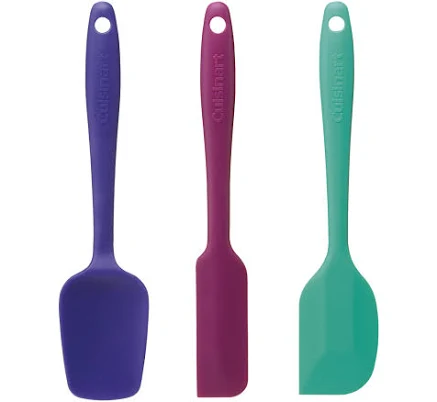
Cuisinart · Non-Stick Kitchen Gadgets
Cuisinart Mini Spatulas Set of 3, Is It Non-Toxic?
Silicone with no coating described, and no PFAS statement from the brand.
The product information we reviewed describes silicone or nylon spatula heads, with no applied coating named. Silicone releases food on its own, so a non-stick claim on a silicone product describes the material rather than a coating. The brand has published no PFAS statement for it.
The better-graded swap
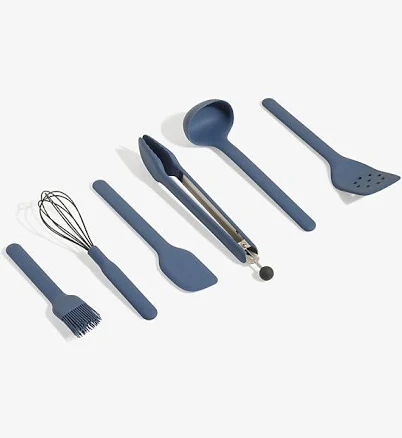
Our Place
Our Place Utensil Essentials 6-Piece Silicone Utensil Set
90/100 safety
Same rubric that flunked this product. The swap earned Excellent.
Still want this one anyway? Check the price on Amazon. We’d swap it.
Material
Silicone or nylon spatula heads
Lab data
No public lab test
You may also be interested in
Top-graded picks in the categories readers replace first, every one scored on the same rubric.

- polypropylene filter housing, carbon/sediment cartridge
- We found no PFAS statement from the brand
- Bacterial growth in spent cartridges
3 hazards checked on this product, all on its full breakdown.

Aquasure
Premier Series 75 GPD Under Sink Reverse Osmosis Water Filtration System
- RO membrane, carbon filters, stainless steel housing
- We found no PFAS statement from the brand
- Bacterial and microbial growth in housing and filters
4 hazards checked on this product, all on its full breakdown.

Avocado
Vegan Mattress
- organic cotton, natural latex, coconut coir, recycled steel coils
- The brand calls it PFAS-free, which we have not verified
- Heavy metals
2 hazards checked on this product, all on its full breakdown.
Is Cuisinart Mini Spatulas Set of 3 non-toxic? What it is made of
These spatula heads are silicone or nylon, with handles typically plastic or composite. Silicone is a synthetic rubber polymer that does not leach BPA or phthalates under normal kitchen use, and does not off-gas formaldehyde. Nylon is a polyamide that is generally stable at food-contact temperatures below 400°F (204°C), though repeated exposure to high heat can cause slow degradation. The key distinction, neither material is inherently toxic, but nylon spatulas can degrade faster under extreme heat than silicone.
What’s concerning
Category baseline
The starting point for this type of product, before anything specific to this product is counted.
No PFAS disclosure
No public statement from the brand about PFAS in this product.
Silicone degradation at high heat
Repeated or sustained use above 400°F (204°C) can cause silicone to lose elasticity or become tacky; commercial kitchens or prolonged stovetop contact may accelerate this. Risk is low in typical home cooking.
Nylon softening or brittleness
If spatula heads are nylon, prolonged heat exposure or contact with hot oil can cause gradual stiffening or brittleness over months to years. Not acutely toxic, but degrades faster than silicone.
Microparticle shedding from degraded heads
As silicone or nylon spatulas age, small particles may shed into food if the head becomes cracked or heavily worn. This is cosmetic and low-toxicity risk, but triggers replacement.
What’s reassuring
Base material not linked to PFAS
The main material recorded for this product is not one associated with PFAS.
Plastic handle leachables (not specified in product description)
If handles are polystyrene or unidentified plastic, potential for low-level BPA or BPS migration is not documented for Cuisinart spatulas. Material composition of handles is not detailed in available product information.
Colorant or pigment safety in silicone/nylon
Silicone and nylon for kitchen use have lower concern regarding colorants, but Cuisinart does not publicly disclose pigment specifications. No recalls or contamination reports exist for this product line.
How is this PFAS grade calculated?
The brand's record and disclosure
Cuisinart has no published PFAS statement for this product, and the brand does not voluntarily disclose PFAS testing results for kitchen gadgets. There are no widespread recalls of Cuisinart mini spatula sets for chemical leaching or contamination. The company is a mainstream cookware manufacturer with a moderate safety profile but limited transparency on non-stick surface treatments for small tools.
How it compares in its category
Silicone and nylon spatulas have lower concern than some coated metal spatulas for Teflon-type coating (Teflon) fumes, and have lower concern than older painted wooden handles for lead/cadmium. Compared to wooden or metal alternatives, these materials shed no splinters and do not degrade to produce microparticles. Price and durability place Cuisinart mini spatulas in the mid-range of quality for this category.
If you buy it
Hand-wash rather than dishwasher to extend silicone/nylon lifespan; both materials tolerate up to 400°F but sustained exposure above that temperature can cause nylon to harden or silicone to lose flexibility. Replace if the head becomes sticky, discolored, or develops cracks, as degraded material can shed particles. Store in a cool, dry location away from direct sunlight, which can degrade silicone over time.
What is not known about PFAS in this product?
- Basis
- Model estimate, 35% confidence, not a lab result
- Lab test
- None on record for this exact product
- Brand statement
- Cuisinart has made a specific claim
Formulations change between production runs, so check the current label. How we grade.
What are the PFAS-free alternatives to Cuisinart Mini Spatulas Set of 3?
- Silicone utensils, no coating
- The brand calls it PFAS-free, which we have not verified
- Microplastic generation
2 hazards checked on this product, all on its full breakdown.
- Stainless steel utensils
- The brand calls it PFAS-free, which we have not verified
- Nickel leaching from stainless steel
2 hazards checked on this product, all on its full breakdown.
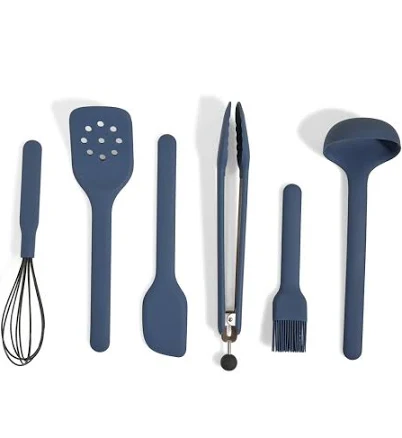
- Stainless steel utensils, material unclear
- The brand calls it PFAS-free, which we have not verified
- Handle material degradation (if present)
2 hazards checked on this product, all on its full breakdown.
More non-stick kitchen gadgets grades
How we score, every product runs through the same public 0-100 rubric based on materials, coatings, brand disclosure, lab findings, and recalls. See the full methodology → Spotted a mistake? Report an error.